Warm vs Cool LED Bulbs: Which Color Temperature Is Right for Each Room? | Ledsone US
💡 Complete Buying Guide
Warm vs Cool LED Bulbs:
Which Color Temperature Is Right for Each Room?
Choosing the wrong bulb color makes a beautiful room feel wrong — but most people don't know why. This guide explains everything about LED color temperature so every room in your home looks and feels exactly right.
What Is Color Temperature?
When you walk into a room and feel immediately warm and cozy — or strangely clinical and alert — there's a good chance the color temperature of the lighting is responsible. It's one of the most powerful and most overlooked factors in home design.
Color temperature describes how warm or cool a light source appears to the human eye. It is measured in Kelvin (K) — a scientific unit named after physicist Lord Kelvin. The scale doesn't measure heat (an LED bulb barely gets warm to the touch), but rather the perceived hue of the emitted light.
Here's the counterintuitive part: lower Kelvin numbers = warmer, more yellow/orange light. Higher Kelvin numbers = cooler, more blue/white light. Think of it like a flame: a candle flame burns orange (around 1800K), while the blazing surface of our sun reads as white-blue at midday (around 5500K).
💡 Quick Rule of Thumb
Under 3000K = Warm, cozy, relaxing. Over 4000K = Cool, bright, energizing. 3000K–4000K sits in a versatile neutral zone that works almost everywhere.
Understanding this single concept will change how you shop for lightbulbs forever. Browse our full range of LED bulbs at Ledsone US — available across every color temperature from 2700K to 6500K.
The Kelvin Scale: From Candlelight to Daylight
The Kelvin scale for residential lighting typically runs from about 2200K (ultra-warm candlelight) all the way to 6500K (cool-toned, blue-white daylight). For home use, five temperature zones matter most:
LED Color Temperature Spectrum
2700K
Warm White
3000K
Soft White
4000K
Cool White
5000K
Daylight
6500K
Cold White
2700K
Warm White
Bedroom · Living Room · Dining Room
3000K
Soft White
Kitchen · Bathroom · Hallway
3500K
Neutral
Retail Spaces · Restaurants · Offices
4000K
Cool White
Home Office · Kitchen Task · Bathrooms
5000K+
Daylight
Garage · Workshop · Security Lights
The three most commonly used temperatures in American homes are 2700K, 3000K, and 4000K. Getting these right — room by room — is what separates a house that just has lights from a home that feels intentionally, perfectly lit.
Room-by-Room Color Temperature Guide
Different activities require different light. A kitchen demands bright, accurate light for safe food preparation. A bedroom needs soft, low-stimulation light to help you unwind. Here's exactly what to use in every room:
Bedroom
✦ 2700K Warm White
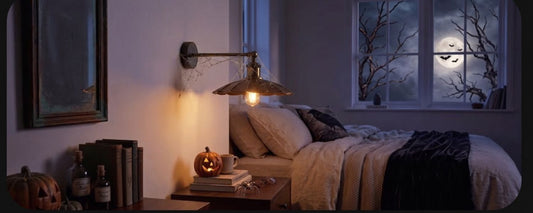
The bedroom is where you wind down, so your lighting should actively support that. 2700K emits a soft amber-toned glow that mimics sunset light — the natural signal for your body to start producing melatonin. Cool or bright lights in the bedroom (4000K+) are proven to suppress melatonin and disrupt sleep quality. Stick firmly to warm white here.
Pro Tip: Pair a 2700K bulb with a dimmer switch for full control — bright for getting dressed, dimmed low for reading in bed.
Shop Bedroom Wall Lights →
Living Room
✦ 2700K – 3000K
Living rooms serve many purposes: relaxing, entertaining, watching TV, or reading. 2700K creates an inviting, cozy atmosphere perfect for evenings and hosting guests. If your living room also doubles as a reading or work area, step up to 3000K for a touch more clarity without losing warmth. Use pendant lights or wall sconces at 2700K to layer ambient light beautifully.
Pro Tip: Layer lighting in the living room — a 2700K pendant overhead combined with 2700K wall sconces creates depth, warmth, and an unmistakably designed feel.
Shop Living Room Lighting →
Kitchen
✦ 3000K – 4000K
Kitchens need two types of light: ambient (overhead glow for the whole room) and task (bright light directly over counters and cooktops). For ambient, 3000K gives a warm but clear light. For task lighting — especially under-cabinet strips or kitchen island pendants — bump up to 4000K so you can accurately see food colors and work safely.
Pro Tip: Use 3000K for your main ceiling fixture and 4000K for island pendants. The warmth of 3000K overhead prevents the kitchen from feeling like a commercial space.
Shop Kitchen Island Pendant Lights →
Bathroom
✦ 3000K – 4000K
The bathroom is another dual-purpose space: relaxing baths call for warm light; getting ready in the morning calls for bright, accurate light. Around the vanity mirror, 3500K–4000K is ideal — it illuminates skin tones accurately for grooming, makeup, and shaving without the harshness of pure cool light. For bath and shower areas, 3000K adds a spa-like warmth.
Pro Tip: Avoid 5000K or higher in bathrooms — it can make skin look ashen and the room feel clinical rather than refreshing.
Home Office
✦ 4000K Cool White
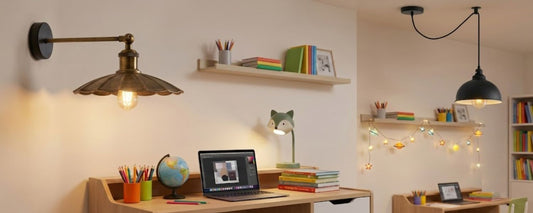
Focus and alertness are the priorities in a home office. Research consistently shows that cooler, brighter light (4000K–5000K) increases concentration and reduces fatigue during mentally demanding tasks. 4000K is the sweet spot — productive without being aggressive. It's close enough to natural daylight to keep you alert through long work sessions.
Pro Tip: If you work late evenings, consider a tunable bulb — 4000K during the day, dropping to 3000K after 7pm to avoid disrupting your sleep cycle.
Dining Room
✦ 2700K – 3000K
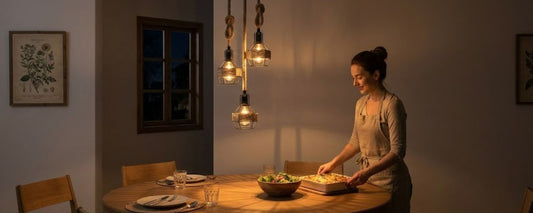
Dining rooms are social spaces — warm light makes food look more appetizing and creates an intimate, inviting atmosphere for meals and conversation. Restaurants have known this for decades: warm light slows diners down, makes food look better, and creates a more enjoyable experience. 2700K over the dining table is ideal.
Pro Tip: Always add a dimmer to your dining room pendant. Full brightness for family homework; dimmed to 30% for a dinner party.
Shop Dining Room Lighting →
Hallways & Entryways
✦ 3000K Soft White
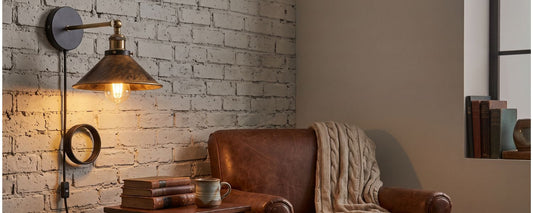
Hallways are transitional spaces — they need to be bright enough for safe navigation but warm enough not to jar you when you step in from the living room. 3000K strikes this balance perfectly. For entryways, 3000K wall sconces on either side of a door create a welcoming, warm arrival.
Pro Tip: Use wall sconces in hallways rather than ceiling lights — they create a warmer, more elegant corridor feel.
Garage & Workshop
✦ 5000K – 6500K Daylight
This is the one room in the house where cooler is definitively better. Garages, workshops, and utility spaces benefit from the brightest, most accurate light possible — 5000K to 6500K. This maximizes visibility for detailed tasks, closely mimics natural daylight, and reduces errors when working with tools, reading small print, or matching paint colors.
Quick Comparison: All Color Temperatures at a Glance
Use this table as your go-to reference when shopping for any room in your home.
| Temperature | Type | Light Appearance | Best Rooms | Mood / Effect |
|---|---|---|---|---|
| 2700K | Warm White | Golden amber glow | Bedroom, Living Room, Dining Room | Cozy, relaxing, intimate |
| 3000K | Soft White | Warm, slightly brighter | Kitchen, Bathroom, Hallway | Inviting, clean, comfortable |
| 3500K | Neutral | Balanced warm-cool | Retail, Restaurant, Multi-use | Neutral, versatile, flattering |
| 4000K | Cool White | Crisp white light | Home Office, Kitchen Task, Bathroom Vanity | Alert, focused, clinical |
| 5000K | Daylight | Bright blue-white | Garage, Workshop, Outdoor Security | Maximum visibility, stimulating |
| 6500K | Cold White | Cool blue daylight | Utility, Commercial, Outdoor | Stark, high-visibility, alert |
Warm vs Cool LED Bulbs: The Key Differences
🟠 Warm White LED Bulbs (2700K–3000K)
Warm white LEDs produce a light in the golden-amber range that closely resembles traditional incandescent bulbs. This is the most popular choice for American homes and for good reason — it's flattering, comfortable, and universally inviting.
Best for: Bedrooms, living rooms, dining rooms, hallways, cozy cafes, and anywhere relaxation is the goal.
What it does to a room: Makes walls look warmer and richer, flatters skin tones beautifully, reduces eye strain in the evening, and creates a "come in and relax" feeling that cool light simply can't replicate.
The science: Blue-toned light suppresses melatonin (the sleep hormone). Warm light (2700K) contains minimal blue wavelengths, making it the scientifically preferred choice for any room where you sleep or unwind.
⚡ Avoid This Common Mistake
Many people buy "daylight" (5000K–6500K) bulbs thinking brighter always means better. In bedrooms and living rooms, this is a significant error — you'll feel restless, the room will look sterile, and your evenings will feel harsh. Always match temperature to purpose.
🔵 Cool White LED Bulbs (4000K–6500K)
Cool white LEDs emit a crisp, blue-tinted white light that closely mimics natural daylight. They are genuinely excellent — but only in the right rooms.
Best for: Home offices, kitchens (task areas), workshops, garages, bathroom vanities, retail spaces, and anywhere precision and focus matter.
What it does to a room: Makes whites look brilliant, improves contrast and detail visibility, increases alertness and cognitive performance, and feels clean and modern.
The science: Cool light stimulates the production of cortisol (alertness hormone) and suppresses melatonin. Excellent for productivity. Terrible for winding down.
Ledsone carries LED bulbs across all color temperatures — browse to find the perfect match for every room in your home.
How to Choose the Right LED Bulb Color Temperature
Follow this simple decision process when choosing bulbs for any room:
Step 1: What Is the Room's Primary Purpose?
Ask yourself: Is this room for relaxing, focusing, or working? Relaxation rooms (bedroom, living room, dining room) → warm. Focus/work rooms (office, kitchen counters) → cool. Transition spaces (hallway, bathroom) → mid-range.
Step 2: What Time of Day Is It Mainly Used?
Rooms used mostly in the evening (bedroom, living room) benefit strongly from warmer temperatures to protect your sleep cycle. Rooms used mainly in the morning or daytime (office, kitchen) can handle cooler temperatures.
Step 3: What Fixtures Are You Using?
The fixture itself affects how the light is perceived. A warm bulb inside a metal-shaded industrial pendant light will feel even warmer and more atmospheric. A cool bulb in an open ceiling fixture spreads widely and feels very bright. Consider fixture type and bulb temperature together.
Step 4: Can You Install a Dimmer?
Dimmers dramatically extend the versatility of any bulb. A 3000K bulb dimmed to 40% reads as warm and intimate as 2700K at full brightness. If you can install a dimmer (or use a dimmable LED bulb), you gain significant flexibility to dial in the exact mood you want.
🏠 Ledsone's Recommended Whole-Home Setup
Bedroom: 2700K | Living Room: 2700K (dimmable) | Dining Room: 2700K (dimmable) | Kitchen ambient: 3000K | Kitchen task/island: 4000K | Bathroom: 3000K–3500K | Home Office: 4000K | Garage: 5000K+
What Ledsone Customers Are Saying
Real customers across the US who found the perfect color temperature for their homes.
4.9
★★★★★
Sarah M.
Portland, OR
★★★★★
"This guide finally explained why I felt wired every night! I was using 5000K bulbs in my bedroom — switched to 2700K warm bulbs from Ledsone and my sleep has improved dramatically. The warm glow is exactly what I needed."
✓ Verified Buyer
James R.
Austin, TX
★★★★★
"Used this guide to redo our entire house. Living room 2700K, kitchen 4000K, home office 4000K. The difference is night and day — every single room feels exactly right for what we do in it. Ordered 14 bulbs from Ledsone, all arrived quickly."
✓ Verified Buyer
Priya K.
Chicago, IL
★★★★★
"I ordered the industrial pendant lights for my kitchen island with 3000K bulbs and they're absolutely stunning. The warm-but-bright light is perfect for cooking and the look fits my farmhouse kitchen perfectly. Will definitely be back."
✓ Verified Buyer
Mike D.
Denver, CO
★★★★★
"Bought 4000K bulbs for my home office after reading this. My productivity noticeably improved — I'm not constantly straining my eyes or feeling sluggish by 3pm. Fast shipping from Ledsone too. Fantastic product."
✓ Verified Buyer
Rachel T.
Nashville, TN
★★★★☆
"The wall sconces with 2700K bulbs in my hallway completely transformed the feel of our entryway — it went from cold and uninviting to warm and elegant. The guide helped me understand exactly what to look for. Deducting one star only because I wish they had even more styles!"
✓ Verified Buyer
Carlos V.
Miami, FL
★★★★★
"Great quality LED bulbs at a very fair price. I got 2700K for the living room and dining room combination space — it looks like something from a magazine now. My guests always comment on how warm and cozy the space feels."
✓ Verified Buyer
Frequently Asked Questions
Everything you need to know about LED color temperature, answered.
Color temperature is measured in Kelvin (K) and describes how warm or cool the light appears to your eye. Lower values (2700K–3000K) produce warm, yellowish light similar to incandescent bulbs and candlelight. Higher values (4000K–6500K) produce cool, bluish-white light similar to daylight. The Kelvin number doesn't describe physical heat — LED bulbs barely get warm — it describes the perceived hue.
2700K produces a warm, amber-toned light ideal for relaxation spaces like bedrooms and living rooms — it creates a cozy, inviting glow. 4000K is a neutral to cool white — crisp, bright, and energizing — perfect for kitchens, offices, and bathrooms where clarity and focus matter most. They serve very different purposes and are both excellent in the right context.
2700K is the ideal color temperature for bedrooms. Its warm, soft glow reduces eye strain and signals the body to wind down, supporting better sleep. Cool whites (4000K+) in bedrooms actively interfere with melatonin production — the hormone that makes you sleepy. Research strongly recommends avoiding blue-toned light in the hours before bed, and 2700K warm white is the safest, most restful choice.
3000K–4000K works best in kitchens. 3000K gives a clean, slightly warm glow ideal for overall ambient kitchen lighting. 4000K is the preferred choice for task lighting over counters and kitchen islands — it renders food colors accurately and provides maximum clarity for safe food preparation. Using 3000K overhead and 4000K for task areas is the professional interior designer's approach.
Warm white (2700K–3000K) is generally better for living rooms because it creates a cozy, inviting atmosphere that encourages relaxation and social connection. If your living room also serves as a home office or dedicated reading space, 3000K gives slightly more brightness while still remaining warm and comfortable. Avoid 4000K or higher in primary living spaces — they can make the room feel clinical.
Mixing very different color temperatures in the same open space (e.g., 2700K and 5000K) creates visual inconsistency that most people find unsettling, even if they can't identify why. However, a strategic mix in a multi-zone room can work: using 3000K ambient light for a kitchen and 4000K for a dedicated island task area is a common professional technique. Keep variations within 1000K of each other in open spaces for a cohesive look.
3000K–4000K is recommended for bathrooms. 3000K creates a warm, spa-like glow for the overall room that's flattering and relaxing. Around vanity mirrors where you groom and apply makeup, 3500K–4000K is preferred because it closely mimics natural light, rendering skin tones and colors accurately. Avoid 5000K or above in bathrooms — it creates a harsh, unflattering clinical feel.
No — color temperature has no significant effect on energy consumption. A 2700K warm white bulb and a 4000K cool white bulb of the same wattage use exactly the same amount of electricity. Energy consumption is determined by wattage, not Kelvin. All LED bulbs, regardless of color temperature, use significantly less energy than incandescent equivalents — typically 75–90% less.
Etiquetas:
Anterior
How Many Lumens Do I Need? A Room-by-Room USA Lighting Guide
Próximo
Summer House Glow-Up: Lighting Tips - 2026
Artículos relacionados
How to Match a Lamp Shade to Your Lamp Base
Aug 27 2026
DIY Guide: Wiring a New Light Fixture Safely
Aug 19 2026