

Living Room Lighting




3 Light Pendant Kit Multi Outlet 2M Cluster Light ~1055
Regular price
$34.99 USD


-12%


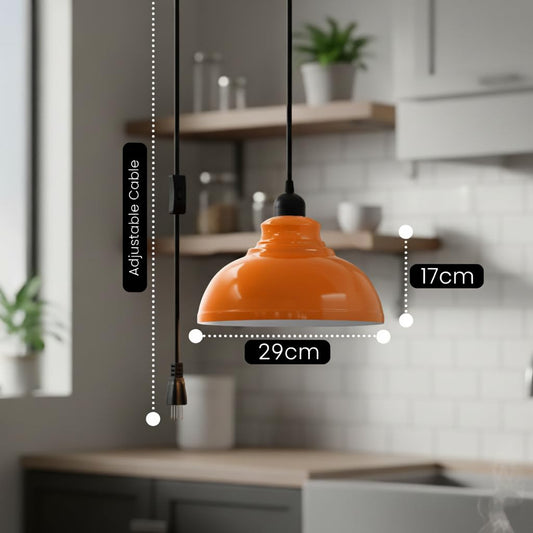
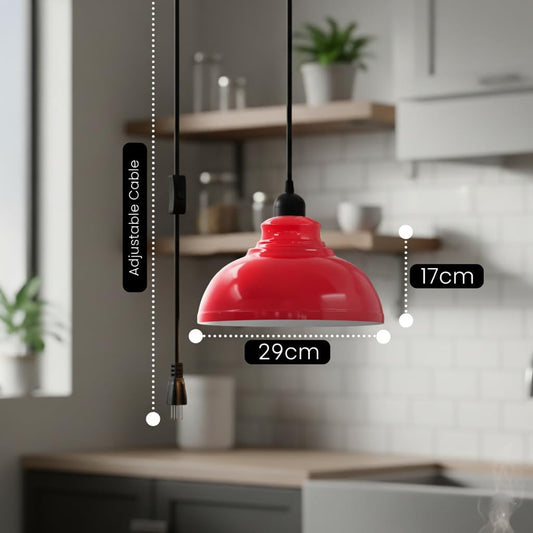
78.74" Adjustable Rise And Fall Pulley Swing Pendant Light ~1160
Regular price
$35.28 USD
Sale price
$39.99 USD


-7%


-11%

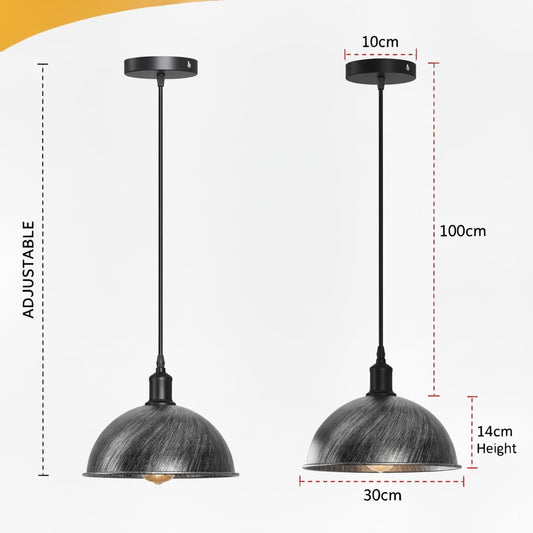
Ceiling Pendant Light Fixture ~1060
Regular price
$34.99 USD

-10%
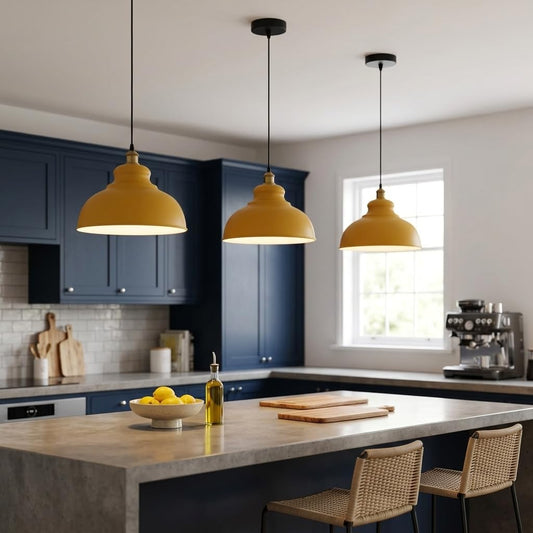
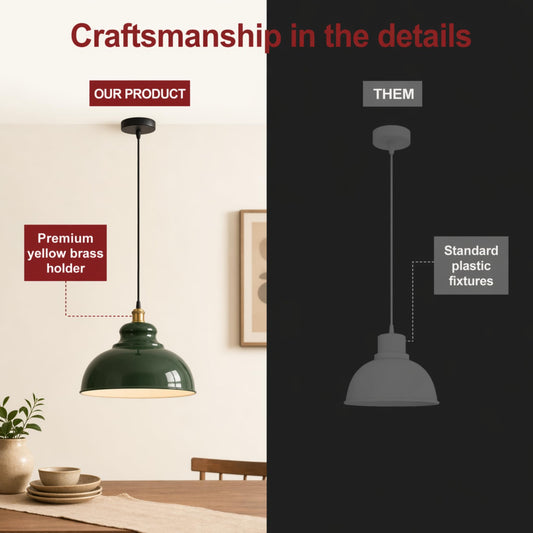


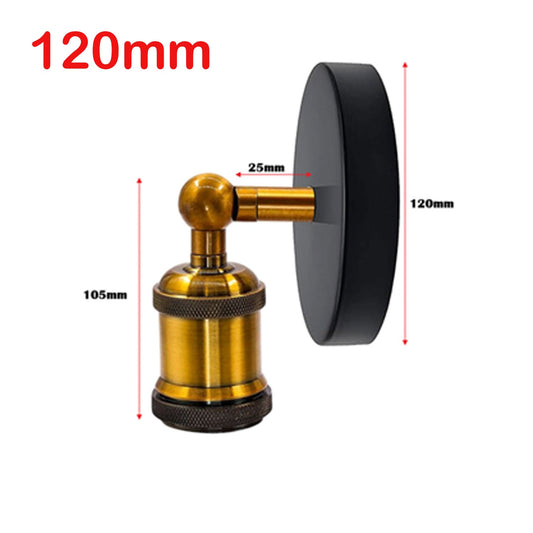

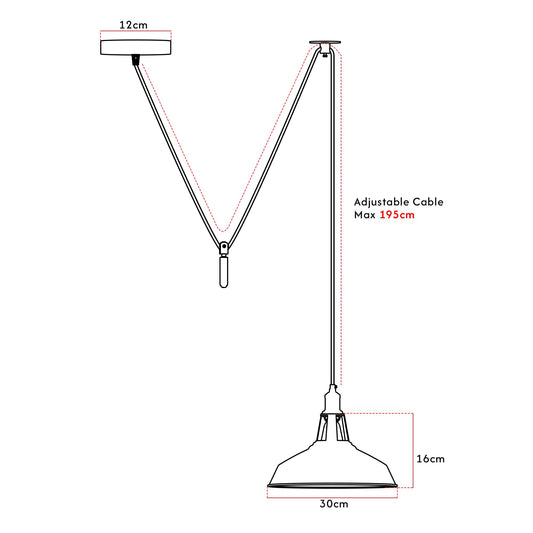
Ceiling Light Fixture With Pull System ~1005
Regular price
$35.99 USD

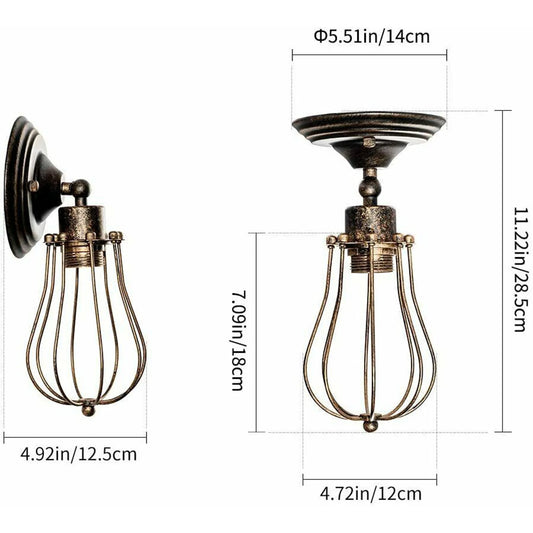
Wire Cage Wall Sconce - Rustic Metal Farmhouse Light ~1078
Regular price
$34.49 USD
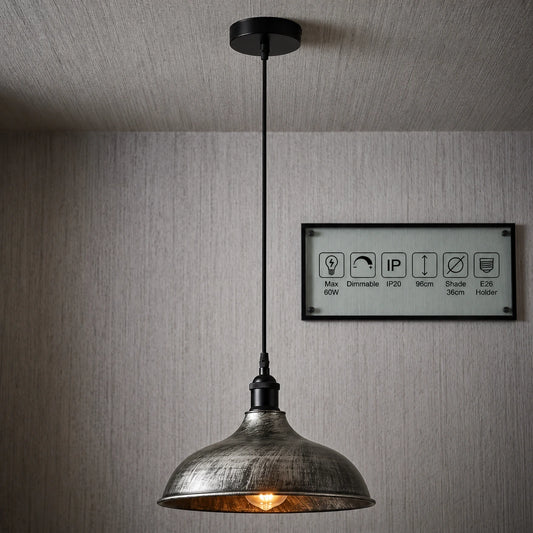
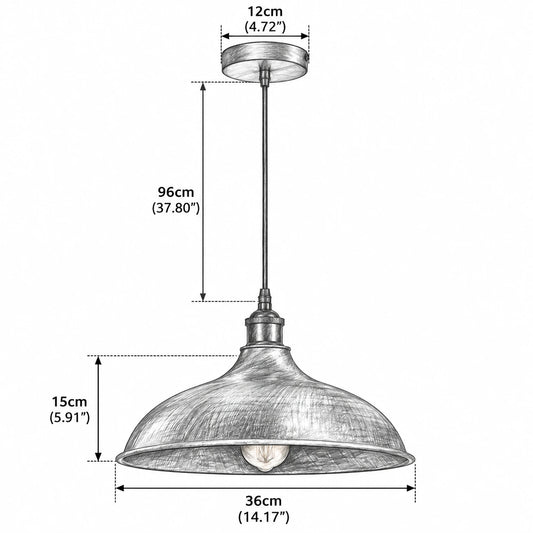
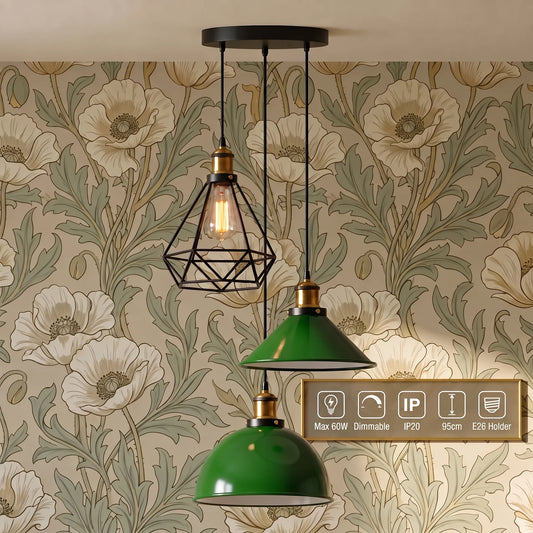
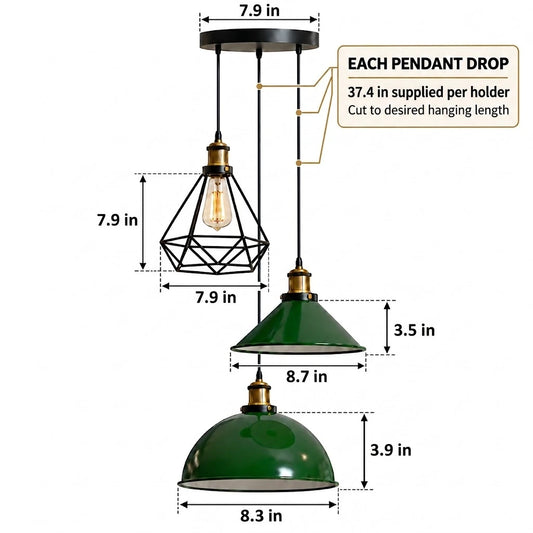
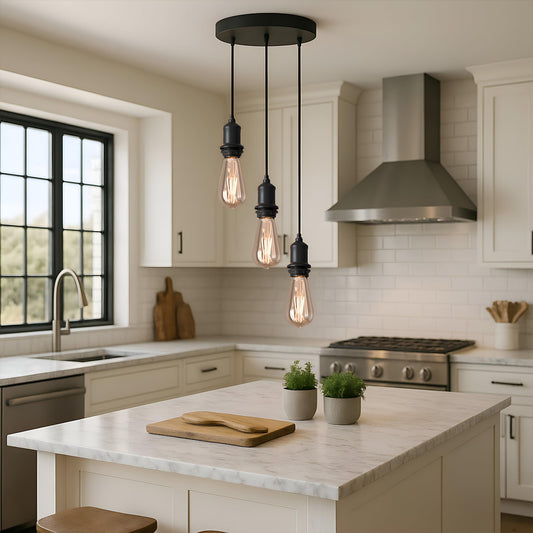
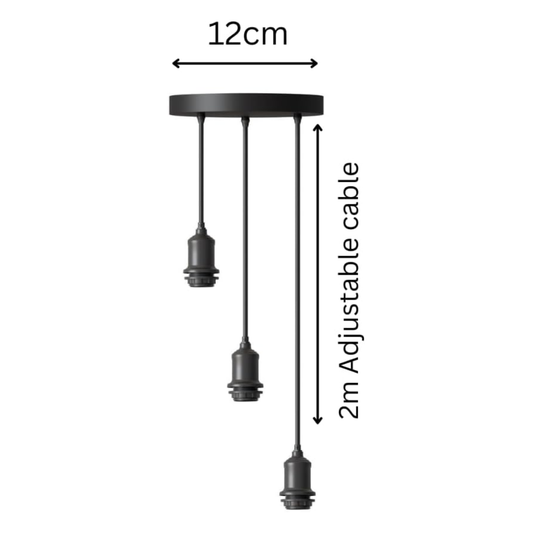
Adjustable Hanging Light Fixtures Kit
Regular price
$37.00 USD
Farmhouse Meets Industrial: Lighting Up Your Living Room

Key Takeaways
Farmhouse and industrial lighting work best when warmth, structure and practical illumination are planned together.
- Layer ceiling, wall, floor and table lighting rather than relying on one fitting.
- Repeat a small group of metal, timber and glass finishes throughout the room.
- Use fixture scale to suit both the ceiling height and the furniture below it.
- Choose warm bulbs, appropriate brightness and dimmers for a comfortable evening atmosphere.
- Treat cables, switches, glare control and sustainable purchasing as part of the design.
Define your farmhouse-industrial lighting style
Farmhouse & Industrial Living Room Lighting Ideas are most successful when the two influences are allowed to complement one another. Farmhouse style brings softness, texture and a sense of ease, while industrial details add clear lines and a little visual weight. The aim is not to fill the room with old-looking objects, but to create a considered mix that feels lived in.
Balance rustic warmth with industrial structure
Start with the feeling you want the room to have at night. Timber, woven textures and warm glass can stop black metal or exposed fixings from feeling severe, while a simple steel frame gives rustic furnishings a sharper outline. Keep the overall arrangement calm, with one or two stronger pieces doing most of the visual work.
Choose a cohesive metal and wood palette
A limited palette makes different fixtures feel related. Black steel works well with pale oak, reclaimed timber or painted wood; aged brass can add a softer note, especially beside cream walls. Repeat each finish at least twice where possible, perhaps in a pendant and a small lamp, so the choices look intentional rather than collected at random.
For broader inspiration, browse modern farmhouse fixtures when you are deciding whether your room needs cleaner lines or more traditional details. The useful test is simple: can the same metal and timber tones be spotted from more than one seat in the room?
Mix aged finishes without making the room feel cluttered
Aged brass, galvanised metal and distressed black can sit together, but they need breathing space. Let one finish lead, use a second as support, and reserve the third for a small accent. Matching every fitting exactly can feel flat; mixing every possible finish can make a relaxed room look busy.
Use scale to connect oversized and delicate fixtures
A large pendant can anchor a generous room, but it should be balanced by smaller points of light nearby. Consider the sofa, coffee table and fireplace as a visual group rather than judging the ceiling fitting in isolation. A delicate wall light or narrow floor lamp can provide the contrast that makes a heavier chandelier feel deliberate.
Build a layered living room lighting plan
A comfortable living room needs more than general brightness. It should support conversation, reading, moving around the space and settling down to watch a film without making every corner equally bright. Plan the layers before buying fittings, then check that each light has a clear job.
Combine ambient, task and accent lighting
Ambient light provides the room’s foundation, task light helps with activities such as reading, and accent light draws attention to selected features. These layers can overlap, but they should not all come from the same direction. A pendant may provide the broad wash, a floor lamp can sit beside a chair, and a small directional fitting can pick out a shelf or artwork.
Start with the room’s natural light and layout
Notice where daylight enters, where shadows gather and how people actually use the room. A dark corner behind a sofa may need a floor lamp, while a low window may make a pendant feel visually crowded. Mark the main seating positions and walking routes before deciding where wiring or freestanding fixtures belong.
Create flexible lighting zones for different activities
Separate controls make the room easier to live with. Rather than switching everything on together, divide the plan into useful groups: general ceiling light, seating-area light and feature light. A few well-placed zones usually feel more natural than a large number of tiny fittings.
A practical sequence for testing the plan is:
- Switch on only the ambient layer and check for dull or shadowed areas.
- Add task lighting beside the places where people read, talk or work.
- Turn on accent fittings and remove any that compete with the room’s focal point.
- Dim each group at night to make sure the transitions feel comfortable.
Avoid relying on a single central ceiling light
One central fitting often leaves the room’s edges dim while putting too much brightness above the middle of the furniture. A pendant or chandelier can still be the visual centre, but pair it with lower sources at different heights. That variation creates depth and makes the room feel softer after sunset.
Choose the right farmhouse and industrial fixtures
The fixture should suit both the room and the way it is used. Metal pendants bring height and presence, sconces add useful wall-level light, and lamps introduce flexibility without electrical work. Look at the fitting when switched off as well as on; its shape, cable and shade will remain part of the room during the day.
Make a statement with a metal pendant or chandelier
A ribbed, dome-shaped or cage-style pendant can give a farmhouse living room a strong industrial note. Choose the diameter in relation to the room and the furniture beneath it, rather than buying the largest fitting available. For a generous ceiling, a linear chandelier or grouped pendants can spread the visual weight more evenly.
A selection of farmhouse and industrial ceiling lights can help compare pendants, chandeliers and flush mounts before you settle on the right height and silhouette. Check the fitting’s proportions against the room from several angles.
Add practical character with wall sconces
Wall sconces are useful where a ceiling fitting cannot reach comfortably. Place them beside a fireplace, on either side of shelving or near a reading chair, taking care not to crowd artwork. Simple arms, shallow shades and dark backplates tend to suit the industrial side of the style without losing farmhouse restraint.
Match lighting to key living room features
Good lighting follows the room’s architecture instead of competing with it. A fireplace, brick wall, shelving or media unit can each benefit from a different treatment. Think about the surface being lit, the viewing distance and the shadows created by objects in front of it.

Highlight a fireplace or exposed brick wall
A fireplace usually deserves a gentle wash rather than a harsh beam. Wall lights on either side can frame it, while a nearby floor lamp adds a lower glow. For exposed brick, angle the light across the surface to reveal texture, but avoid positioning the source so close that every uneven edge becomes an exaggerated shadow.
Position lights around sofas and reading areas
A reading lamp belongs close enough to illuminate the page without shining across another person’s face. Beside a sofa, a shade at shoulder height can create a pleasant pool of light; behind it, a taller fitting may spread light more broadly. Leave room for side tables, drinks and cables when checking the final position.


Illuminate media units without creating screen glare
Light the wall around a television rather than aiming a bright source at the screen. A dimmable lamp placed to one side can provide background contrast, while concealed or carefully shielded light may gently lift a dark media unit. Sit in the usual viewing position and test every fitting at the screen’s angle before committing.
Select materials, finishes and shades carefully
Materials change the way a fitting distributes light and how it ages visually. A dark cage creates patterned shadows, a linen shade softens the beam, and clear glass leaves the bulb more exposed. Choose based on both the look and the amount of visual activity you want in the room.
Compare black steel, aged brass and galvanised metal
Black steel is graphic and dependable, making it useful when the room already contains dark window frames or furniture. Aged brass adds warmth and works well against muted paint. Galvanised metal has a paler, workshop-like quality that can feel relaxed beside painted timber and natural fabrics.
Use seeded or ribbed glass for a vintage farmhouse feel
Seeded glass gives a gently irregular appearance, while ribbed glass creates vertical texture and a more defined shimmer. Both are useful when you want character without adding another strong colour. Keep the surrounding finish quiet so the glass remains a detail rather than one more competing pattern.
Know when to choose open cages versus fabric shades
Open cages suit rooms that can carry visible bulbs and stronger shadow patterns. Fabric shades are better near seating, where a softer glow is more comfortable and exposed light may feel distracting. If you choose an open cage, use a suitable decorative LED lamp and check that the bulb is not directly in the sightline.
Get brightness, colour temperature and controls right
A fitting’s appearance cannot compensate for uncomfortable light. Brightness, colour temperature and control should be considered together, particularly in a room that changes from bright daytime use to quiet evening use. The right result is warm and usable, not simply dim.
Choose warm white bulbs for a welcoming atmosphere
Warm white light generally suits timber, cream paint, leather and woven fabrics. It makes a living room feel settled without turning every surface orange. Compare bulbs in the actual fitting, because glass, shade material and wall colour all affect the final impression.
 10% OFF
 10% OFF
 10% OFF
 10% OFF
Select lumen output for each lighting layer
Think in terms of the amount of light needed for the job rather than choosing every bulb by wattage alone. Ambient lighting needs broad coverage, task lighting needs useful concentration, and accent lighting can be comparatively restrained. The table below offers a starting framework; room size, shade opacity and wall colour will change the result.
| Lighting layer | Main purpose | Useful starting approach | What to check |
|---|---|---|---|
| Ambient | General movement and conversation | Moderate, widely spread output | Dark corners and ceiling glare |
| Task | Reading or close activities | Brighter, locally directed output | Page shadows and eye comfort |
| Accent | Artwork, brick or shelving | Lower, focused output | Reflection and visual competition |
| Decorative | Mood and texture | Gentle, low-level output | Whether the bulb feels exposed |
Plan installation and styling details
The last stage is practical, but it can determine whether the finished room feels polished. Measure the ceiling, furniture and cable routes before ordering. Also check the fitting requirements, bulb type and electrical work rather than assuming that a visually simple light will be simple to install.


Check ceiling height and fixture clearance
A pendant should leave generous head clearance above walkways and should relate to the furniture below it. In a low room, choose a flush or semi-flush fitting, or keep a pendant visually compact. Open doors, tall people and sightlines through the room all matter when setting the final drop.
Position wall lights at a comfortable eye level
Wall lights should illuminate their intended area without shining directly into seated eyes. Mark the proposed height with masking tape and view it from the sofa before drilling. For a pair of sconces, measure from the room’s main furniture and architectural centreline rather than relying only on the wall’s dimensions.


Shop sustainably and work within your budget
Spend first on the fittings that affect the room most, then add smaller lamps as the layout proves itself. Repairable parts, replaceable shades and efficient LED bulbs can help extend the life of a scheme. Ledsone offers over 2,000 styles across vintage and modern LED options, giving shoppers a broad range to compare when balancing appearance, availability and price.
Conclusion
A farmhouse-industrial living room feels most convincing when every light has a purpose: the ceiling fitting establishes structure, lower lamps bring warmth, and accents reveal the room’s best details. Build the plan around your furniture and natural light, choose finishes that repeat quietly, and use dimming to keep the atmosphere flexible. With that groundwork in place, the style becomes welcoming rather than themed.
Frequently Asked Questions
What is farmhouse-industrial living room lighting?+
It is a lighting approach that combines farmhouse materials and warmth with industrial shapes, exposed details and practical metal finishes. The balance can be adjusted towards either style depending on the furniture, architecture and amount of texture in the room.
What colour temperature works best for a farmhouse living room?+
Warm white bulbs are usually a comfortable choice because they complement timber, neutral paint and soft furnishings. Test the bulb in its shade or glass fitting, since the material can noticeably change the colour and intensity.
Should farmhouse-industrial lighting always use black metal?+
No. Black metal is a popular anchor, but aged brass, galvanised metal and softer painted finishes can also work well. Repeating a limited palette is more important than choosing one mandatory finish.
How many lighting layers does a living room need?+
Most living rooms benefit from ambient, task and accent lighting, with decorative lamps added where they improve the mood. The exact number depends on the room's size, daylight, furniture arrangement and activities.
Are pendant lights suitable for a low ceiling?+
They can be, provided the drop leaves enough clearance and does not interrupt sightlines. A compact pendant or semi-flush fitting may be more practical where the ceiling is low or the main route passes beneath it.
How can I stop exposed bulbs causing glare?+
Check the bulb from seated positions, then use a dimmer, lower-output lamp, frosted glass or a shade if necessary. Moving the fitting slightly or changing its direction can also keep the light out of direct eye level.
Can farmhouse and industrial lighting work in a small living room?+
Yes. Choose slimmer fixtures, keep the finish palette restrained and use wall or table lights to avoid filling the floor with large fittings. Layered light can make a small room feel more comfortable without requiring oversized pieces.
 Google Review
Sign up now & get 10% off
Be the first to get the latest news about trends, promotions, and much more!
Sorry! Products are not enough.
Recipient email can't be blank.
Send on must be within 90 days from now