Pendant Light vs. Flush Mount: Which One Does Your Room Actually Need?
Choosing the right ceiling light can feel like a puzzle, especially when you're trying to figure out the difference between a pendant light vs flush mount. Both are common options, but they do different jobs in a room. One hangs down, the other sits right up there. It’s not just about looks, either; it’s about how the light works with your space, your ceiling height, and the overall vibe you're going for. Let's break down what makes each one tick so you can pick the best fit for your home.
Key Takeaways
- Flush mount lights sit directly on the ceiling, offering maximum overhead clearance and a simple look, making them great for low ceilings and tight spaces like hallways or closets.
- Semi-flush mount lights hang a few inches down, adding more visual depth and a decorative touch without being as low-hanging as a pendant.
- Consider your ceiling height first; flush mounts are generally better for standard or low ceilings (around 8 feet) where headroom is a concern.
- Think about the light's role: flush mounts are functional and unobtrusive, while semi-flush mounts can act as a decorative element, especially in living or dining areas.
- You can mix and match flush and semi-flush fixtures throughout your home, using each where it best suits the room's needs for clearance, style, and light distribution.
Understanding The Core Differences: Pendant Light vs Flush Mount
When you're trying to figure out the best overhead light for a room, it often comes down to a few key choices. Two of the most common types you'll run into are the flush mount and the pendant light. While they both provide light, they do it in pretty different ways, and knowing those differences is half the battle. It's not just about how they look, but how they affect the space itself. Let's break down the main distinctions.
Ceiling Profile and Clearance Considerations
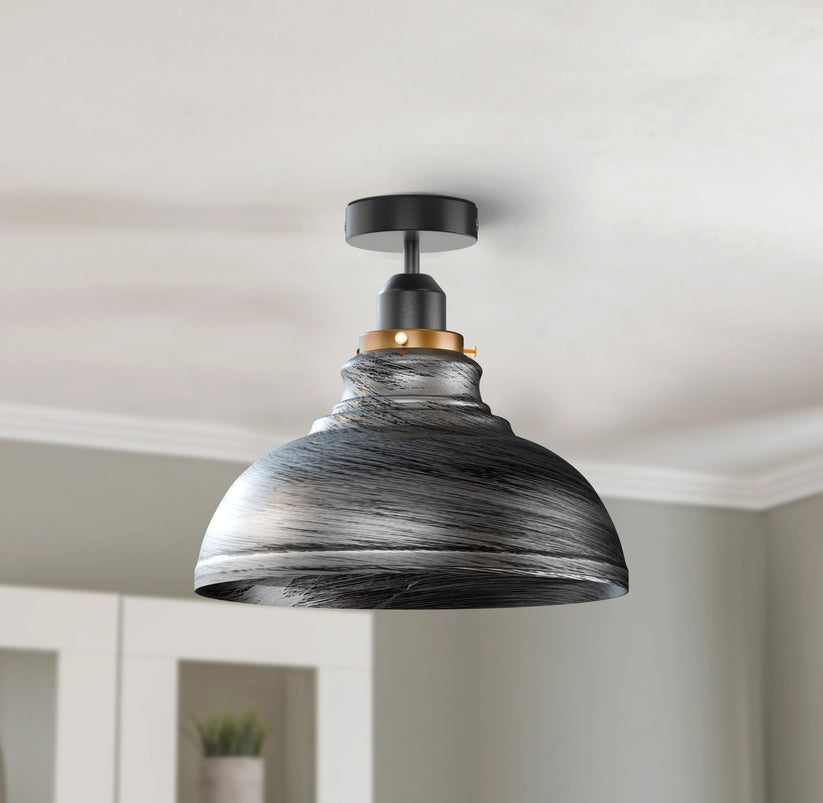
The most obvious difference between a flush mount and a pendant light is how they sit against your ceiling. A flush mount fixture attaches directly to the ceiling, leaving very little space between the light and the surface. This makes it a great choice for rooms where you need to maximize headroom, like in basements or rooms with lower ceilings. Think of it as a streamlined option that stays out of the way. On the other hand, a pendant light hangs down from the ceiling on a cord, chain, or rod. This drop means it takes up more vertical space. While this can be a design feature, it's something to consider carefully if your ceilings are on the lower side. A semi-flush mount, which is kind of a middle ground, hangs a few inches below the ceiling, offering a bit more decorative flair than a flush mount but without the significant drop of a pendant.
- Flush Mount: Sits directly against the ceiling, offering maximum clearance.
- Semi-Flush Mount: Hangs a few inches below the ceiling, providing a bit more visual interest.
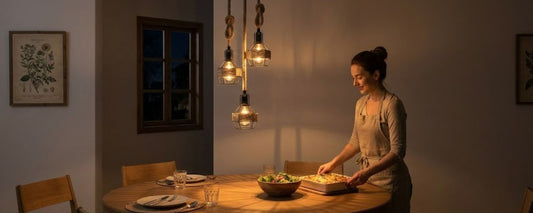
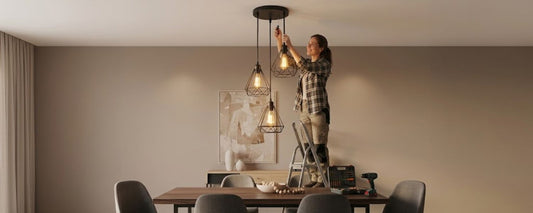
- Pendant Light: Hangs significantly lower, often on a cord or chain, making a statement.
The choice here often hinges on your ceiling height. If you're constantly worried about bumping your head or want a room to feel as open as possible, a flush mount is usually the way to go. If you have plenty of height to spare, a pendant can add a lot of personality.
Light Distribution and Room Ambiance
How a light fixture distributes light plays a big role in the mood of a room. Flush mount lights tend to direct most of their light downwards. This is efficient for general illumination, especially in functional spaces like kitchens or hallways. They provide a clean, even spread of light without much upward bounce. Semi-flush mounts, because of that small gap between the fixture and the ceiling, can cast some light upwards. This reflected light can create a softer, more diffused ambiance, making the room feel a bit cozier and more inviting. Pendant lights, depending on their design, can offer focused light or widespread illumination, but their hanging nature often means they are used to highlight specific areas or add a decorative element rather than just general room lighting. When comparing a hanging light vs flush mount, the difference in ambiance is quite noticeable.
Aesthetic Impact on Room Design
Beyond function, these fixtures have a significant impact on your room's style. A flush mount is often chosen for its subtlety. It's there to provide light without drawing too much attention, making it ideal for rooms where the decor is already busy or where you prefer a minimalist look. They blend in more easily. Semi-flush mounts, however, tend to have more presence. Their slight drop allows for more intricate designs, shades, and finishes, allowing them to act as a decorative element. They can add a touch of elegance or style without being as dominant as a pendant. Pendant lights are often the stars of the show, used to make a bold statement, add a pop of color, or define a specific zone within a larger space. For example, a pendant light over an island is a common choice, whereas a flush mount might be better suited for the general kitchen lighting. The decision between a flush mount vs pendant light for a kitchen, therefore, depends heavily on whether you want a functional, unobtrusive light or a more decorative focal point.
Where Each Fixture Shines: Ideal Placement Strategies
So, you've got the lowdown on the basic differences. Now, let's talk about where these lights actually work best. It's not just about looks; it's about making your space function better.
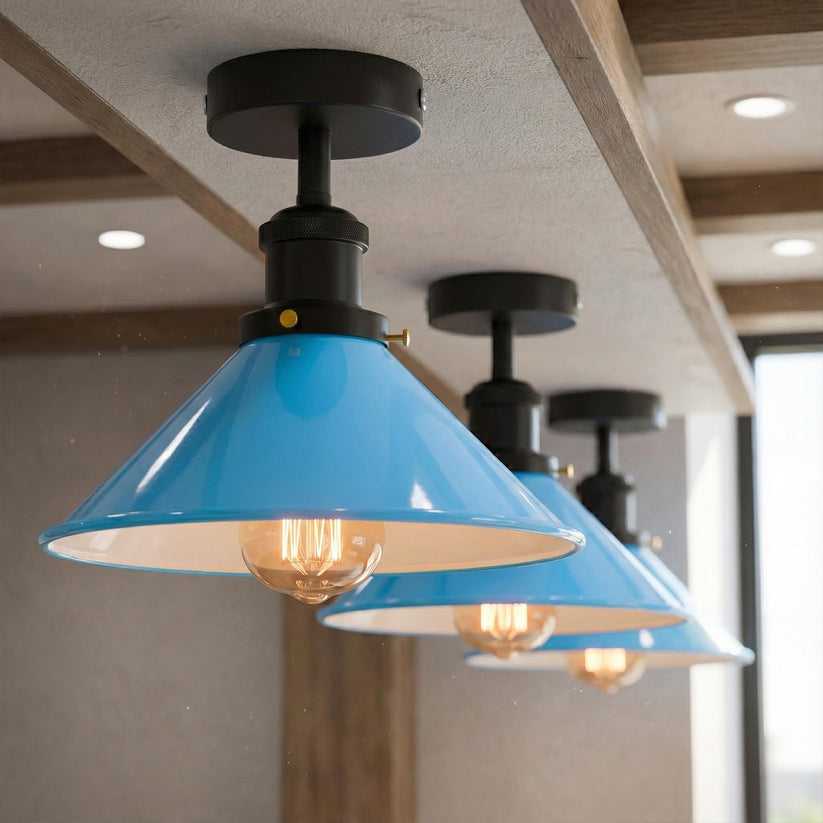
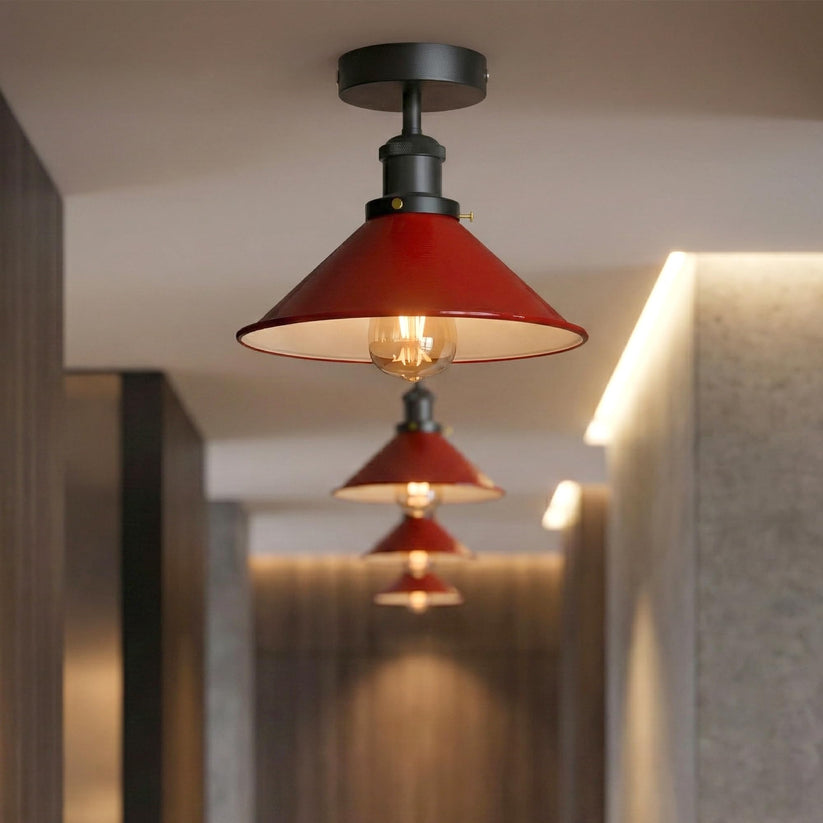
Flush Mounts for Compact and Functional Spaces
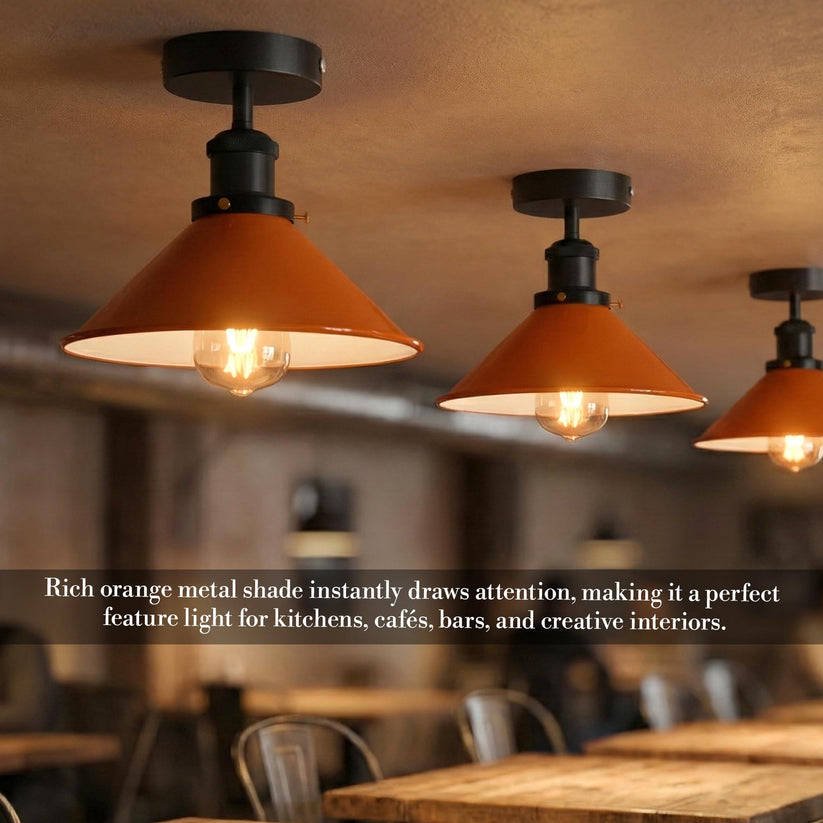
Flush mount fixtures are your go-to when space is tight or when you just need reliable, no-fuss lighting. Think about those areas where you don't want anything hanging down to bump your head or visually clutter the room. They're perfect for:
- Hallways and Entryways: These are often narrow spaces where you need clear passage. A flush mount provides general illumination without taking up precious vertical room. You want people to walk through without a second thought, and these lights help with that. For hallways, a good rule of thumb is to space them about 4 to 6 feet apart to avoid dark spots [5de0].
- Closets and Pantries: In these utility spaces, the primary goal is visibility. You need to see what you're looking for, and a flush mount does that efficiently without getting in the way.
- Bathrooms: Especially smaller bathrooms, where a hanging fixture could feel overwhelming. They offer good light for tasks like applying makeup or shaving without adding visual bulk.
- Small Bedrooms: If you have an 8-foot ceiling or lower, a flush mount can make the room feel more open and airy.
Flush mounts are the unsung heroes of small or busy spaces. They provide necessary light without demanding attention or sacrificing headroom. They're about practicality and making the most of what you have.
Semi-Flush Mounts for Enhanced Decor and Ambiance
Semi-flush mounts offer a bit more style and presence. Because they hang down a few inches from the ceiling, they have more shape and can contribute more to the room's overall look. They're great for:
- Living Rooms: Where you want a bit more decorative flair. The slight drop can add a touch of elegance and make the fixture feel more like a deliberate design choice.
- Dining Rooms: While a pendant might be common over a table, a semi-flush mount can be a good alternative if you want a more decorative ceiling light that still keeps a reasonable distance from the ceiling, especially if you have lower ceilings.
- Bedrooms (with adequate height): They can add a softer, more inviting glow than a stark flush mount, making the room feel cozier.
- Kitchens (over islands or sinks): If you have enough clearance, a semi-flush mount can provide focused light while also adding a decorative element to your kitchen design.
Balancing Style and Function in Entryways and Hallways
Entryways and hallways present a unique challenge. They're often the first impression guests have of your home, so you want them to look good, but they also need to be functional for traffic flow. This is where the choice really matters.
- Low Ceilings: If your entryway or hallway has standard 8-foot ceilings, a flush mount is usually the safer bet. It keeps the space feeling open and prevents anyone from hitting their head. You can still find stylish flush mounts that don't look basic.
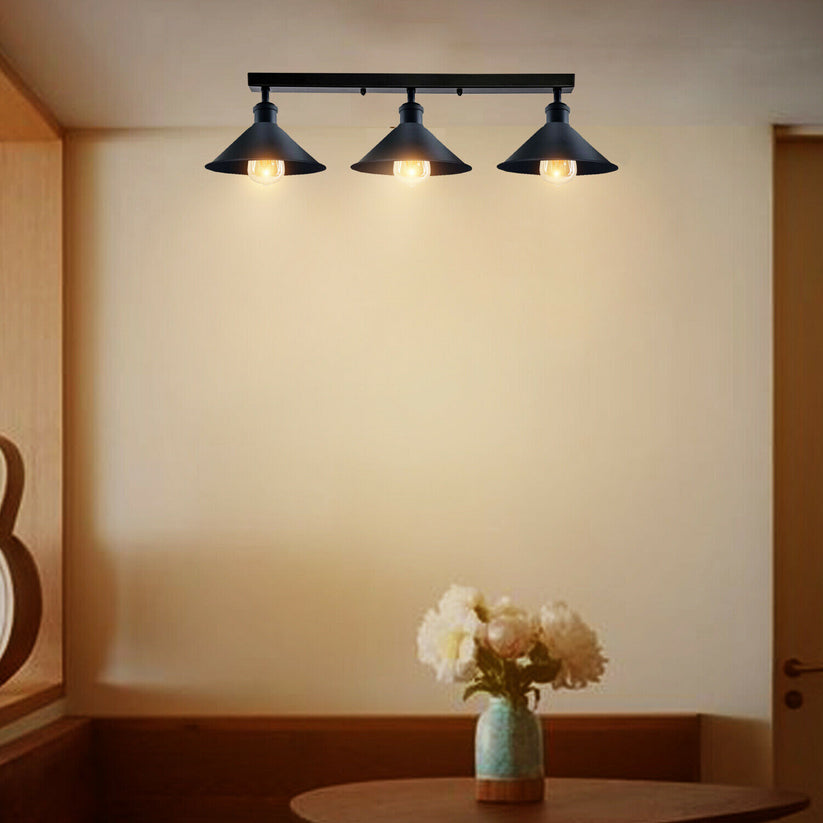
- Higher Ceilings: If you have more headroom, a semi-flush mount can add a touch of personality and style. It can make a hallway feel less like a tunnel and more like a designed space. Just be mindful of how far down it hangs – you don't want it to become an obstacle.
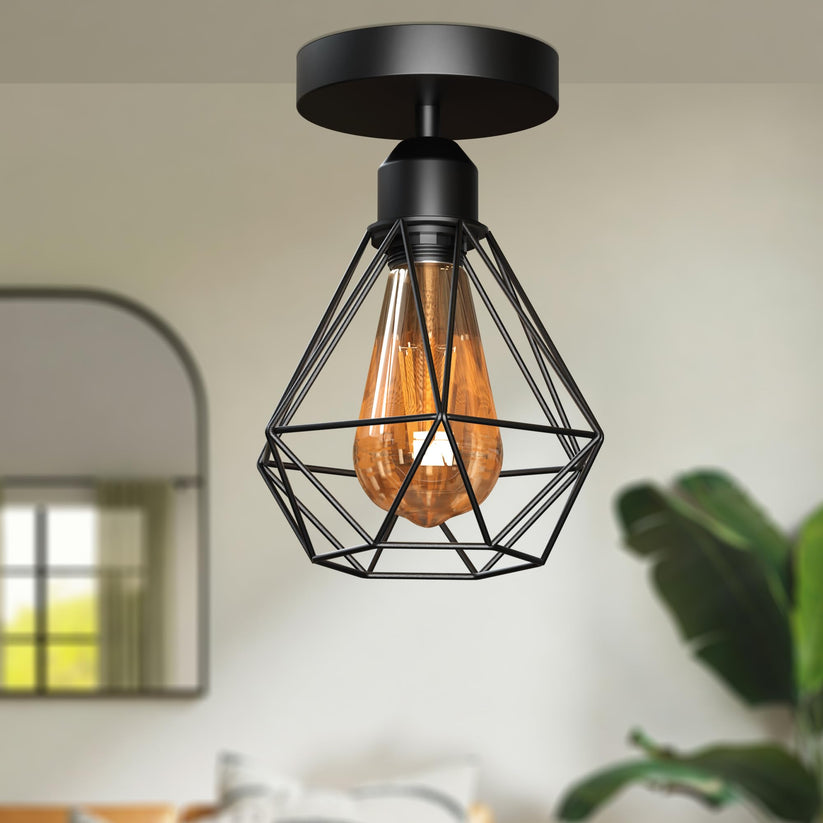
- The 'Boob Light' Factor: Sometimes, flush mounts can look a bit dated or generic. The key is to choose a design that has some visual interest, even if it's close to the ceiling. Semi-flush mounts often have more inherent decorative qualities, but a well-chosen flush mount can also be a statement piece.
Key Questions To Guide Your Pendant Light vs Flush Mount Decision
Deciding between a pendant light and a flush mount can feel a bit overwhelming, but it doesn't have to be. By asking yourself a few straightforward questions, you can zero in on the best choice for your space. It's all about matching the fixture to your room's needs and your personal style.
Assessing Your Ceiling Height and Clearance Needs
This is often the most critical factor. If you've got standard 8-foot ceilings, or even lower, a flush mount is usually your best bet. These fixtures sit right up against the ceiling, maximizing vertical space and preventing any awkward head-bumping incidents. Think about hallways, small bedrooms, or bathrooms where every inch counts. A flush mount keeps things feeling open and airy.
For low ceilings (8 feet or less): Flush mounts are generally preferred.
For standard to high ceilings: You have more flexibility, and semi-flush or even pendant lights become viable options.
Consider traffic flow: In areas like hallways or entryways, a lower profile is safer.
If your ceilings are higher, you have more freedom. A semi-flush mount might offer a bit more decorative flair without taking up too much room, while pendant lights can hang lower to define specific areas, like over a kitchen island or as a dining room pendant light.
Determining the Fixture's Role in Your Decor
Is the light fixture meant to be a subtle, functional element, or is it a statement piece? Flush mounts tend to blend in, providing general illumination without drawing too much attention. They're great when you have other decorative elements in the room you want to highlight. On the other hand, semi-flush mounts have a bit more presence. They hang down a few inches, giving them more shape and visual interest. This makes them a good choice when you want the light fixture itself to contribute to the room's style, perhaps adding a touch of elegance without the significant drop of a pendant.
Defining Your Desired Lighting Effect
Think about how you want the light to fill the room. Flush mounts direct most of their light downwards, creating a consistent, even glow. This is perfect for general lighting in areas like closets or utility rooms. Semi-flush mounts, because of the gap between the fixture and the ceiling, allow some light to bounce upwards. This can create a softer, more diffused ambiance and make the ceiling itself appear brighter, adding a layer of depth to the room's lighting. This upward glow can make a space feel more inviting.
When you're looking at kitchen island hanging lights, for instance, you're usually aiming for a specific task and accent lighting. Pendant lights are fantastic for this because you can control their height and position precisely. But if you need general light in a smaller kitchen area, a flush mount might be more practical. The question really boils down to whether you need a workhorse light or a decorative centerpiece.
Here's a quick breakdown:
- Flush Mount: Best for uniform, downward light and maximizing ceiling height. Ideal for general illumination in smaller or functional spaces.
- Semi-Flush Mount: Offers a balance of style and function, with a bit more visual presence and some upward light diffusion. Good for adding character without a long drop.
- Pendant Lights: Excellent for task lighting, accenting specific areas (like pendant lights for kitchen island), and making a decorative statement. Require adequate ceiling height.
Practical Considerations for Choosing Your Ceiling Light
When you're trying to figure out which ceiling light is best for low ceilings, or just generally what kind of fixture to go with, it really boils down to a few key things. It’s not just about picking something that looks pretty; you've got to think about how it’s actually going to work in your space.
When Simplicity and Space Efficiency Are Paramount
If you've got a smaller room, a hallway, or a space where you just need light without anything getting in the way, a flush mount ceiling light is often your best bet. These fixtures hug the ceiling, which means they don't take up any precious vertical space. This is super important if you're constantly worried about bumping your head or making a room feel smaller than it is. For example, a compact bathroom or a narrow entryway really benefits from this type of fixture. They're designed to be unobtrusive, providing necessary illumination without adding visual clutter. It's all about making the most of what you have, especially when ceiling height is a concern. You can find some really nice-looking flush mounts these days, so you don't have to sacrifice style for practicality. They are a solid choice for living room ceiling light ideas when you want a clean look.
When Adding Personality Without Excessive Drop Is Key
Sometimes, you want a bit more style than a basic flush mount offers, but you still can't have a light hanging way down. This is where semi-flush mounts come into play. They offer a bit of a drop, which gives them more presence and allows for more decorative designs. Think of them as a middle ground. They provide a nice ceiling glow and can add a decorative statement without being as dramatic as a pendant. A semi-flush mount can be a great option for a flush mount ceiling light for bedroom if you want something a little more stylish than a standard flush mount but still need to keep things relatively close to the ceiling. They add character without demanding too much attention or space.
Understanding Fixture Size in Relation to Room Dimensions
This is where things can get a little tricky, but it's super important. Picking the right size fixture prevents your room from feeling either overwhelmed or under-lit. A common rule of thumb is to add the room's length and width (in feet) and use that number as a guide for the fixture's diameter (in inches). For instance, a 10x12 foot room might suggest a fixture around 22 inches wide. However, this is just a starting point. You also need to consider the ceiling height and the overall scale of your furniture.
Here's a quick look at how different ceiling light fixture types might fit:
- Flush Mounts: Generally smaller and more compact. Ideal for rooms with lower ceilings or where you need a lot of light without a significant visual presence.
- Semi-Flush Mounts: Offer a bit more visual interest with a slight drop. Good for standard ceiling heights where you want a decorative element.
- Pendants: Come in all sizes and drops. Best for areas with higher ceilings or where you want a focal point, like over a dining table or kitchen island.
Don't just pick a light because it's on sale or looks good in a catalog. Think about how it will actually function in your room. A fixture that's too big can make a small room feel cramped, while one that's too small can leave the space feeling dim and unfinished. It's a balance between aesthetics and practicality.
Mixing and Matching Fixture Styles Throughout Your Home
So, you've got a handle on flush mounts and pendants, and maybe even semi-flush options. Now, the big question: does everything in your house need to match perfectly? The short answer is no. In fact, mixing and matching different ceiling light styles can actually make your home feel more curated and interesting. It’s not about forcing one type of fixture into every room; it’s about picking the right light for the right space.
Strategic Placement for Optimal Functionality
Think about how each room is used. Low-ceilinged hallways, closets, or small bedrooms often benefit from the clean profile of a flush mount. They provide good general light without taking up precious headroom. On the other hand, entryways or dining areas might call for a semi-flush mount. The slight drop can add a bit more visual weight and style to the space, making it feel more intentional. It’s all about matching the fixture to the room’s needs and dimensions.
- Hallways & Closets: Flush mounts are usually the go-to here. They keep things simple and out of the way.
- Bedrooms (especially smaller ones): Flush mounts work well, but a stylish semi-flush can also add a nice touch if ceiling height allows.
- Entryways & Foyers: A semi-flush can make a good first impression, adding a decorative element.
- Living & Dining Areas: Here, you have more flexibility. Semi-flush mounts can add personality, while a well-chosen flush mount can keep the focus on other decor.
Creating Visual Interest with Varied Fixture Types
Why stick to just one look? Mixing styles can prevent your home from feeling monotonous. You might have sleek, modern flush mounts in your kitchen and then a more decorative semi-flush in your living room. The key is to find a common thread, whether it's a similar finish, shape, or overall design vibe. This approach helps create a cohesive feel without being overly matchy-matchy. It’s a way to add layers to your design. You don't need every fixture to be identical; sometimes, shared design characteristics are enough to tie things together, even with different finishes.
Matching Fixture Style to Specific Room Needs
Ultimately, the best lighting plan considers each room individually. A bathroom might need a simple, functional flush mount, while a master bedroom could handle a more decorative semi-flush. Don't be afraid to deviate from a strict rulebook. The goal is to create a home that is both beautiful and practical, with lighting that serves its purpose in every area. It’s about making smart choices that work for your specific layout and lifestyle. This thoughtful approach to lighting can make a big difference in how your home feels
The most common mistake people make is choosing a fixture that's too small for the room. Always consider the scale. Even with flush mounts, there are plenty of stylish, generously sized options available that don't look cheap or builder-grade. It's about finding the right proportion for your space.
So, Which Light Wins?
Alright, so we've gone over the nitty-gritty of flush mount versus semi-flush mount lights. Honestly, it's not about one being 'better' than the other. It really boils down to what your room needs. If you're tight on space, especially ceiling height, or just want something simple that gets the job done without fuss, a flush mount is probably your best bet. They're great for keeping things feeling open and clear. But if you want a bit more style, a fixture that adds some personality and a softer glow, and you've got a little more room to play with, a semi-flush mount could be the perfect fit. Think of it this way: flush mount for practicality and space, semi-flush for a touch more flair. You can even mix and match them throughout your home – no need to stick to just one style everywhere. The main thing is to pick the light that works best for each specific room's size, ceiling height, and the overall vibe you're going for.
Frequently Asked Questions
Which light is better for a room with a low ceiling?+
For rooms with low ceilings, a flush mount light is usually the best choice. It sits right against the ceiling, giving you the most headroom. This makes the room feel more open and prevents anyone from bumping into the light fixture.
Do semi-flush mount lights give off more light?+
Semi-flush mount lights can create a slightly brighter and more open feel. Because they hang down a bit, there's a gap between the fixture and the ceiling that lets light bounce upwards. This can make the room feel softer and more welcoming than a flush mount, which directs most light straight down.
Can I use a semi-flush mount light in a room with an 8-foot ceiling?+
Yes, you absolutely can! Both flush mount and semi-flush mount lights are good options for ceilings that are 8 feet or lower. The main difference is how much space you want the fixture to take up visually. A semi-flush will hang down a few inches, while a flush mount stays right against the ceiling.
Where are flush mount lights typically used?+
Flush mount lights are great for hallways, bedrooms, bathrooms, closets, kitchens, and entryways. They provide good general light without taking up much space, making them perfect for areas where you need clear pathways and a simple look.
What's the main difference in appearance between flush and semi-flush lights?+
A flush mount light looks like it's part of the ceiling because it sits directly against it. A semi-flush mount light hangs down a few inches, giving it more of a distinct shape and presence. Think of a flush mount as blending in, and a semi-flush as adding a bit more decorative flair.
Can I use different types of ceiling lights in my house?+
Definitely! It's actually a smart idea to use different types of lights in different rooms. You might use a flush mount in a narrow hallway for maximum clearance and then a more decorative semi-flush mount in your living room or entryway where you want a bit more style. The key is to pick the right light for each specific room's needs.
Etiquetas:
Anterior
Troubleshooting Flickering LED Lights: Common Causes and Solutions
Próximo
10 LED Lighting Trends Taking Over American Homes in 2026
Artículos relacionados
How to Match a Lamp Shade to Your Lamp Base
Aug 27 2026
DIY Guide: Wiring a New Light Fixture Safely
Aug 19 2026