How Many Lumens Do I Need? A Room-by-Room USA Lighting Guide
Ever walked into a room and felt like it was either too dim or way too bright? Yeah, me too. It's usually not your fault, though. The real issue is figuring out how many lumens you actually need. Lumens are basically a measure of brightness, and unlike watts which just tell you how much energy a bulb uses, lumens tell you how much light you're getting. Getting the lumen count right for each room makes a huge difference in how a space feels and functions. This guide will help you ditch the guesswork and get your home's lighting just right, focusing on how to use LED Bulb options effectively.
Key Takeaways
- Lumens measure brightness, while watts measure energy use. Choose bulbs based on lumens for the right light output.
- Calculate needed lumens by multiplying room square footage by the recommended lumens per square foot for that room type.
- Different rooms have different lighting needs; for example, bedrooms need less light (10-20 lumens/sq ft) than kitchens (30-80 lumens/sq ft).
- Factors like ceiling height, wall color, and personal preference can adjust your lumen needs up or down.
- Layering light sources (overhead, lamps, accent lights) provides more even and comfortable illumination than a single bright fixture.
Understanding Lumens For Your Home
Lumens Versus Watts: What's The Difference?
When you're standing in the lighting aisle, it's easy to get confused. For years, we just looked at watts to figure out how bright a bulb would be. But that's actually measuring how much energy the bulb uses, not how much light it gives off. That's where lumens come in. Lumens are the actual measurement of brightness. So, a bulb with more lumens is brighter, plain and simple. Don't get caught up in choosing the right bulb wattage; focus on the lumen count for the light output you need. This is a key difference to remember when you're trying to get the best bulb brightness for living room spaces or any other area in your home.
The Simple Formula For Calculating Lumens
Figuring out how many lumens you need for a room isn't rocket science. You just need a few simple measurements. First, grab a tape measure and find the length and width of your room in feet. Multiply those two numbers together to get the square footage of the room. For example, a room that's 10 feet by 12 feet is 120 square feet (10 x 12 = 120). Next, you'll need to know the recommended lumens per square foot for the type of room you're lighting. We'll cover those numbers in a bit, but let's say a general living area needs about 10-20 lumens per square foot. So, for our 120-square-foot room, you'd need between 1,200 (120 x 10) and 2,400 (120 x 20) lumens total. This gives you a good starting point for how to measure room brightness.
Factors That Influence Your Lighting Needs
While the lumen calculation gives you a solid number, it's not the only thing to consider. Several factors can change how much light you actually need. Think about the color of your walls: dark colors absorb light, so you might need a few more lumens, while light colors reflect light and might need slightly fewer. Ceiling height also plays a role; higher ceilings mean the light has to travel further, so you may need to increase the lumen count. The purpose of the room is also a big one – you'll need much brighter light for tasks like cooking in the kitchen, where you need lumens needed for kitchen lighting, compared to a bedroom where you want a more relaxed feel. These details help determine your overall residential lighting lumen requirements.
 10% OFF
 10% OFF
 10% OFF
 10% OFF
Creating The Perfect Ambiance In Living Spaces
Living spaces are the heart of the home, right? They're where we unwind after a long day, catch up with friends, or just binge-watch our favorite shows. Getting the lighting just right in these areas makes a huge difference in how comfortable and inviting the whole house feels. It's not just about brightness; it's about setting a mood.
Living Room Lumens For Welcoming Gatherings
Your living room probably does a lot of different things. One minute you're reading a book, the next you're hosting a party. This means you need lighting that can keep up. Layering your lights is the secret sauce here. Think of it like building a good meal – you need different flavors and textures.
- Ambient Lighting: This is your general, all-over light. For a typical living room, aim for about 10-20 lumens per square foot. This is usually handled by a ceiling fixture or recessed lights. It sets the base level of light.
- Task Lighting: Need to read? You'll want a focused light, like a floor lamp next to your favorite armchair or a table lamp on an end table. For reading, you'll want around 400-800 lumens directed where you need it.
- Accent Lighting: This is for highlighting artwork, plants, or architectural features. It adds depth and interest. Think small lamps on shelves or wall sconces. These usually put out about 50-200 lumens and add a warm glow.
Using dimmers on these different layers is a game-changer. You can go from bright and functional for a family game night to dim and cozy for a movie marathon. It’s all about flexibility and making the space work for you. For a 120 square foot living room, you're looking at a total range of 1,200 to 2,400 lumens for ideal lighting, but remember that's spread across different fixtures and layers creating a comfortable atmosphere.

Dining Room Brightness For Memorable Meals
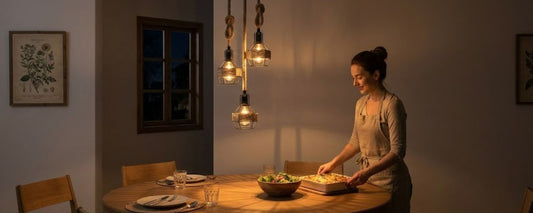
The dining room is another spot where lighting really sets the tone. It's where we gather for meals, celebrations, and sometimes even homework sessions. The main event is usually the dining table, so that's where your primary light should be.
A statement chandelier or a series of pendant lights hanging low over the table can really make the space feel special. If your table is used for more than just eating, like for crafts or work, make sure the light is bright enough for those tasks too. You might need a brighter overhead light or a dedicated task lamp nearby. For general dining room illumination, you'll want a good amount of light, but the focus is often on creating a warm, inviting glow for meals. Consider dimmers here too, so you can adjust the mood from a lively dinner party to a quiet, intimate meal.

Hallway Illumination For Safe Navigation
Hallways and entryways are often overlooked, but they're the first impression guests get of your home. Plus, they're pathways we use constantly, so safety is key. You don't need super bright lights here, but enough to see clearly and avoid stubbed toes.
- General Illumination: A ceiling fixture or a few well-placed recessed lights can provide enough light to walk safely. Aim for a moderate level of brightness, enough to see without being glaring.
- Accent Touches: Consider adding a small table lamp on a console table or a wall sconce to add a bit of style and warmth. This can make the hallway feel more welcoming and less like just a pass-through.
- Consistency: Try to keep the lighting style consistent with the rest of your home to create a cohesive flow. If you have a lot of natural light from nearby windows, you might need less artificial light. Getting the right amount of light for these transitional spaces is important for both function and feel making your home feel more inviting.
Lighting is more than just seeing; it's about feeling. The right light can transform a room from functional to fabulous, making everyday moments feel a little more special. Don't be afraid to experiment with different types of fixtures and brightness levels to find what works best for your lifestyle and your home.
Optimizing Light In Functional Areas
When it comes to areas where you actually do things, like cooking, cleaning, or working, the lighting needs to be more than just pretty. It needs to be practical. Getting the lumens right in these spots means you can see what you're doing without straining your eyes.
Kitchen Lumens For Culinary Tasks
Your kitchen is a workspace, plain and simple. You're chopping, measuring, and trying to figure out if that chicken is actually cooked. This means you need bright, clear light. A good rule of thumb is to aim for about 30 to 40 lumens per square foot for the main kitchen area. For a 120-square-foot kitchen, that's around 3,600 to 4,800 lumens total. But here's the kicker: don't just rely on one big light in the middle of the ceiling. That just creates shadows right where you're working. Instead, think about spreading the light around. Under-cabinet lighting is a game-changer here, shining light directly onto your countertops. This is where you'll be doing most of your prep work, so it needs to be shadow-free. Overhead recessed lights can handle the general illumination, and maybe a pendant light over an island if you have one. It's all about putting the light where you need it most.
Bathroom Brightness For Grooming And Clarity
Similar to the kitchen, the bathroom needs good light for tasks. Think about shaving, applying makeup, or just seeing your reflection clearly. For bathrooms, you'll want to aim for a bit more brightness, around 70 to 80 lumens per square foot. This ensures you have enough light for detailed work. To avoid those annoying shadows on your face, try putting lights on either side of your mirror. This provides more even illumination. Also, consider the Color Rendering Index (CRI) of your bulbs. A higher CRI means colors will look more true-to-life, which is pretty important when you're trying to match your foundation or check if your hair looks okay.
Home Office Lighting For Productivity
Working from home means your office space needs to support focus. Too little light can lead to eye strain and fatigue, while too much can be distracting. For the general office area, aim for about 50 to 70 lumens per square foot. But the real star here is task lighting. A good desk lamp that provides 500 to 1,000 lumens directly on your work surface is key. This focused light helps reduce glare and keeps your eyes from getting tired. It's also smart to have softer, warmer ambient light in the background. This contrast helps your eyes adjust and makes the whole space more comfortable. You don't want the room behind your screen to be pitch black, but you also don't want it to be as bright as your monitor. Finding that balance is important for long work hours.
Lighting isn't just about making a room bright; it's about making it work for you. In functional areas, this means layering light sources to cover general needs, specific tasks, and even adding a little accent light for comfort. Don't be afraid to use dimmers to adjust the mood and brightness as needed throughout the day
Here's a quick rundown of recommended lumens per square foot for these areas:
- Kitchen: 30-40 lumens/sq ft (plus task lighting)
- Bathroom: 70-80 lumens/sq ft
- Home Office: 50-70 lumens/sq ft (plus task lighting)
Remember, these are starting points. Your personal preference and the specific layout of your space might mean you need to adjust these numbers a bit. The goal is to create a space where you can comfortably and safely perform all the tasks required. For more general room guidance, check out how many lumens are typically needed.
Designing Restful Retreats With LED Bulbs
Bedrooms are all about winding down, and the lighting plays a huge role in that. You want a space that feels calm and inviting, not harsh or overly bright. Getting the right amount of light, and the right kind of light, is key to creating that perfect sanctuary.
Bedroom Lumens For Calm And Sleep
For a bedroom, the general recommendation is to aim for a total of about 1,000 to 2,000 lumens. This range provides enough light for general activities like getting dressed or tidying up, but it's also soft enough to promote relaxation and sleep. Remember, this is the total for the room, and it's best achieved by layering different light sources rather than relying on one super-bright overhead fixture. Think about splitting that total across a main ceiling light and a couple of bedside lamps.
Here's a quick breakdown for a typical bedroom size:
- Ambient Lighting: For a room around 100-150 square feet, aim for 10-20 lumens per square foot. This means a total of 1,000 to 3,000 lumens for the whole room, but remember, you'll likely use this on a dimmer.
- Task Lighting: If you read in bed, a bedside lamp with around 400-500 lumens is usually plenty. You don't want it to be blindingly bright, just enough to see your book.
- Accent Lighting: Small decorative lights, like a lamp on a dresser or a string of subtle LEDs, can add warmth and depth. These usually operate at a lower lumen output, often between 50 to 200 lumens, just to add a little glow.
Layering light sources is really the secret sauce for bedrooms. Instead of one big light, use a combination of an overhead fixture, bedside lamps, and maybe even a floor lamp. This allows you to adjust the light for different activities and moods throughout the day and night. Plus, it avoids that one harsh light source that can feel jarring when you're trying to relax.

Choosing The Right LED Bulb Color Temperature
Beyond just the brightness (lumens), the color temperature of your LED bulbs makes a big difference in how a room feels. This is measured in Kelvin (K).
- Warm White (2700K - 3000K): This is the most popular choice for bedrooms. It mimics the warm, cozy glow of traditional incandescent bulbs and is very relaxing. It's perfect for creating a calm atmosphere conducive to sleep.
- Cool White (3500K - 4100K): This has a more neutral, slightly bluish tone. While good for tasks, it can be a bit too energizing for a bedroom where you want to wind down. You might use this for a dressing area if you need clearer light for makeup or choosing outfits.
- Daylight (5000K+): This is a very cool, blue-toned light that mimics natural daylight. It's great for task-oriented areas like a home office or garage, but generally too stimulating for a bedroom environment. You don't want to feel like you're in an office when you're trying to sleep!
Beyond The Basics: Advanced Lighting Considerations
So, you've got a handle on the basic lumen counts for each room. That's great! But sometimes, just plugging in the numbers isn't quite enough to get that perfect lighting vibe. A few other things can really change how bright or dim a space feels, and it's worth thinking about them.
Adjusting Lumens For Ceiling Height
This is a big one that people often forget. If you have super high ceilings, like in a grand entryway or a vaulted living room, the light from your fixtures has to travel further to reach where you are. This means you'll likely need more lumens than the standard recommendation to get the same level of brightness on the floor. Think of it like shining a flashlight from across a big field versus just a few feet away – the light spreads out more the further it goes.
For ceilings 10 feet or higher, consider increasing your total lumen output by 10-25%.
The Impact Of Wall Color On Light Levels
Ever notice how a room painted a dark color can feel a bit gloomy, even with good lights? That's because dark walls and ceilings tend to absorb light, while lighter colors reflect it. So, if your walls are a deep navy or a rich forest green, you might need a few extra lumens to compensate for that light absorption. Conversely, if you've got crisp white walls, you might find you need slightly fewer lumens than the basic guide suggests.
Here's a quick rundown:
- Light Colors (White, Cream, Pastels): Reflect light well. You might need fewer lumens or can achieve a brighter feel with standard recommendations.
- Medium Colors (Grays, Beiges, Muted Tones): Offer a balance of reflection and absorption.
- Dark Colors (Navy, Charcoal, Deep Reds/Greens): Absorb a lot of light. You'll likely need to increase your lumen count.
Layering Light Sources For Even Illumination
This is where you really start to master your home's lighting. Instead of relying on just one overhead light, which can create harsh shadows and uneven brightness, layering different types of lights makes a huge difference. You're essentially building up the light in a room using multiple sources.
- Ambient Lighting: This is your general, overall light. Think ceiling fixtures, recessed lights, or even a bright floor lamp.
- Task Lighting: This is focused light for specific activities, like reading lamps by a chair, under-cabinet lights in the kitchen, or a desk lamp in your home office.
- Accent Lighting: This is for highlighting artwork, architectural features, or creating a mood. Think small spotlights or picture lights.
Combining these different types of lighting means you can adjust the mood and functionality of a room throughout the day. You don't need one super-bright fixture; instead, a few well-placed, moderately bright sources work much better for creating a comfortable and inviting atmosphere. This approach helps avoid that feeling of being either in a spotlight or in the dark.
Frequently Asked Questions
What's the difference between lumens and watts?+
Think of it like this: Watts tell you how much electricity a light bulb uses, kind of like how much gas a car uses. Lumens tell you how bright the light is, like how fast the car can go. So, when you want to know how bright your room will be, you should look at lumens, not watts.
How do I figure out how many lumens I need for a room?+
It's pretty simple! First, measure your room's length and width in feet and multiply them to get the total square footage. Then, multiply that number by the recommended lumens per square foot for that room type. For example, a 100 sq ft living room needing 10-20 lumens per sq ft would need 1,000 to 2,000 lumens total.
Do wall colors really affect how much light I need?+
Yes, they do! Dark walls tend to soak up light, so you might need a bit more brightness (maybe 10-20% more lumens) to make the room feel well-lit. Lighter walls, especially white, bounce light around, so you might need slightly less.
Why do bedrooms need less light than kitchens?+
Bedrooms are for relaxing and sleeping. Very bright light can actually make it harder to fall asleep because it messes with your body's natural sleep signals. So, softer, dimmer light is better for winding down. Kitchens, on the other hand, are for cooking and tasks, so you need brighter light to see clearly and safely.
Can I use multiple light sources instead of one super bright one?+
Absolutely! Layering light sources is often better. Instead of one really strong light bulb, using a few lamps or fixtures that add up to the total lumens you need can create a softer, more even light. This helps avoid harsh shadows and makes the room feel more comfortable.
Do LED bulbs get dimmer over time?+
Yes, LED bulbs do lose some of their brightness gradually over a very long time, usually after many thousands of hours of use. It's a slow process, so you likely won't notice it much year to year, but after several years, a room might start to feel a little dimmer than when the bulbs were brand new.
Etiquetas:
Anterior
Illuminate Your Space with Timeless Vintage Lighting Styles
Próximo
Warm vs Cool LED Bulbs: Which Color Temperature Is Right for Each Room? | Ledsone US
Artículos relacionados
How to Match a Lamp Shade to Your Lamp Base
Aug 27 2026
DIY Guide: Wiring a New Light Fixture Safely
Aug 19 2026