Illuminate Your Space with Timeless Vintage Lighting Styles
Adding vintage lighting to your home is a fantastic way to bring in a sense of history and character. It’s not just about the light itself, but the story and craftsmanship each piece holds. Think of it as bringing a bit of soul into your space, something that feels warm and lived-in, rather than just functional. We'll explore some classic styles and how to make them work in your home today.
Key Takeaways
- Vintage lighting offers a unique charm and a connection to the past that modern fixtures often lack.
- Iconic styles like crystal pendants and Tiffany lamps can add distinct personality to any room.
- Integrating vintage lighting into modern spaces involves thoughtful layering, mixing eras, and choosing the right shades.
- When buying vintage lighting, check material quality, scale, and signs of age as character, not defects.
- Safety is paramount; always have vintage fixtures inspected and potentially rewired by a professional before installation.
The Enduring Appeal Of Vintage Lighting
A Glow of Nostalgia and Soul
Vintage lighting brightens up a room with a softness that newer pieces often struggle to replicate. It glows rather than glares, casting light that feels atmospheric instead of utilitarian. Whether it's the shimmer of Murano glass or the sculptural weight of a mid-century floor lamp, these pieces do more than illuminate – they bring history, texture, and intention into a space. In an era of mass production and disposable fittings, decorating with vintage lighting reminds us that light was once a marvel – a scientific breakthrough as much as a decorative one – carefully engineered, materially ambitious, and designed to shine for generations. Early electric fixtures often echoed gaslight forms, using opaline glass and carefully calibrated shades to tame what was, at the time, a startling new technology. Art Deco embraced glamor and geometry; mid-century modernism favored clarity of form and new materials; postwar European designers pushed lighting toward sculpture. It's a different way of thinking about illumination, one that values longevity and thoughtful design. You can find some amazing vintage pendant lighting that really sets a mood.

Craftsmanship That Transcends Time
What sets vintage lighting apart is its presence. You can often feel the hand of the maker, the weight of the materials, and the subtle irregularities – a level of craftsmanship that’s hard to replicate today. Unlike contemporary fittings often designed around efficiency and price point, older fixtures were built to last. Metals are thicker, glass is heavier, and proportions are more deliberate. This intention gives vintage lighting real presence. It’s one of those smaller decisions that quietly sets the tone of a room. These pieces also age gracefully. Patina develops on brass and bronze; glass softens and catches light unevenly; wear becomes part of the object’s story rather than a flaw. This durability means that vintage lighting fixtures hold their value in a way many furnishings don’t. It's an investment in both atmosphere and longevity.
Vintage lighting works best when it’s allowed to shine – literally and figuratively. Layering lighting is key. Multiple light sources in every room, like table lamps, floor lamps, and wall lights working together, create warmth. Overheard lighting should rarely be doing all the heavy lifting. Warm white bulbs and dimmers help preserve the softness that vintage fixtures naturally lend.


Bringing History Into Your Home
These histories aren’t confined to museums anymore. Many designers intentionally build archives of vintage lighting, from sculptural mid-century steel sconces to delicately colored pendants. They return to these pieces again and again, allowing the ideas of earlier eras to continue shaping contemporary interiors. Designers are often drawn to pieces from the 1930s through the 1970s, citing French iron sconces, Austrian crystal chandeliers, and Murano glass as enduring standouts. These eras treated lighting as architecture in miniature – fixtures were engineered, not just styled, and often made by hand or in small workshops. The result is lighting that feels purposeful and materially authentic, shaped by the technological optimism and aesthetic confidence of its time. Incorporating these vintage lighting fixtures can add a unique narrative to your home. Even the simple addition of an edison bulb in a vintage fixture can create a warm, inviting glow.
Iconic Vintage Lighting Styles To Adorn Your Space
When you think about vintage lighting, a few distinct styles probably pop into your head. These aren't just old fixtures; they're pieces that defined eras and brought a certain flair to homes and public spaces. They often have a story to tell, a craftsmanship that's hard to find today, and a unique way of casting light that feels different from modern options.
The Regal Charm Of Crystal Pendants
Crystal chandeliers and pendants are the definition of old-world glamour. Think grand ballrooms, elegant dining rooms, or entryways that demand a statement. These fixtures, often featuring cascading prisms and intricate metalwork, catch and refract light beautifully, creating a dazzling display. They bring a sense of luxury and history, making any room feel more special. They are perfect for adding a touch of opulence.
Artistic Flourishes Of Tiffany Lamps
Tiffany lamps are instantly recognizable for their stained-glass shades, usually depicting nature scenes, geometric patterns, or flowing organic shapes. Each shade is a work of art, handcrafted with hundreds of small glass pieces. These lamps don't just provide light; they are decorative objects in themselves, casting a warm, colorful glow that adds personality and artistic flair to a space. They are a fantastic way to introduce art deco lighting influences into your home.


Understated Elegance Of Ceiling Lights
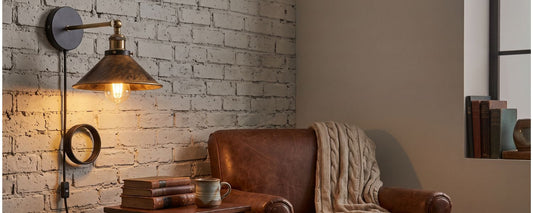
Not all vintage lighting is about sparkle and color. Many ceiling lights from past eras offer a more subtle, understated elegance. These might include fixtures with frosted or opaline glass shades, simple brass or iron fittings, and designs that focus on clean lines and diffused illumination. They were designed to provide practical, ambient light without being overly flashy, making them incredibly versatile for various rooms. You can find great examples of mid-century modern vintage lighting that fit this description here.
The Storytelling Power Of Knot Pendants
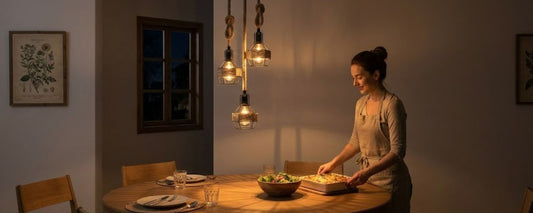
Knot pendants are a more recent vintage-inspired style, but they draw heavily on traditional craftsmanship. These lights often feature intricate knot details, sometimes in rope or metal, symbolizing connection and history. They offer a unique blend of rustic charm and modern design, perfect for adding a touch of handmade artistry and a sense of narrative to your decor. They are a great example of how materials like antique brass are making a comeback in 2026 trends.

Integrating Vintage Lighting Into Modern Interiors
So, you've found the perfect vintage lamp or chandelier, but how do you make it fit into your otherwise modern home? It's not as tricky as you might think. The key is balance. You don't want your space to look like a museum exhibit, nor do you want the vintage piece to feel out of place. It's all about creating a dialogue between the old and the new.
Layering Light Sources For Ambiance
Don't rely on just one overhead light. Vintage lighting really shines when it's part of a layered lighting scheme. Think about using a mix of table lamps, floor lamps, and wall sconces. This creates a much warmer, more inviting atmosphere than a single, harsh ceiling light ever could. Dimmers are your best friend here, allowing you to control the mood. Warm white bulbs also help preserve that soft glow that vintage fixtures are known for. It's about creating pools of light that feel cozy and intentional.
The Importance Of Shade Selection
Sometimes, the base of a vintage light is stunning, but the shade has seen better days. Original fabric shades can often look tired or even be damaged. Don't hesitate to replace them! Opting for new shades in materials like linen, silk, or natural fibers can completely refresh a vintage fixture. This allows the beautiful base to shine while giving the whole piece a more contemporary feel. It's a simple change that makes a big difference in how the light looks and feels in your room. Remember, the shade plays a huge role in how the light is diffused and the overall aesthetic.
When blending vintage and modern elements, it's helpful to limit your metal finishes to two or three throughout the entire space. This helps create a cohesive look without making the room feel too busy. Think about how the different pieces will interact visually. For example, if you have a lot of warm wood tones, a brass or bronze vintage fixture might complement them nicely, while a chrome piece could add a sharper contrast.
Here's a quick look at how different styles can work:
- Industrial Lighting: Great for adding a raw, utilitarian edge. Think exposed bulbs, metal cages, and sturdy construction. Works well in lofts, kitchens, or even as a statement piece in a living room.
- Farmhouse Lighting: Offers a cozy, rustic charm. Look for pieces with natural materials, simple forms, and perhaps a distressed finish. Perfect for kitchens, dining rooms, or entryways.
- Mid Century Modern Lighting: Known for its clean lines, organic shapes, and use of materials like wood, brass, and glass. These pieces are often sculptural and add a sophisticated, retro vibe. Ideal for living areas, bedrooms, or studies. You can find more about identifying these unique pieces at mid-century modern vintage lighting.
Where To Discover Your Next Vintage Lighting Gem
Finding that perfect vintage light fixture can feel like a treasure hunt, and honestly, that's part of the fun. It’s not just about buying a lamp; it’s about uncovering a piece with a past, something that adds character and a story to your home. The thrill of the find is often as rewarding as the fixture itself.
Ensuring Safety And Longevity With Vintage Fixtures
Bringing vintage lighting into your home is a fantastic way to add character and history, but it's super important to think about safety and how long these pieces will last. Old wiring can be a real hazard, and you don't want a beautiful antique lamp to become a fire risk. Always prioritize safety when working with older electrical items.
The Necessity Of Electrical Inspections
Before you even plug in that amazing find, it's a good idea to get it checked out by a professional. Older fixtures might not have been made with today's safety codes in mind. A qualified electrician can look over the wiring, the socket, and the plug to make sure everything is up to snuff. They can spot issues like frayed wires or loose connections that you might miss. It’s a small step that makes a big difference in preventing accidents. Think of it like getting a check-up for your new-to-you treasure.
Prioritizing Structural Integrity
Beyond the electricals, take a good look at the fixture itself. Is the base sturdy? Are there any cracks in the metal or glass that look like they could spread? A wobbly lamp or a chandelier with loose arms isn't just unsightly; it can be dangerous. You want to make sure the physical structure of the light is sound. Sometimes, minor repairs are all that's needed, but significant damage might mean the piece isn't suitable for use, no matter how pretty it is. Remember, these fixtures are often made from heavy materials, so stability is key.
Rewiring For Modern Standards
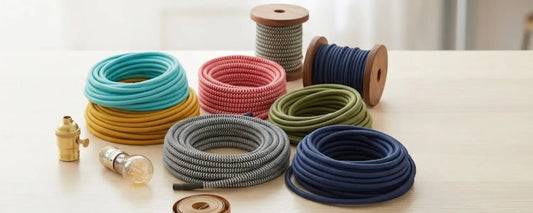
Sometimes, the best way to make a vintage fixture safe and reliable is to rewire it. This involves replacing the old internal wiring with new, modern cable that meets current safety regulations. It's a common practice for many vintage lighting enthusiasts and restorers. While it might seem like a big job, it allows you to keep the authentic look of the fixture while giving you peace of mind. A professional can handle this, making sure the new wiring is properly insulated and connected. This process helps extend the life of the fixture significantly, allowing you to enjoy its glow for years to come. It's a smart move for both safety and longevity, especially if you're dealing with older electrical panels that might be degrading
When considering vintage lighting, it's easy to get caught up in the aesthetic appeal. However, a thorough inspection and potential rewiring are not just recommendations; they are vital steps to ensure the fixture is safe for your home and will continue to function beautifully for a long time. Don't skip this part of the process.
Here's a quick rundown of what to consider:
- Wiring: Look for signs of wear, brittleness, or exposed copper. If in doubt, assume it needs replacing.
- Plugs and Sockets: Check for damage, corrosion, or loose parts.
- Switch: Ensure any built-in switches operate smoothly and safely.
- Grounding: Modern fixtures are often grounded for safety; older ones may not be. An electrician can advise on this.
- Material Condition: Assess the physical state of the metal, glass, and any other components.
Frequently Asked Questions
Why is vintage lighting so popular right now?+
Vintage lighting is trending because it brings a special kind of charm and history into a home. Unlike new lights, old fixtures often have unique designs and show signs of craftsmanship that you just can't find anymore. They add a sense of soul and character that makes a space feel more personal and interesting, like a piece of art with a story.
What makes vintage lighting different from new lighting?+
Vintage lights were often made with better, heavier materials and had more detailed designs because they were built to last. They also have a history behind them, showing how people lit their homes in the past. This gives them a unique look and feel, a kind of warmth and glow that newer, mass-produced lights often miss.
Can I mix vintage lights with my modern furniture?+
Absolutely! Mixing vintage lights with modern furniture is a great way to create a stylish and unique look. It's like combining old and new to make something fresh. For example, a fancy old chandelier can look amazing in a room with clean, modern furniture, adding a touch of elegance and surprise.
Are old light fixtures safe to use?+
It's important to be careful with old lights. The wiring inside might be worn out or not up to today's safety standards. It's always a good idea to have an electrician check and possibly update the wiring to make sure the fixture is safe to use in your home.
Where can I find good quality vintage lighting?+
You can find vintage lighting in many places! Online shops like Etsy or Chairish are good spots to start. You can also try visiting local antique stores, flea markets, or even go to auctions. Sometimes, you might find a real treasure if you look in the right places.
What should I look for when buying a vintage light fixture?+
When buying vintage lights, check the materials to see if they are good quality, like heavy metal or thick glass. Look at how well it's put together. Also, think about the size – does it fit the room? Small signs of age, like a bit of patina on metal, can add character, but make sure the main structure is strong and not damaged.
Etiquetas:
Anterior
Kitchen Lighting Ideas 2026: The Ultimate Guide to a Brighter Kitchen
Próximo
How Many Lumens Do I Need? A Room-by-Room USA Lighting Guide
Artículos relacionados
How to Match a Lamp Shade to Your Lamp Base
Aug 27 2026
DIY Guide: Wiring a New Light Fixture Safely
Aug 19 2026