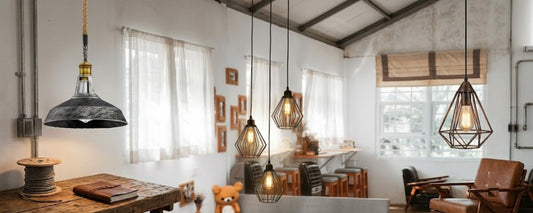
Let There Be Light: All About Bulbs
Key Takeaways
- Thomas Edison didn't invent the first electric light, but he made a practical, long-lasting bulb with a good filament, which was a huge step forward.
- The electric bulb changed daily life, making homes and cities safer and brighter, and it paved the way for other technologies like the electric grid.
- Bulb technology has come a long way, moving from inefficient incandescent bulbs to more energy-saving options like LED bulbs, though people still have preferences for the type of light.
- Understanding bulb specs like lumens, watts, and Kelvin helps you pick the right bulb for your needs, and it's good to be aware of potential safety issues like heat.
Modern Lighting Trends for 2026
Smart Lighting: Convenience and Control
Smart lighting is no longer a futuristic concept; it's a rapidly growing segment of the home and commercial lighting market. These systems allow users to control lights remotely via smartphones or voice commands, offering unparalleled convenience. Features like scheduling, dimming, and color-changing capabilities enhance ambiance and can even contribute to energy savings. Integration with other smart home devices, such as security systems and thermostats, creates a more connected and automated living or working environment. The trend is moving towards more intuitive interfaces and advanced automation based on occupancy and natural light levels.


Sustainable Lighting Solutions: Energy Efficiency and Eco-Friendliness
With increasing global awareness of environmental issues, sustainable lighting is a major focus. LED technology continues to dominate due to its exceptional energy efficiency and long lifespan, significantly reducing electricity consumption and waste. Beyond LEDs, there's a growing interest in lighting solutions that minimize environmental impact throughout their lifecycle, from manufacturing to disposal. This includes using recycled materials, reducing hazardous substances, and designing for easier repair and recycling. The push for net-zero energy buildings also drives demand for lighting systems that are not only efficient but also integrate seamlessly with renewable energy sources.
Emerging Technologies: The Future of Illumination
The lighting industry is constantly innovating. We're seeing advancements in areas like human-centric lighting, which aims to mimic natural daylight patterns to improve well-being, productivity, and sleep cycles. Li-Fi (Light Fidelity) technology, which uses light waves to transmit data, is also gaining traction, offering a secure and high-speed alternative to traditional Wi-Fi. Furthermore, research into new materials and light-generating methods, such as organic LEDs (OLEDs) and advanced phosphors, promises even more versatile and efficient lighting solutions. The focus is on creating lighting that is not just functional but also adaptive, responsive, and beneficial to human health.
Revolutionizing Daily Life With The Bulb
While technology drives innovation, the aesthetic appeal of lighting remains crucial. In 2026, expect to see a continued emphasis on minimalist designs, integrated lighting solutions that blend seamlessly into architecture, and statement fixtures that serve as artistic focal points. The interplay of light and shadow, the ability to create specific moods, and the use of light to highlight architectural features are all key considerations in modern interior and exterior design. Smart controls are also enabling dynamic lighting schemes that can change throughout the day or for different occasions, adding another layer of design flexibility.
Evolution Of The Light Bulb
It's wild to think about how far light bulbs have come, right? We've gone from flickering flames to these super-efficient LEDs we use today. The journey really picked up steam once electricity became a thing. Before that, people were using gas lamps and oil, which were okay, but definitely had their downsides – think soot and fire risks.
From Incandescent To Modern Alternatives
The early electric bulbs, the incandescent ones, were pretty revolutionary. They worked by heating a thin wire, called a filament, until it glowed. Thomas Edison is often credited with perfecting this, but lots of inventors were working on similar ideas around the same time. Joseph Swan in England, for instance, also developed a working incandescent bulb. Edison's big win was figuring out how to make a filament that lasted a decent amount of time and then creating a way to mass-produce them. His early bulbs looked a bit different, often with a pointed tip from the vacuum process, but they eventually settled into the familiar pear shape. The screw-in base we use now also has a funny origin story, with Edison reportedly getting the idea from a kerosene can lid! It's amazing how these simple designs changed everything.
| Bulb Type | Filament Material | Average Lifespan (Hours) |
|---|---|---|
| Early Incandescent | Carbonized Cotton | 14.5 |
| Improved Incandescent | Carbonized Cotton | 1200 |
| Platinum Filament | Platinum | Varies |
The Rise Of LED Technology
Incandescent bulbs were the standard for ages, but they weren't exactly energy sippers. They lost a lot of energy as heat. Then came along fluorescent bulbs, which were better, but still had their own issues. Now, we're really in the age of LEDs – Light Emitting Diodes. These are totally different in how light bulbs work. Instead of heating a filament, LEDs use semiconductors to produce light. They're incredibly efficient, last a super long time, and come in all sorts of colors and brightness levels. It's a huge leap from those early carbon filaments. You can find them everywhere now, from your phone screen to streetlights. It's pretty cool to see how technology keeps pushing forward.
Consumer Preferences In Bulb Light
What people want in a light bulb has changed a lot too. Back in the day, just having a reliable electric light was the main thing. Then, people started caring more about brightness and how long bulbs lasted. Now, with LEDs, we have even more choices. We can pick the color temperature – from warm, cozy yellow light to bright, cool white light. We also look at lumens (brightness) and watts (energy use), trying to find that sweet spot between good lighting and saving money on electricity bills. It's not just about light anymore; it's about creating the right atmosphere and being smart about energy use. The early days of electric light were focused on just getting light, but today, we're much more particular about the quality and efficiency of that light. For more on early lighting, check out the invention of gas light.
The evolution of the light bulb is a story of constant innovation, driven by the desire for better, safer, and more efficient ways to illuminate our world. From the first glowing wires to the sophisticated LEDs of today, each step has brought us closer to harnessing light in ways our ancestors could only dream of.
Understanding Bulb Technology
So, you've got your new light fixture, but what kind of bulb do you actually put in it? It's not as simple as just grabbing any old bulb off the shelf anymore. We've got lumens, watts, Kelvin, and all sorts of other terms that can make your head spin. Let's break it down.
Lumens, Watts, and Kelvin Explained
First off, forget watts being the main measure of brightness. That's old news from the incandescent days. Today, we look at lumens. More lumens means a brighter light. Watts now mostly tell you how much energy the bulb uses. The shift to energy efficient lighting means you'll see bulbs with fewer watts but more lumens. For example, a 9-watt LED bulb can give you the same brightness as a 60-watt old-school incandescent bulb. That's a huge difference in electricity use!
Then there's Kelvin (K). This tells you the color temperature of the light. Think of it like this:
- Low Kelvin (around 2700K-3000K): This gives you a warm, yellowish light, similar to what old incandescent bulbs produced. It's cozy and great for living rooms or bedrooms.
- Medium Kelvin (around 3500K-4100K): This is a more neutral white light. It's good for kitchens or bathrooms where you need clear visibility.
- High Kelvin (5000K and above): This produces a cool, bluish light. It's often used in commercial spaces or for task lighting where you need to be alert. You might see this referred to as color temperature blue.
Choosing the Right Bulb Color
Picking the right color temperature is more important than you might think. It really changes the feel of a room. For instance, a color temperature of 3000k is a popular choice for many homes because it offers a nice balance – not too yellow, not too blue. It feels bright but still comfortable. If you want that super bright, almost daylight feel, you'd go higher, maybe 5000K or more. But if you're aiming for a relaxing vibe, stick to the lower Kelvin numbers. It's all about the mood you want to create.
The Science Behind Bulb Efficiency
Why are LED bulbs so much better for your wallet and the planet? It's all about how they make light. Incandescent bulbs work by heating a tiny wire until it glows, which wastes a ton of energy as heat. CFLs (compact fluorescent lamps) are better, but they still have their own limitations. LEDs, on the other hand, use semiconductors to produce light directly. This process is way more efficient, meaning less energy wasted and longer bulb life. It's a big step forward in energy efficient lighting.
The move towards more efficient lighting isn't just about saving money on your electricity bill. It's also about reducing our overall energy consumption and lessening our impact on the environment. When you choose an LED, you're making a small but significant choice for a more sustainable future.
| Bulb Type | Typical Wattage (for 800 lumens) | Energy Efficiency (Lumens/Watt) | Lifespan (Hours) |
|---|---|---|---|
| Incandescent | 60W | ~13 | ~1,000 |
| Halogen | 43W | ~17 | ~2,000 |
| CFL | 13W | ~60 | ~8,000 |
| LED | 9W | ~89 | ~25,000+ |
As you can see, LEDs are the clear winner when it comes to energy efficient lighting.
Safety And The Light Bulb
While light bulbs have brought so much convenience into our lives, it's important to remember they aren't entirely without risks. We often take them for granted, but these little devices generate heat and electricity, and when things go wrong, they can cause problems.
Potential Fire Hazards
It's easy to forget that a light bulb gets quite hot. Touching a bulb that's been on for a while can give you a nasty burn, and that heat is a sign of energy being released. If a bulb is too close to flammable materials, like curtains or paper, that heat can become a fire hazard. This is especially true for older incandescent bulbs that produce a lot of heat. When you're thinking about lighting solutions for home, always consider the placement of your fixtures and the type of bulb you're using.
- Overheating: Bulbs that are too powerful for their fixture or are covered can overheat.
- Faulty Wiring: Damaged or old wiring in lamps or ceiling fixtures can cause sparks and fires.
- Improper Installation: Loose connections or incorrect bulb types can lead to dangerous situations.
- Dust Buildup: A thick layer of dust on a bulb can insulate it, causing it to get hotter than usual.
Examining Bulb Malfunctions
Sometimes, bulbs just stop working, but other times, a malfunction can be a warning sign. Flickering lights, for instance, might just mean the bulb is nearing the end of its life, or it could indicate a problem with the socket or the home's electrical system. Strange noises, like buzzing or popping, are definitely red flags and should be investigated immediately. If a bulb appears discolored or shows signs of melting, turn off the power to that fixture right away and replace the bulb and potentially the fixture itself.
When you're choosing the right light, consider the bulb's quality. Cheaper, unbranded bulbs might seem like a good deal, but they can be more prone to defects and safety issues. It's often worth spending a little more for a reputable brand.
When dealing with any electrical device, especially one that generates heat, safety should always be the top priority. Don't ignore warning signs like flickering, strange smells, or excessive heat. A little caution goes a long way in preventing accidents.
Understanding the difference between yellow light bulbs vs white light bulbs isn't just about aesthetics; it can also relate to the technology used and its potential heat output.
The Bulb's Enduring Legacy
Artistic Appreciation Of The Bulb
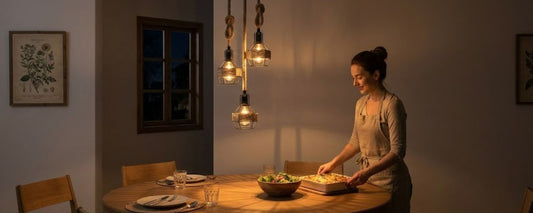
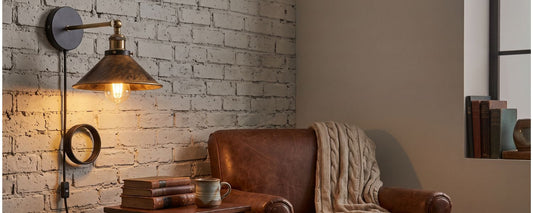
It's funny how something as common as a light bulb can become a symbol. Think about it – when someone has a bright idea, what do we draw? A light bulb, right? It's become this universal icon for innovation and sudden inspiration. You see them everywhere, from cartoons to logos, and even in trendy cafes with those vintage-looking Edison bulbs. They're not just functional anymore; they've kind of entered our visual language. It's pretty neat how a simple invention can embed itself so deeply into our culture and how we express ideas.
The Bulb's Place In History
When you really look back, the light bulb wasn't just about making rooms brighter. It was a total game-changer. Before electric lights, people relied on gas lamps, kerosene, or even candles. These were often smoky, smelly, and frankly, a bit dangerous. The electric bulb changed all that, making homes and cities safer and more livable, especially after dark. It also paved the way for so much more – think about the entire electrical grid that had to be built to support these bulbs. That grid then enabled everything from factories to telephones, and eventually, computers and the internet. It's hard to overstate its importance.
- The invention of the practical incandescent light bulb by Thomas Edison and others. This marked a significant shift from earlier, less reliable lighting methods.
- The development of electrical infrastructure. The need for widespread electricity to power bulbs led to the creation of power plants and distribution networks.
- The transformation of daily life. Extended hours of activity, increased safety in homes and public spaces, and new possibilities for work and leisure.
- A symbol of progress. The light bulb quickly became synonymous with new ideas and technological advancement.
The early days of light bulb development were a race to create something that lasted. Companies weren't just trying to make a bulb; they were trying to make one that would burn for a very, very long time. Some of these early bulbs, like the famous Centennial Bulb in Livermore, California, are still working after over a century. It makes you wonder what happened to that focus on durability.
It's also worth noting that some of these older bulbs were built to last. Unlike today's bulbs, which are often designed with a specific lifespan, early manufacturers aimed for longevity. This meant that when a bulb did burn out, the base was often reused, with new filaments and glass. This approach to manufacturing is quite different from what we see now, where planned obsolescence is more common.
The Enduring Glow
So, we've looked at how bulbs went from fancy new tech for the rich to something we all use every day. It’s pretty wild to think about how much has changed, from gas lamps to the LEDs we have now. Even though we've got all these new options, there's still something special about the old-school bulbs, right? It just goes to show that even a small thing like a light bulb can really change how we live. Pretty neat stuff.
Frequently Asked Questions
What did people use for light before the electric bulb?
Before electric lights, people relied on things like candles, oil lamps that burned whale oil or kerosene, and gas lights. These methods were often smoky, smelly, and not very bright, and sometimes even dangerous.
Who invented the light bulb?
While many inventors worked on electric lights, Thomas Edison is most famous for developing a practical and long-lasting incandescent light bulb. He and his team tested many different materials for the filament before finding one that worked well.
How did light bulbs change homes and cities?
Light bulbs made it possible to have bright, safe light anywhere, anytime. Homes became more comfortable, and cities could be lit up at night, making them safer and allowing businesses to stay open later. It also helped make taller buildings possible because light could reach every room.
What are the different types of light bulbs available today?
Today, we have many options beyond the old incandescent bulbs. Common types include LED (Light Emitting Diode) and CFL (Compact Fluorescent Lamp) bulbs. LEDs are very energy-efficient and last a long time, while CFLs were an earlier energy-saving option.
What do lumens, watts, and Kelvin mean for light bulbs?
Watts used to tell us how bright a bulb was, but now we look at lumens – the higher the lumens, the brighter the light. Kelvin tells us the color of the light, from warm, yellowish light (lower Kelvin) to cool, bluish light (higher Kelvin).
Can light bulbs be a safety hazard?
Yes, light bulbs can be a hazard. They can get very hot, which can be a fire risk if they are too close to flammable materials. Also, older or damaged bulbs can sometimes malfunction.
How do incandescent light bulbs work?
Incandescent light bulbs work by passing an electric current through a thin wire, called a filament, which is usually made of tungsten. This filament heats up to a very high temperature, causing it to glow and produce light. However, this process is very inefficient, as most of the energy is lost as heat.
What are 4 types of bulbs?
Four common types of light bulbs are: Incandescent bulbs, Halogen bulbs, CFL (Compact Fluorescent Lamp) bulbs, and LED (Light Emitting Diode) bulbs.
What is the downside of LED lights?
While LED lights are highly efficient and long-lasting, some potential downsides include their higher initial cost compared to incandescent bulbs, the possibility of harsh or cool light if the color temperature isn't chosen carefully, and concerns about the disposal of electronic components.
Can LED lights save electricity?
Yes, LED lights can save a significant amount of electricity. They are much more energy-efficient than incandescent bulbs, using up to 80% less energy to produce the same amount of light. This leads to lower electricity bills and reduced energy consumption.
What is the color temperature of LED lamps?
LED lamps are available in a wide range of color temperatures, typically measured in Kelvin (K). They can range from warm white (around 2700K-3000K), similar to incandescent bulbs, to neutral white (around 3500K-4100K), and cool white or daylight (5000K and above). This allows for versatility in creating different moods and lighting effects.
Why were incandescent light bulbs banned?
Incandescent light bulbs were not outright banned, but many countries phased them out or restricted their sale due to their inefficiency. They convert a large portion of energy into heat rather than light, making them less environmentally friendly and more costly to operate compared to modern alternatives like LEDs and CFLs. Regulations were put in place to encourage the use of more energy-efficient lighting technologies.
Tags:
Previous
Transform Your Space: The Ultimate Guide to Choosing the Perfect Lamp Shade
Next
2026 Lighting Trends for US Homes: What's In & What to Avoid
Related articles
How to Match a Lamp Shade to Your Lamp Base
Aug 27 2026
DIY Guide: Wiring a New Light Fixture Safely
Aug 19 2026