




Flush Mount Ceiling Lights: The Complete Guide to Style & Function
Picking out the right lights for your place can really change how it feels and how you use it. When you're looking at all the options, flush mount ceiling lights are a pretty solid choice for just about any room. They look clean, modern, and don't stick out too much.
While pendant lights are great for high ceilings, flush mounts are the unsung heroes of versatile home design. This guide is going to break down what you need to know about these lights so you can figure out the best one for your home.
Key Takeaways
- A flush mount ceiling light sits right up against the ceiling, making it great for rooms with lower ceilings or when you want a simple look.
- These lights are super versatile and can fit with lots of different decorating styles, from modern to traditional.
- Think about the size of the room and where you'll put the light to make sure it lights up the space just right without being too much or too little.
- The type of bulb—especially modern LED bulbs—and its color temperature (warm or cool) really change the mood of a room.
- Proper installation is important for safety, and keeping your flush mount ceiling light clean will help it last longer.
Understanding Flush Mount Ceiling Lights

What Defines a Flush Mount Ceiling Light?
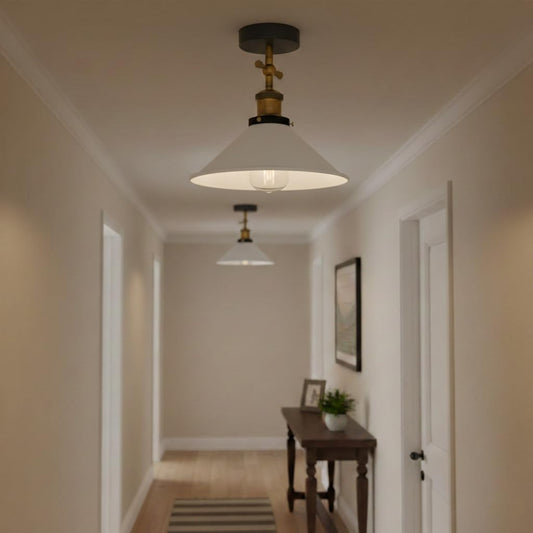
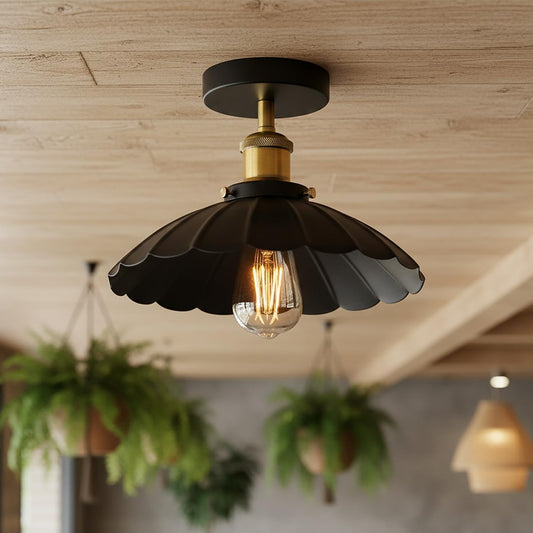
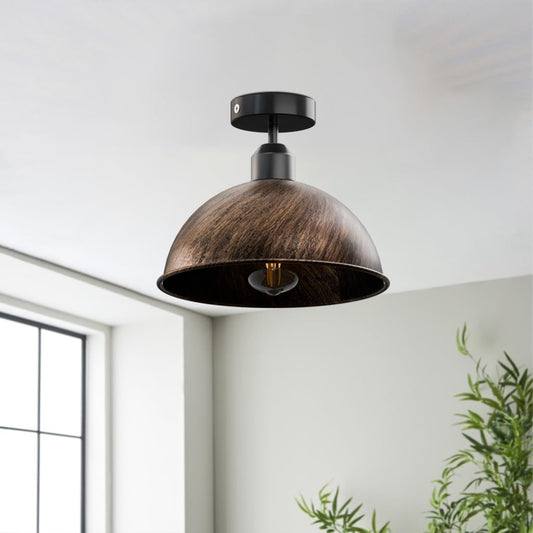
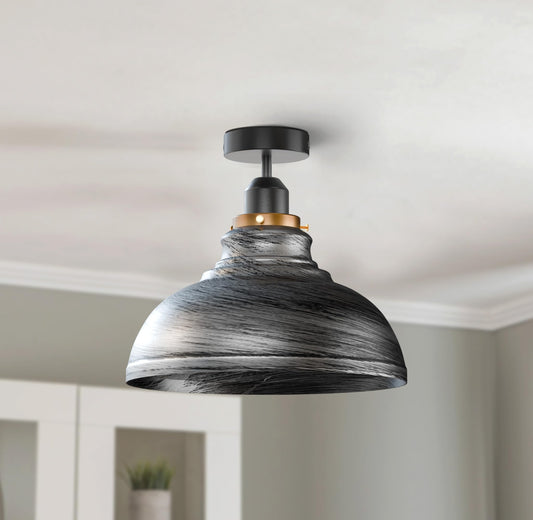
A flush mount ceiling light is a type of fixture that attaches directly to the ceiling surface. Unlike chandeliers that hang down, these lights sit flat, making them a great choice for rooms with lower ceilings or when you want a clean, uncluttered look. They're a really practical way to add light without taking up visual space.
You'll find them in all sorts of shapes and sizes, from simple circles to more decorative designs. The key thing is that they hug the ceiling, giving a streamlined appearance. This makes them super versatile for different rooms.
Key Benefits for Your Home
So, why pick a flush mount? Well, for starters, they're fantastic space savers. Because they don't hang down, they won't get in the way, which is a big plus in smaller areas or rooms with standard or low ceilings. They also tend to spread light pretty evenly across a room, cutting down on those annoying dark corners. Think about hallways, entryways, or even a busy kitchen setup – they just work well.
Here are some of the main advantages:
- Space Efficiency: Ideal for rooms with limited vertical space.
- Even Illumination: Distributes light broadly, reducing shadows.
- Versatility: Fits well with many decor styles and room types.
- Low Profile: Doesn't obstruct views or pathways.
Ideal Locations for Flush Mount Fixtures
These lights are seriously adaptable. They're a go-to for hallways and entryways where you need good light but don't want anything hanging down to bump into. Kitchens often benefit from the bright, even light a flush mount provides, especially over work areas. Bedrooms and living rooms can also use them, particularly if the ceilings aren't very high.
Even bathrooms can work, though you'll want to check for moisture ratings (IP ratings). Sometimes, people even use semi-flush mount ceiling lights if they want a little more decorative flair but still need to keep things relatively close to the ceiling. Basically, if you need light without a lot of fuss or hanging hardware, a flush mount is a solid bet.
Pro Tip: When choosing a flush mount, think about the overall feel you want for the room. Some are very basic, while others have decorative elements that can add a bit of style. It's not just about function; they can contribute to the room's look too.
Choosing the Perfect Flush Mount Ceiling Light

So, you're looking for some help with picking out a flush mount ceiling light. It can feel a bit overwhelming with all the choices out there, right? But don't worry, we'll break it down. The goal here is to find a fixture that not only looks good but also works well for your specific room.
Selecting Styles to Complement Your Decor
Think about the vibe you're going for in your room. Is it super modern and sleek, or more cozy and traditional? Flush mounts come in all sorts of styles.
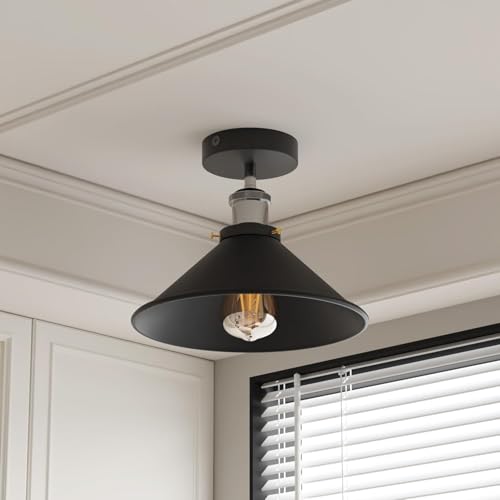
- Modern: Often features geometric shapes, metal finishes like brushed nickel or matte black, and minimalist designs.
- Traditional: Might include classic shapes, ornate details, and finishes like bronze or brass.
- Transitional: Blends elements of both modern and traditional, offering a versatile look.
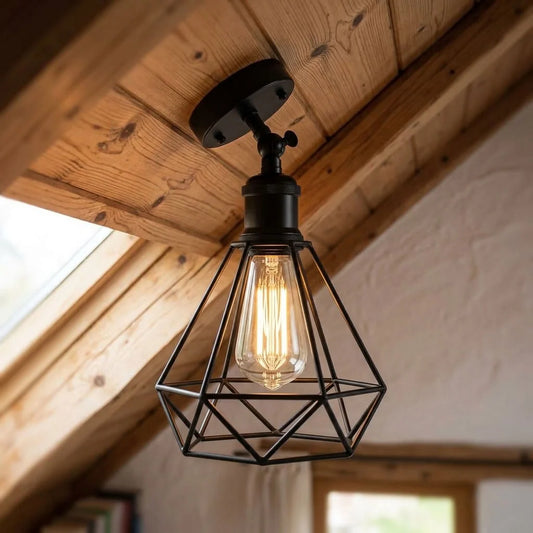
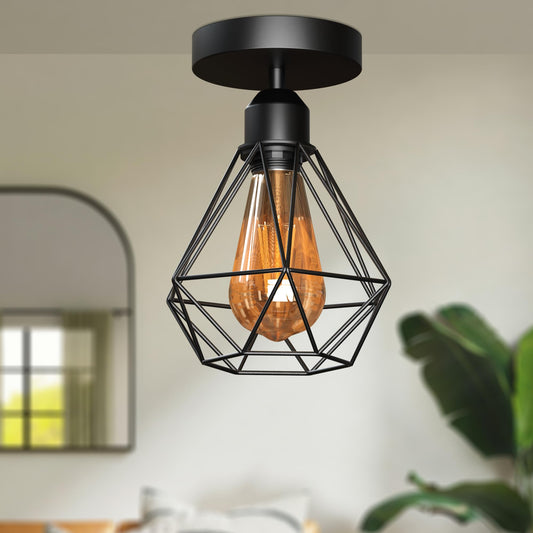
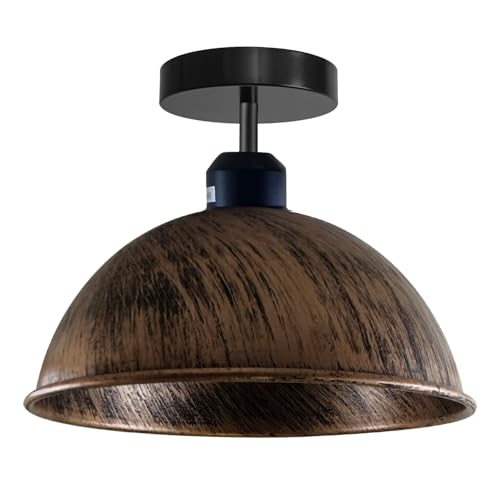
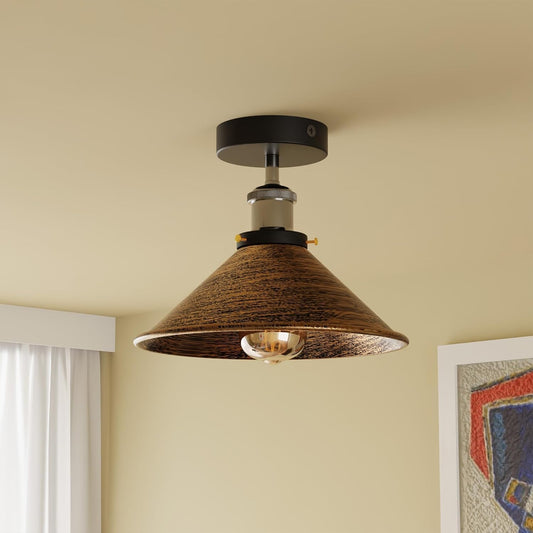
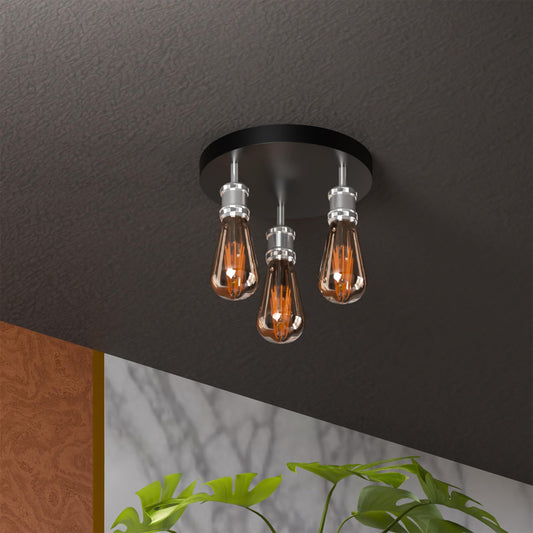
- Industrial/Rustic: Think exposed hardware, wood accents, or metal cages (often paired with vintage filament bulbs).
It's a good idea to look at what else is in the room – your furniture, wall color, even other light fixtures like wall lights or sconces. A cohesive look is nice, but sometimes a fixture that stands out a little can add some personality.
Materials and Finishes for Durability and Appeal
What the light is made of matters, both for how it looks and how long it lasts. Metal finishes like brushed nickel, oil-rubbed bronze, or polished chrome are popular because they're durable and look good in many settings. Glass shades can be clear, frosted, or textured, affecting how the light spreads. Some fixtures even incorporate natural materials like wood or rattan for a warmer feel.
Considering Size and Placement for Optimal Illumination
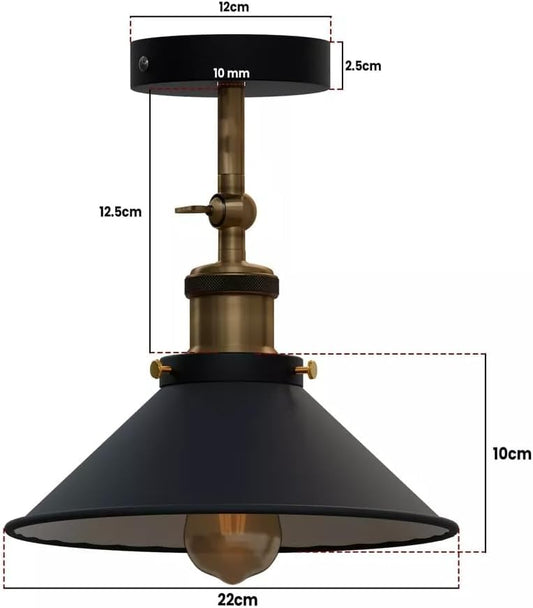
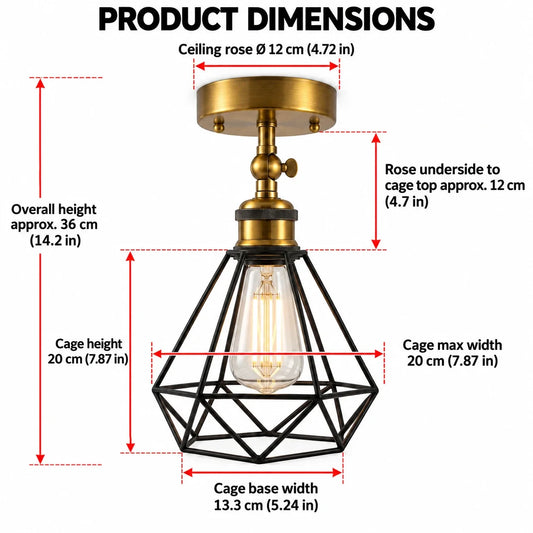
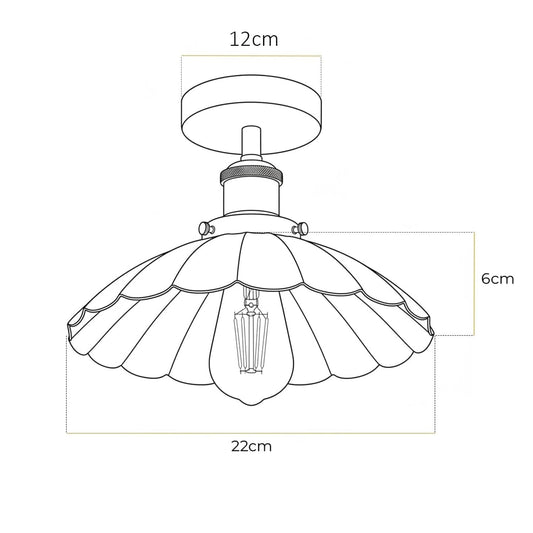
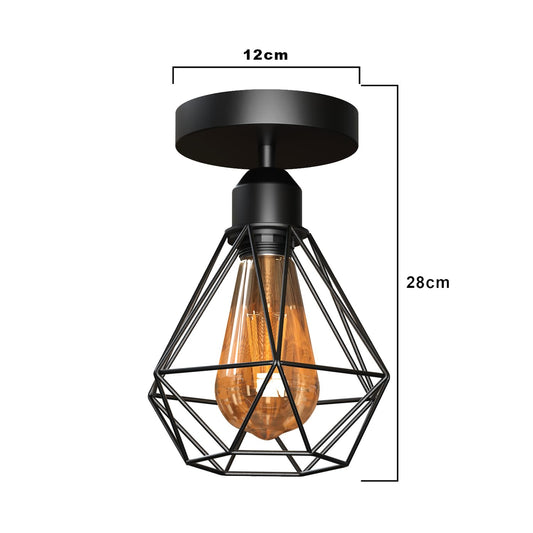
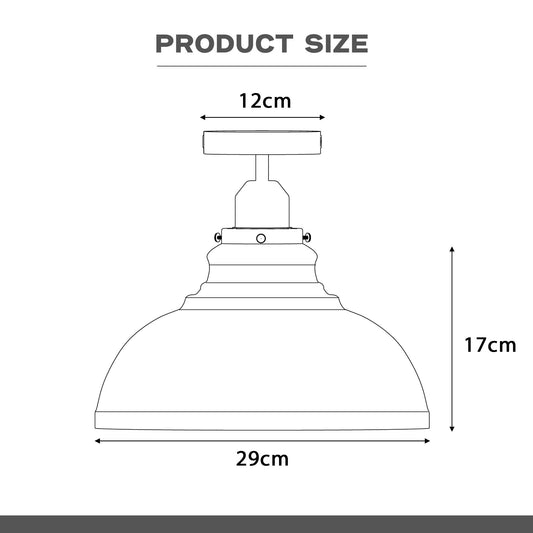
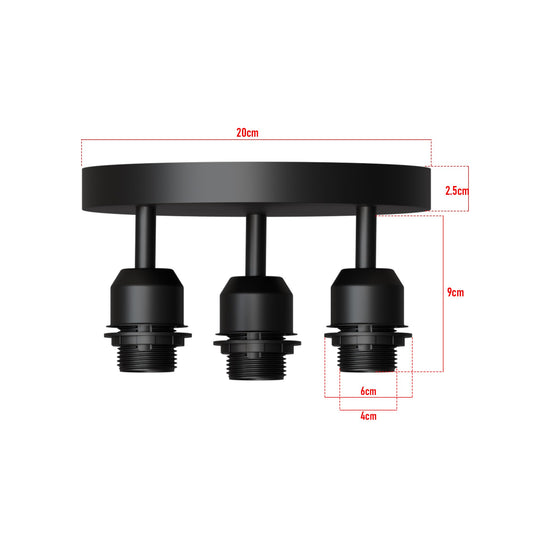
Getting the size right is pretty important. A light that's too big can make a small room feel cramped, while one that's too small might not light the space up enough. For most rooms with standard 8-foot ceilings, a fixture around 12 to 24 inches in diameter usually works well. If you have higher ceilings, you might go a bit larger, but always keep clearance in mind so no one bumps their head.
Optimizing Light Output and Ambiance

Understanding Lumens and Color Temperature
Getting the light just right in a room is more than just picking a fixture; it's about the quality of light. Two big things to look at are Lumens (brightness) and Kelvin (color temperature).
Lower numbers, like 2700K to 3000K (Warm White), give you a warm, cozy light, kind of like an old-fashioned incandescent bulb. This is usually best for living areas and bedrooms. Higher numbers, say 4000K to 5000K (Cool White), give you a cleaner, more neutral light. This is ideal for kitchen lights or bathrooms where you need to see clearly.
Choosing the Right Bulb Types
So, you've got your fixture, and you know about lumens and color temperature. Now, what kind of bulb should you put in it?
- LED Bulbs: These are super popular now. They use way less energy than older bulbs, last a really long time, and come in all sorts of brightness levels.
- Incandescent Bulbs: You might still find these around. They give off that classic warm glow but use significantly more electricity.
- Smart Bulbs: These allow you to control brightness and color via your phone. They generally use LED technology, combining efficiency with high-tech control.
Incorporating Dimmable and Smart Features
Want to really fine-tune the mood in your space? Dimmable lights and smart features are your best friends. A simple dimmer switch can change a bright, functional room into a cozy, relaxed one with just a flick. Being able to control your lighting remotely or with voice commands adds a layer of convenience that's hard to beat.
Seamless Installation and Maintenance
Getting your new flush mount ceiling light up and running, and keeping it that way, is actually pretty straightforward. Most of us can handle it without calling in the pros, but it's always good to know what you're getting into.
Essential Steps for a Safe Installation
Safety first, always. Before you even think about touching wires, make sure the power to the fixture is completely off at the breaker box. If you're not totally comfortable with electrical work, there's no shame in calling an electrician.
Routine Care for Longevity
Keeping your flush mount looking good and working well doesn't take much. A quick dusting with a soft cloth every now and then will keep it looking fresh. If it gets a bit grimy, a slightly damp cloth usually does the trick—just make sure the light is off and completely cool before you wipe it down.
Layering Light for Enhanced Living Spaces
Your flush mount ceiling light is probably going to be your main source of ambient light. But to make a room truly sing, you need to layer it. This means combining your ceiling fixture with table lamps, floor lamps, or wall sconces to create depth and eliminate shadows.
Wrapping It Up
So, there you have it. Flush mount ceiling lights are pretty great, right? They’re a simple way to make a room look better and feel brighter without taking up a ton of space. Whether you’ve got low ceilings or just want a clean look, these fixtures really do the trick. We’ve covered a lot, from picking the right style to getting them installed, and hopefully, you feel ready to choose the perfect one for your home.
Frequently Asked Questions
What exactly is a flush mount ceiling light?
A flush mount ceiling light is a light fixture that attaches right onto the ceiling. It sits flat against the surface, so it doesn't hang down like a pendant light. This makes it great for rooms with lower ceilings or when you want a clean, simple look.
Why should I choose a flush mount light for my home?
Flush mount lights are super useful because they don't take up much space and give off light evenly. They're perfect for hallways, closets, or smaller rooms where you need good light without anything getting in the way.
How do I know what size flush mount light to buy?
A good rule of thumb is to measure the length and width of your room in feet, add those numbers together, and then convert that total to inches. That number is a good starting point for the light's diameter. For example, a 10x12 foot room might work well with a 22-inch light.
What's the difference between warm and cool light colors?
Warm light (2700K to 3000K) feels cozy and is great for living rooms or bedrooms. Cool light (3500K to 4100K) is brighter and more like natural daylight, making it good for kitchens or bathrooms where you need to see clearly.
Can I install a flush mount light myself?
Yes, you can often install them yourself if you're comfortable with basic electrical work. Just be sure to turn off the power at the breaker first! If you're not sure, it's always best to get a professional electrician to do it safely.
 Google Review