



The Ultimate Guide to Choosing and Using Fabric Cables
So, you're working on a project and need some lighting, but you want it to look good, not just functional. That's where fabric cables come in. They've really picked up steam lately, showing up in everything from cool cafes to people's homes. Forget those boring old plastic cords; fabric cables add a bit of style. This guide is all about helping you figure out which fabric cables to use, whether you need two wires or three, and how to make sure they look great and work safely. We'll cover the basics and get you ready to pick the right ones for whatever you're building.
Key Takeaways
-
Fabric cables are electrical wires wrapped in a textile material, offering both style and protection, making them a popular choice for decorative lighting.
-
When choosing fabric cables, decide between 2-core (live and neutral) for ungrounded fixtures and 3-core (live, neutral, and earth) for grounded fixtures or added safety.
-
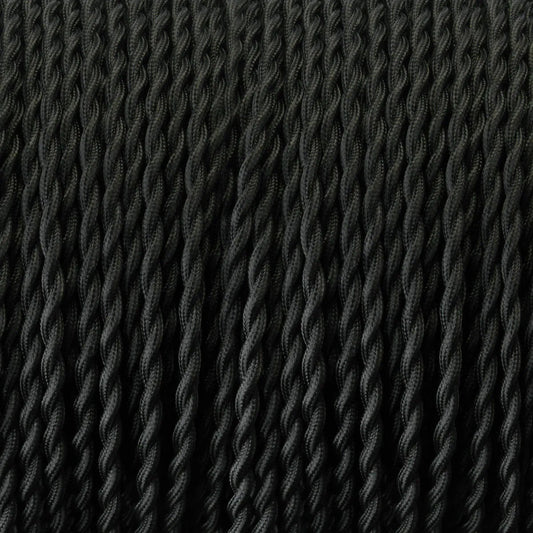
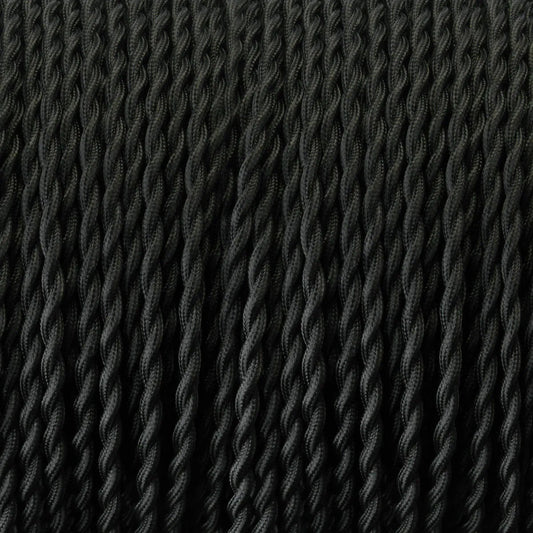
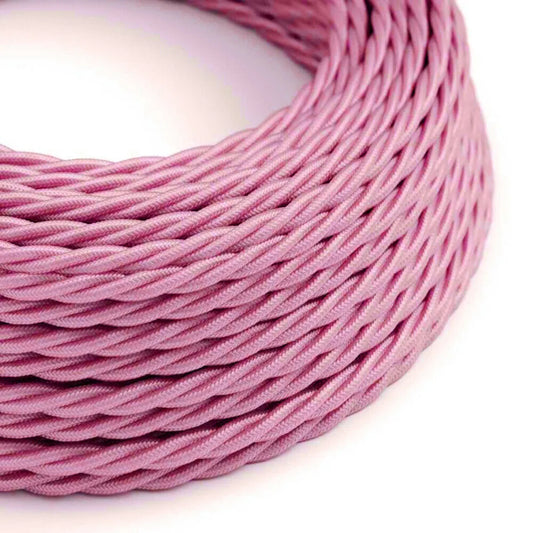
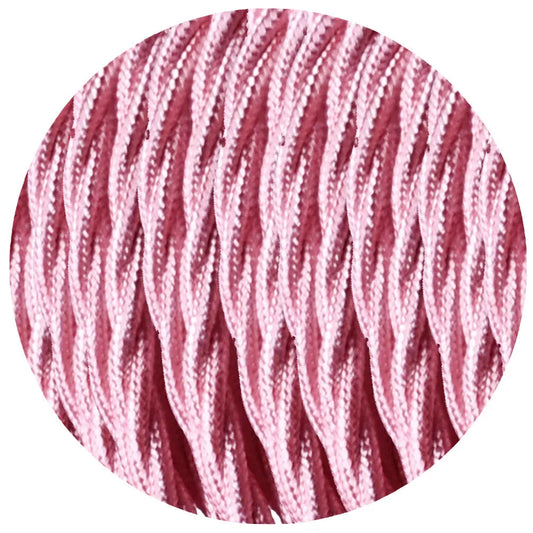
The style of fabric cable matters; twisted options add a vintage or industrial look, while round cables offer a cleaner, more modern appearance.
-
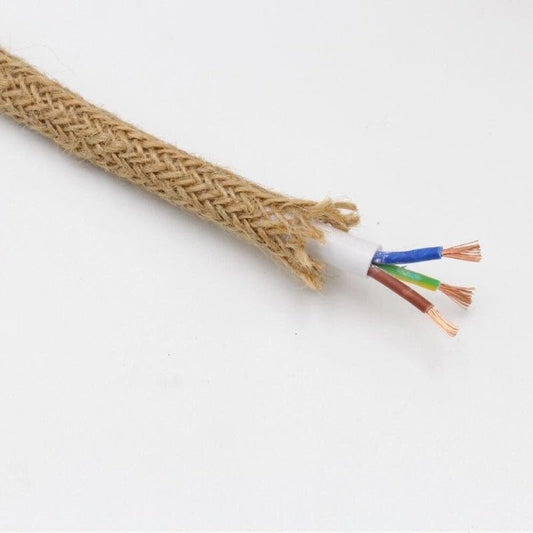
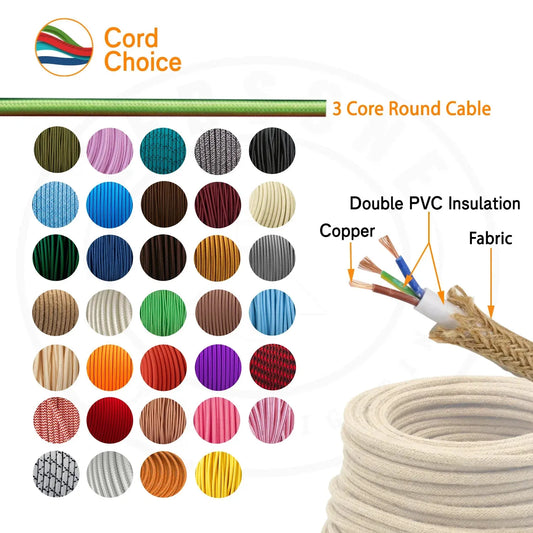
Consider the cable's thickness and load capacity to match your fixture's power needs, and pay attention to UK colour coding (brown for live, blue for neutral, green/yellow for earth) for safe installation.
-
Fabric cables are versatile and can be used in homes for pendant lights and lamps, as well as in commercial spaces like restaurants and offices to improve the overall atmosphere and design.
Understanding Fabric Cables
So, you're looking into fabric cables for your next project? That's a smart move. These aren't your average, boring wires; they're a way to add a bit of flair and personality to your lighting and electrical setups. Think of them as the stylish accessory for your fixtures. They've become super popular, and for good reason. They blend looks with function, making them a go-to for everything from home decor to commercial spaces.
What Are Fabric Electrical Cables?
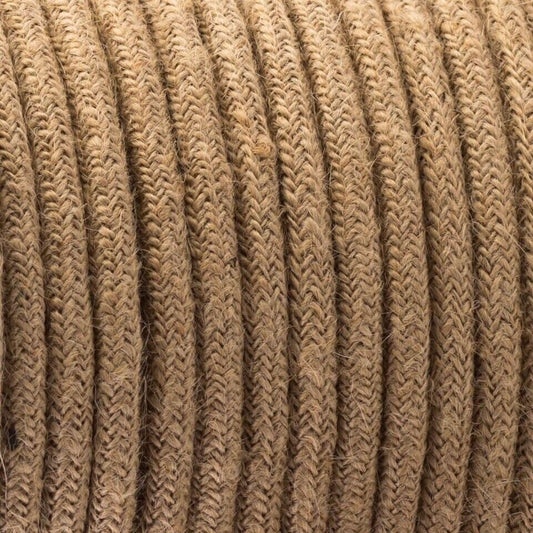
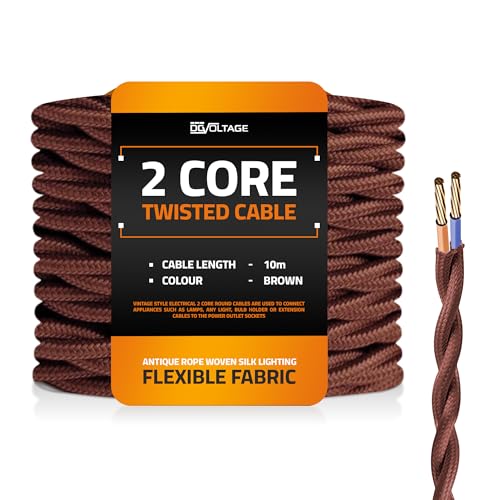
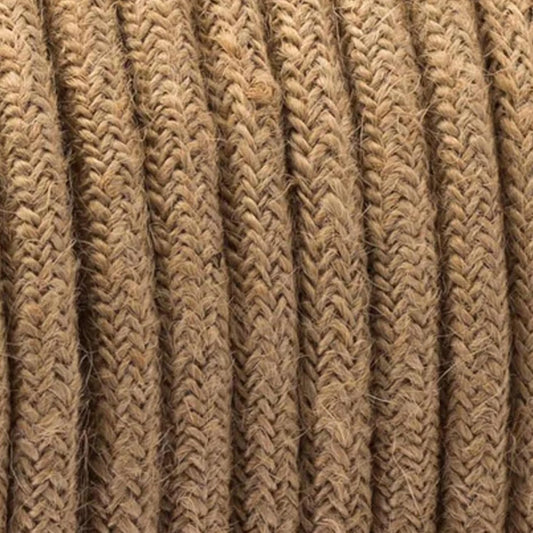
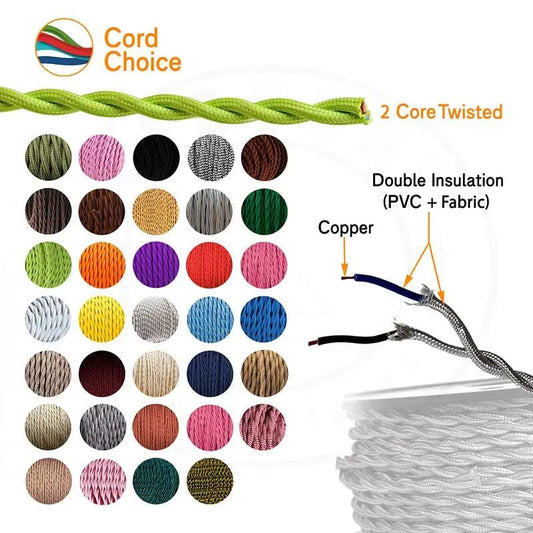
Basically, fabric electrical cables are wires wrapped in a textile covering. Instead of plain plastic, you get a woven exterior. This fabric layer isn't just for show, though it definitely adds a lot to the visual appeal. It provides an extra bit of protection, too. You'll see these used a lot in exposed wiring situations where you want something that looks good, like with pendant lights or vintage lamps. They're a step up from standard wiring, offering a more finished look.
Benefits of Using Fabric-Covered Cables
Why bother with fabric cables? Well, there are a few solid reasons:
-
Aesthetic Appeal: This is a big one. Fabric cables come in tons of colors, patterns, and textures. You can get a classic braided look, a sleek modern weave, or something totally unique. They can really change the vibe of a room, making lighting fixtures a design element rather than just functional necessities.
-
Versatility: Because they look so good, they fit into all sorts of designs. Whether you're going for a retro feel, an industrial edge, or a clean, minimalist style, there's a fabric cable to match. They're great for DIY projects where you want to customize every detail.
-
Durability: The fabric sheath adds a layer of protection against everyday wear and tear. While they aren't meant for heavy-duty industrial use, for typical home and office applications, they hold up well. It's like giving your wires a little jacket.
Aesthetic Appeal of Fabric Cables
Let's be honest, a lot of the draw is how good these cables look. Standard plastic cords can be an eyesore, especially when they're visible. Fabric cables, on the other hand, can be a deliberate design choice. You can match them to your furniture, your walls, or use them as a contrasting pop of color. They're a simple way to make a big impact on the overall look of your space. For instance, a vibrant red fabric wire can really make a statement in an otherwise neutral room. It's amazing how much difference a simple woven appliance wiring can make.
Fabric cables transform electrical wiring from a hidden necessity into a visible design feature. They offer a tactile and visual quality that standard cables simply can't match, allowing for a more personalized and stylish environment.
Core Considerations for Fabric Cables
Alright, so you've decided fabric cables are the way to go for your project. Awesome choice! But before you get too carried away picking out the prettiest color, there are a couple of really important things to think about. It's not just about looks, you know? We need to make sure it's safe and works right.
Distinguishing Between 2-Core and 3-Core Fabric Cables
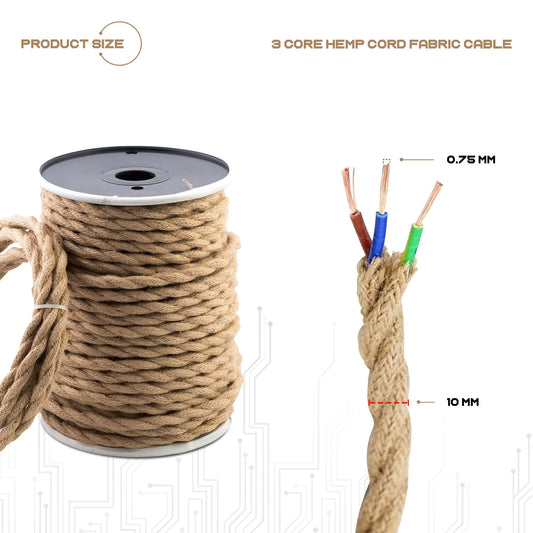
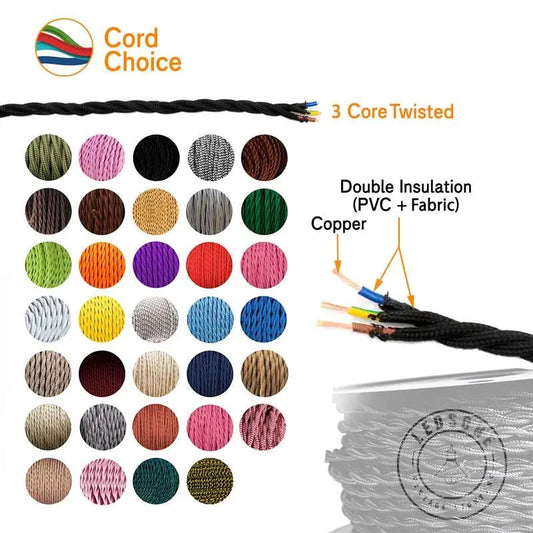
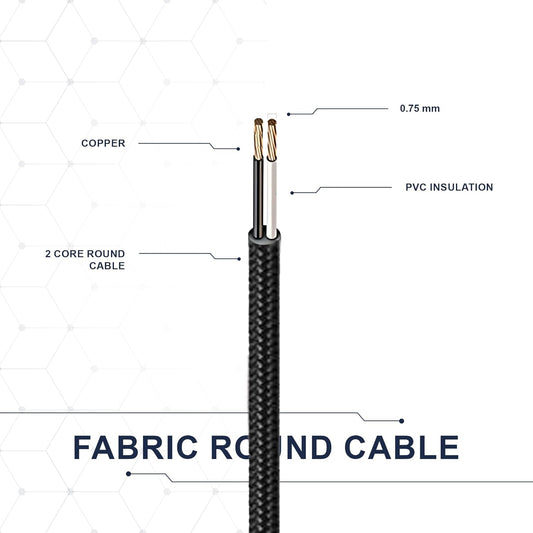
This is probably the first big question you'll run into. Think of it like choosing between a two-lane road and a three-lane highway. The "cores" are basically the wires inside the cable. A 2-core cable has two wires: one for the power (live) and one to complete the circuit (neutral). A 3-core cable has those same two wires, plus a third one – the earth wire. This earth wire is super important for safety, especially with certain types of fixtures.
When to Choose a 2-Core Fabric Cable
So, when is a 2-core cable the right pick? Basically, if your light fixture doesn't need an earth connection, a 2-core cable will do the job just fine. This often applies to fixtures made of plastic or those that are "double insulated." Double insulated means they have extra layers of protection, so they don't need that third earth wire. Using a 2-core cable is usually simpler and works well for basic lighting needs where grounding isn't a requirement.
When to Choose a 3-Core Fabric Cable
Now, a 3-core cable is your go-to when safety is a bigger concern, or when the fixture itself demands it. If you're using a metal light fixture, you absolutely need a 3-core cable. The earth wire connects to the metal casing, providing a path for electricity to go safely into the ground if something goes wrong, like a wire coming loose. This is also a good idea for fixtures in areas where there's more moisture, like bathrooms or even some outdoor setups, just to be extra safe. It's always better to have that extra layer of protection if there's any doubt.
Here's a quick rundown:
-
2-Core Cable:
-
Has Live and Neutral wires.
-
Suitable for non-metal, double-insulated fixtures.
-
Simpler for basic lighting.
-
-
3-Core Cable:
-
Has Live, Neutral, and Earth wires.
-
Required for metal fixtures.
-
Recommended for damp environments or when extra safety is desired.
-
Choosing between 2-core and 3-core isn't just a technicality; it's about making sure your lighting setup is safe and functions as it should. Always check the requirements of your light fixture and the environment where it will be installed.
Selecting the Right Fabric Cable Style
When you're picking out fabric cables for a project, especially those cool vintage style lamp cords, you've got a couple of main looks to choose from: twisted or round. Each one brings a different vibe to your setup, so it's good to know what you're getting into.
The Charm of Twisted Fabric Cables
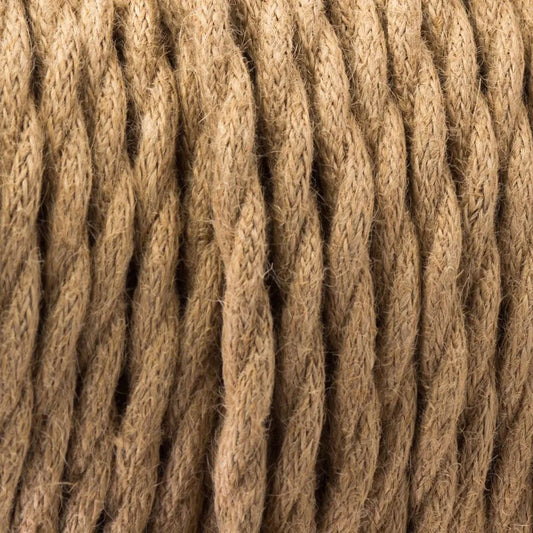
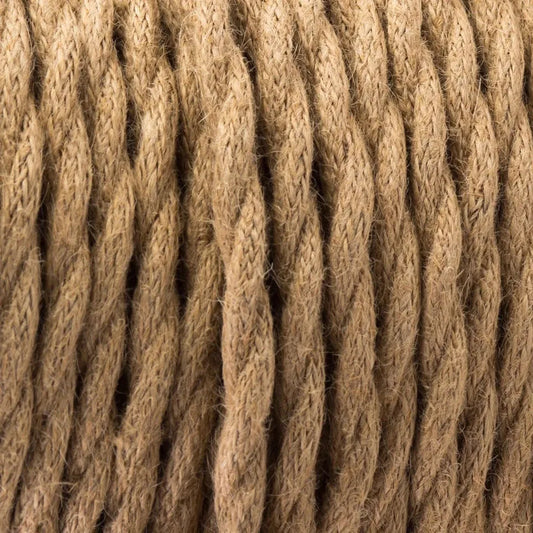
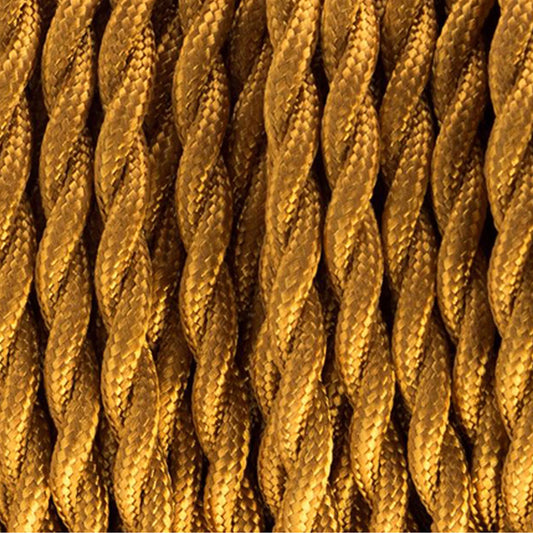
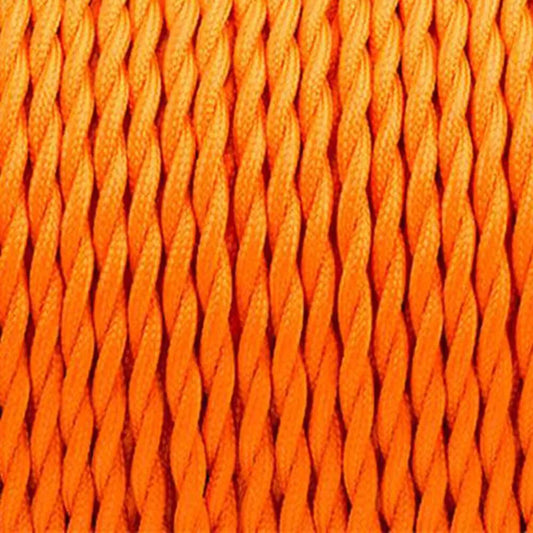
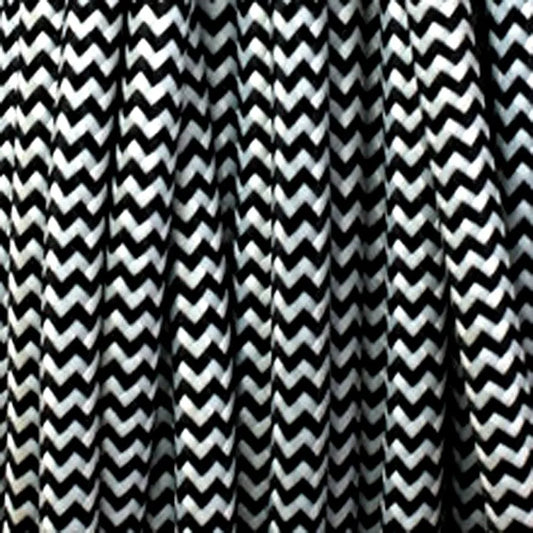
Twisted fabric cables have this classic, almost old-school feel. The way the wires are braided together gives them a bit of texture and visual interest. They're fantastic for that retro or industrial look. Think exposed LED bulbs hanging from the ceiling or a cool pendant light over your kitchen island. They just add a certain something, you know?
-
Adds texture and visual depth.
-
Perfect for vintage, industrial, or bohemian styles.
-
Can make a simple fixture look more intentional.
The Clean Look of Round Fabric Cables
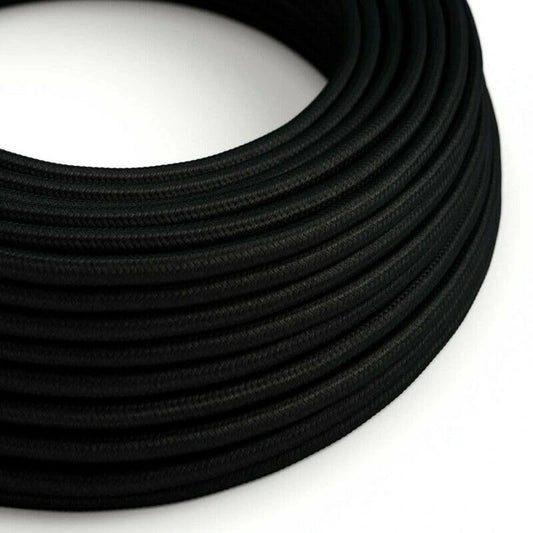
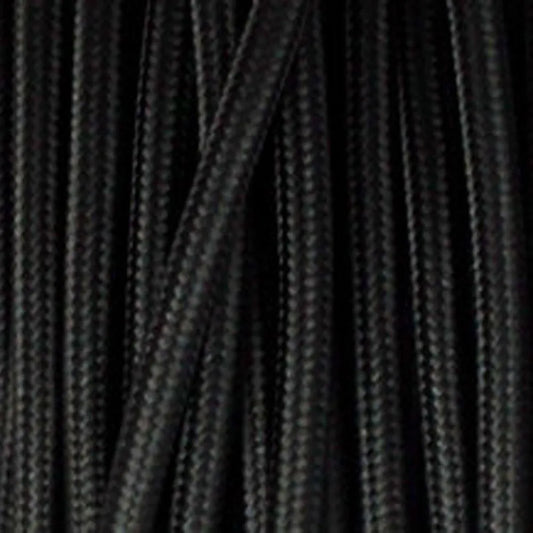
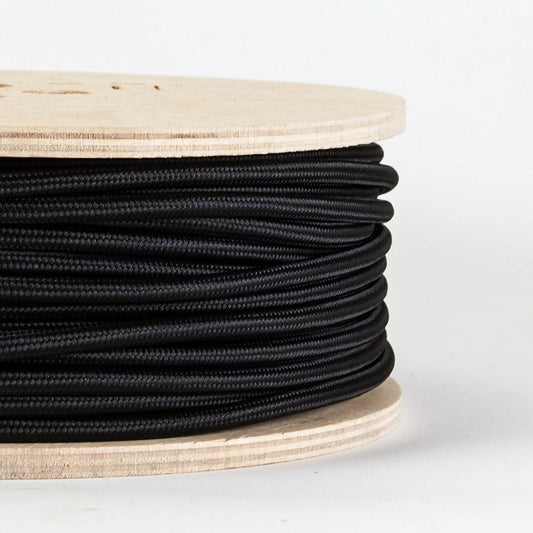
On the other hand, round fabric cables offer a sleeker, more modern appearance. They lay pretty flat and have a smooth finish. If you're going for a minimalist vibe or something that blends in a bit more, round cables are usually the way to go. They're great for when you want the light fixture itself to be the star, not the cord.
-
Provides a smooth, clean line.
-
Works well with contemporary and minimalist designs.
-
Less visually obtrusive than twisted cables.
Choosing Between Twisted and Round Styles
So, how do you decide? It really comes down to the overall aesthetic you're aiming for. If you want that distinct, decorative flair, twisted is probably your best bet. It's a statement piece in itself. But if you need something more understated, something that just gets the job done without drawing too much attention, then round is likely the better choice.
Here’s a quick rundown:
| Style | Best For | Vibe |
|---|---|---|
| Twisted | Vintage lamps, pendant lights, exposed bulbs | Retro, industrial, textured, decorative |
| Round | Modern fixtures, minimalist setups, subtle look | Clean, sleek, contemporary, understated |
Ultimately, the choice between twisted and round fabric cables is about matching the cable's personality to your project's design goals. Don't be afraid to experiment; sometimes the unexpected choice can lead to the most interesting results.
Key Factors in Fabric Cable Selection

Alright, so you've decided fabric cables are the way to go for your project – awesome choice! But before you grab the first pretty one you see, there are a few things to think about to make sure it's the right fit, both for looks and for safety. It’s not just about the color, though that’s important too.
Assessing Grounding Requirements
This is a big one, and honestly, it's where a lot of people can get tripped up. You need to figure out if your light fixture or appliance actually needs a ground wire. Most modern, metal-cased items will have a three-prong plug, which tells you it needs that third wire – the earth or ground. If your fixture is plastic or double-insulated, it might only need a two-core cable. Always check the fixture itself and its manual to be sure. Using the wrong cable here isn't just a minor oops; it's a serious safety hazard.
-
Metal-cased fixtures: Almost always require a 3-core cable for safety.
-
Plastic or double-insulated fixtures: Often suitable for 2-core cables.
-
Check the plug: A three-prong plug means you need a ground wire.
Don't guess when it comes to grounding. If you're unsure, it's always better to err on the side of caution and use a 3-core cable. It's a small detail that makes a huge difference in preventing electrical shocks.
Understanding Cable Thickness and Load Capacity
Fabric cables come in different thicknesses, and this isn't just for show. The thickness, often measured in millimeters squared (mm²), directly relates to how much electrical current the cable can safely handle. This is called its load capacity. You don't want to overload a thin cable; it can overheat and become a fire risk. For simple pendant lights or small lamps, a thinner cable might be fine. But if you're powering something more demanding, you'll need a thicker cable with a higher load capacity. You can usually find this information on the cable's packaging or the manufacturer's specifications.
Here’s a general idea:
| Cable Size (mm²) | Typical Use Case |
|---|---|
| 0.50 - 0.75 | Low-power lamps, decorative lighting |
| 1.00 - 1.50 | General lighting, small appliances |
| 2.50+ | Higher-power appliances, fixed wiring |
Matching Cable Color to Your Design
Okay, this is where the fun part comes in! Fabric cables are fantastic because they offer so many color and texture options. Think about the overall vibe you're going for. Are you aiming for a retro feel? Maybe a classic braided black or a vibrant red twisted cable would work. For a more modern, minimalist look, a simple round grey or white cable might be perfect. Consider the other colors in the room – the walls, furniture, and other decor. The cable can be a subtle accent or a bold statement piece. Don't be afraid to experiment with different shades and patterns to really tie your design together.
Applications for Fabric Cables

Fabric electrical cables aren't just for show; they're super useful in all sorts of places. Think about how much better a simple pendant light can look when it's hanging from a cool, colorful textile power cord instead of a boring white plastic one. It really makes a difference, especially in kitchens or over a dining table.
Lamps, too, get a serious style boost. Swapping out an old, worn-out cord for a nice braided extension cord can make an old lamp feel brand new. It's a small change that adds a lot of personality, whether you're going for a retro vibe or something more modern.
Enhancing Home Lighting with Fabric Cables
-
Pendant Lights: These are prime candidates for fabric cables. A vibrant cord can turn a basic pendant into a statement piece in your living room or entryway.
-
Table and Floor Lamps: Give your favorite lamps a makeover. A fabric cord can match your decor or provide a pop of color.
-
DIY Projects: Building your own light fixture? Fabric cables are the perfect finishing touch, making your creation look professional and stylish.
Using fabric cables in your home lighting is a simple way to add character and a custom feel without needing an electrician for most basic lamp rewiring.
Elevating Commercial Spaces with Fabric Cables
Commercial spots can really benefit from these decorative electrical wires. In a cafe, for instance, a warm, woven cord can add to the cozy atmosphere. Restaurants can use them to match their theme, whether it's industrial chic or a more classic look. Even in an office, especially in common areas or meeting rooms, they can make the space feel more inviting and less sterile.
| Space Type | Potential Application |
|---|---|
| Retail Showrooms | Highlighting merchandise with stylish pendant lighting |
| Restaurants/Cafes | Creating ambiance with themed lighting |
| Boutiques | Adding a unique design element to displays |
| Offices (Common Areas) | Making spaces feel more welcoming and modern |
Creative Workspaces and Fabric Cables
For places where creativity happens, like art studios or design offices, fabric cables are a natural fit. They can add a bit of fun and inspiration to the environment. Imagine a studio with exposed bulbs hanging from brightly colored textile power cords – it just sparks more ideas, right? It shows attention to detail and makes the space feel more personal and less corporate. These aren't just wires; they're part of the design.
Ensuring Safe Fabric Cable Installation
Working with any electrical component, including those stylish fabric cables, means safety has to be the top priority. It’s not just about making things look good; it’s about making sure nobody gets a shock or starts a fire. So, let's talk about how to get it right.
UK Cable Colour Coding Standards
If you're in the UK, you'll want to pay attention to the standard wire colors. It’s a system designed to keep things clear and safe. For a 3-core cable, you'll typically find:
-
Brown: This is your Live wire.
-
Blue: This is your Neutral wire.
-
Green/Yellow: This is your Earth wire.
For 2-core cables, you'll only have the Live (brown) and Neutral (blue) wires. Sticking to these colors helps prevent mix-ups during installation. It’s a simple step, but it really matters.
Safety Considerations for Fabric Cables
When you're using something like cloth covered wire, there are a few extra things to keep in mind. First off, always check the cable's rating. Make sure it can handle the power load of the fixture you're connecting it to. You don't want to overload it. Also, inspect the fabric covering for any nicks or frays before you start. If it looks damaged, it's best to get a new one. Never try to use a damaged cable.
When planning your installation, think about how the cable will be routed. Avoid sharp bends or areas where it might get pinched. Protecting the cable from physical damage is just as important as using the correct wiring colors. Consider using cable management solutions if needed, like those that help tidy up your setup planning the cable route.
Compliance with Electrical Regulations
Beyond just the color codes, there are broader electrical regulations you need to follow. These rules are in place to protect people and property. Depending on where you are and the type of installation, you might need to consult local building codes or specific electrical standards. If you're unsure about any part of the process, it's always a good idea to get advice from a qualified electrician. They can help make sure everything is up to snuff and safe for everyone.
Wrapping It Up
So, we've gone over the ins and outs of fabric electrical cables, from the simple 2-core to the more robust 3-core options, and looked at both the round and twisted styles. Picking the right one really comes down to what you're trying to do and what looks good in your space. These cables aren't just about getting power from point A to point B; they can actually add a lot to the overall vibe of a room. Hopefully, this guide has made it a bit clearer on how to choose and use them for your next project. Happy wiring!
Frequently Asked Questions
What exactly are fabric electrical cables?
Fabric electrical cables are like regular wires, but they have a cool fabric or cloth cover on the outside. This makes them look way better than plain plastic wires, and they're often used for lights where you can see the cord.
Why would I want to use a fabric cable instead of a normal one?
Fabric cables look really stylish and can add a special touch to your room's decor, kind of like adding a cool accessory. They come in lots of colors and patterns, and the fabric also gives them a bit of extra protection.
What's the difference between a 2-core and a 3-core fabric cable?
A 2-core cable has two wires inside (hot and neutral), and it's used for lights that don't need to be grounded, like plastic lamps. A 3-core cable has three wires (hot, neutral, and ground), which is safer for metal lights or in places like bathrooms where you need that extra safety.
When should I pick a 2-core cable?
You should choose a 2-core cable when your light fixture is made of plastic or is 'double-insulated,' meaning it already has extra safety built-in and doesn't need a grounding wire.
When is a 3-core cable the better choice?
A 3-core cable is the way to go if your light fixture is made of metal, or if you're installing it in a place that might get wet, like a bathroom or outside. The third wire (the ground wire) is super important for safety in these situations.
Do the colors of the wires inside the cable matter?
Yes, they totally matter, especially in places like the UK! Each color has a job: brown is for the 'live' wire, blue is for the 'neutral' wire, and green and yellow stripes are for the 'earth' or ground wire. Getting these right is key for safe electrical work.
 Google Review