Best Lighting for Low Ceilings: Top Picks and What to Avoid
Key Takeaways
Carefully selecting your fixtures is essential when your room height is restricted. Taking the right approach ensures you maintain both functionality and aesthetic appeal while preventing the space from feeling cramped.
- Prioritize low-profile solutions like flush mounts to gain more vertical clearance.
- Distribute light evenly to eliminate shadows that make ceilings appear lower.
- Use multiple layers of light—ambient, task, and accent—to create depth.
- Measure twice before installing semi-flush fixtures to ensure they remain safe.
- Choose dimmable options to adjust the room ambiance for different times of day.
Understanding the challenges of low ceiling lighting
When dealing with restricted headroom, the primary goal of any lighting scheme is to preserve a sense of spaciousness. In many older homes or modern basements, low ceilings can easily make a room feel closed in if the wrong hardware is selected. By understanding how shadows and light beams interact with your walls, you can prevent the ceiling from feeling like it is pressing down on the inhabitants.
The visual impact of limited vertical clearance
Low ceilings inherently limit your ability to use statement pieces, but this does not mean you have to abandon style for utility. When you install fixtures that hang too far into the living area, you create a visual barrier that segments the room. By keeping the sightlines clear, you ensure that the entire volume of the room remains visible and integrated.


How light distribution affects perceived ceiling height
Lighting should ideally be directed outward and upward rather than focused solely downward. Focusing light on the ceiling itself or the upper portions of your walls can create an illusion of increased height, making the room feel far more expansive than its structural dimensions suggest. Using light to wash the corners effectively pushes back the negative space that often gathers in dim areas.
Managing dark corners and shadows in restricted spaces
Darkness in the corners of a room serves as a visual boundary that emphasizes the low ceiling. To combat this, you need to ensure lighting coverage reaches every edge of your space. This approach helps in blending the wall-to-ceiling transition, which is vital for softening sharp architectural edges that might otherwise highlight the lack of height.
Top lighting fixture choices for low ceilings
Finding the right hardware is where your design strategy becomes reality. At Ledsone, you can discover a massive variety of lighting solutions that cater specifically to these spatial constraints.
Pros and cons of flush mount fixtures
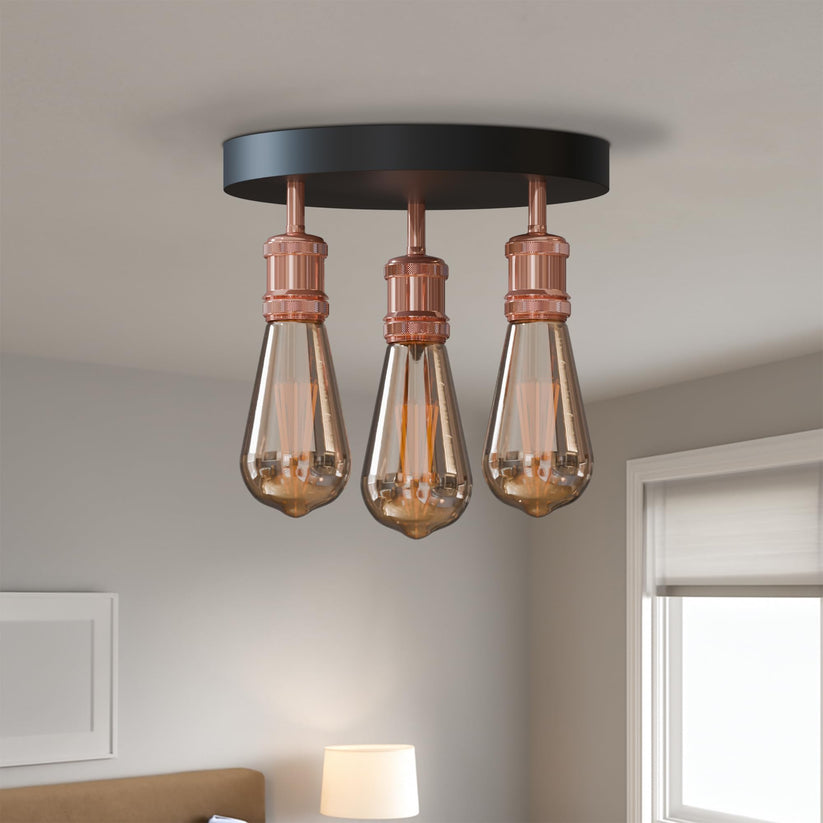
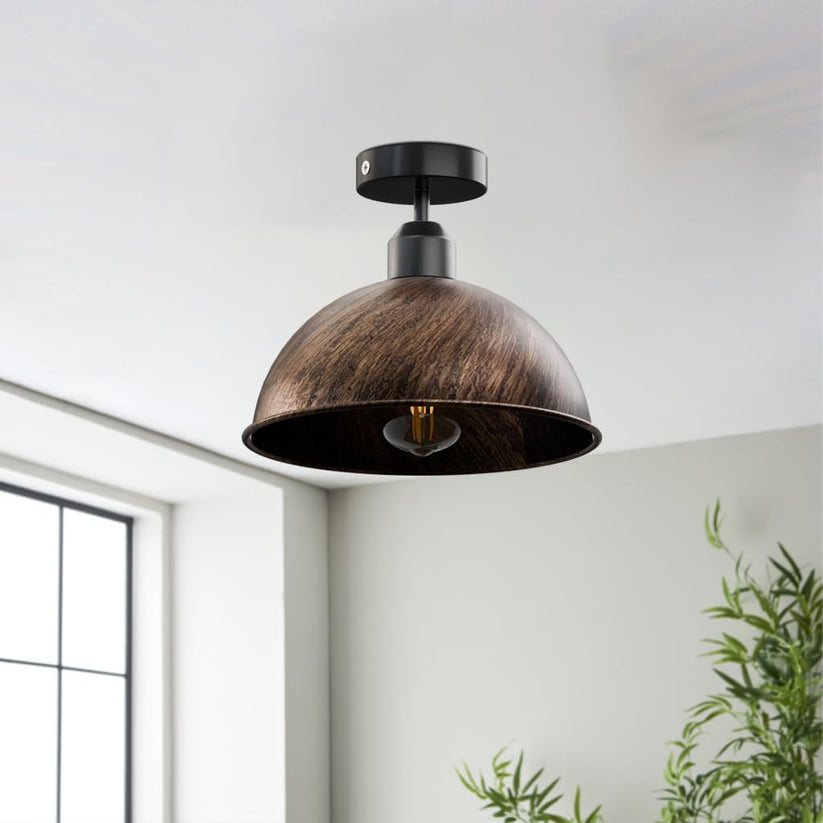
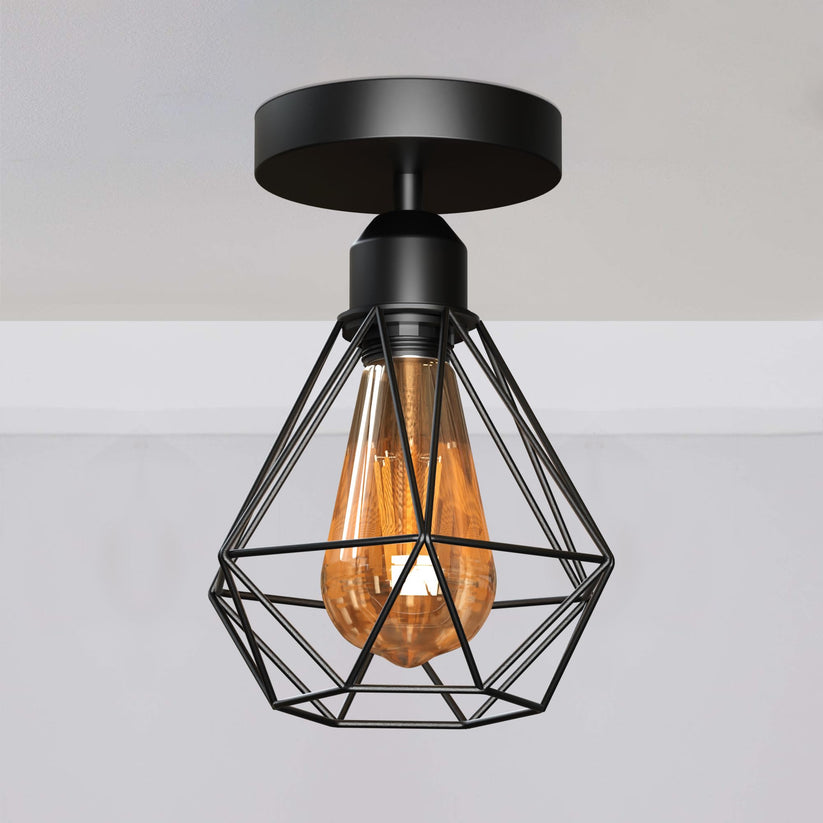
Flush mount lights are the standard for low ceiling applications because they attach directly to the ceiling surface. They maximize headroom effectively, though they can sometimes lack the decorative flair offered by larger, more intricate chandeliers. Most modern flush mount lighting for low ceilings provides a clean look that keeps the ceiling plane undisturbed.
Why semi-flush mounts require careful measurement
Semi-flush mounts offer a slight drop, which can provide a more decorative element than a strictly flush unit. However, you must verify that the clearance between the fixture and the floor remains compliant with safety standards. These fixtures are perfect for those who want a touch of elegance but need to keep their low ceiling light fixtures high enough to avoid obstructing walkways.
The streamlined appeal of recessed lighting
Recessed lighting is arguably the best choice for achieving an unobstructed, airy environment. Because they sit inside the ceiling cavity, they leave your vertical space completely untouched. You can find excellent recessed lighting for low ceilings that offers focused output without protruding downward.
Using LED track lighting for directional flexibility
LED track lighting provides a modular solution for rooms where you need to highlight specific zones without installing multiple individual fixtures. These are particularly useful when you want to wash walls with light to create a peripheral glow that distracts from the ceiling height. You might consider the following benefits of track systems:
- Allows for directional control of light beams.
- Accommodates multiple heads on a single electrical feed.
- Perfect for modern farmhouse or industrial interior themes.
- Highly efficient with modern LED integration.
Strategic placement and layout techniques
Your layout strategy is just as important as the individual fixture choice. Proper planning ensures that the light flows naturally across the surfaces of your room.
Creating vertical flow with wall washing
Wall washing utilizes light directed at vertical surfaces to soften shadows and make walls appear taller. This technique effectively highlights paint texture and color, which draws the eye horizontally rather than vertically. As noted in many lighting ideas for low ceilings, this effect is crucial for expanding the perceived volume of a room.
Avoiding glare in intimate, low-height spaces
When a light source is closer to eye level, glare becomes a significant concern. You must choose fixtures with diffusers or frosted glass that distribute light softly across the room.
Grouping light sources to minimize visual clutter
Too many small fixtures can leave a busy, chaotic ceiling surface that makes the room feel cramped. Instead of cluttering the area, group your lights logically to focus on tasks or architectural interest.
Common mistakes to avoid when choosing light fixtures
Even with the best intentions, it is easy to make errors that compromise the feel of the room. Being mindful of these pitfalls is a critical part of successful home design when dealing with constrained height.
Hanging pendant lights too low in walkways
Walking into a hanging fixture is not only frustrating but dangerous. Avoid placing pendants where people regularly pass, opting instead for wall-mounted sconces or recessed cans.
Over-relying on a single, dim central light source
A single, weak fixture in the center of the ceiling fails to illuminate the corners, resulting in an oppressive atmosphere. You need a mix of sources to truly open up a space.
Selecting oversized or bulky chandeliers
Chandeliers that are too wide or heavy for a low ceiling pull the interior volume downward. Opt for low-profile pieces that keep the space feeling open.
Using harsh, narrow-beam spotlights in living areas
Spotlights can create high-contrast harshness if they are not correctly positioned. Use wider flood-style beams for general living space illumination to keep things balanced. Consider these common errors when choosing your hardware:
| Common Mistake | Consequence | Better Alternative |
|---|---|---|
| Oversized Chandeliers | Feels claustrophobic | Flush/Semi-flush mounts |
| Low Pendants | Obstructs flow/vision | Wall sconces/lamps |
| Harsh Spotlight | High glare/contrast | Dimmable LEDs |
Choosing the right light temperature and bulb type
Temperature selection influences how large or small a room feels. Generally, color temperature has a profound effect on perceived comfort.
The effect of warm light on cozy, enclosed spaces
Warm light tends to make rooms feel smaller and more intimate, which works well for relaxation but can be detrimental in already cramped rooms. Use it sparingly to maintain a sense of openness.
When to use cooler lighting for task-heavy zones
Cooler light temperatures, often described as daylight, are better for productivity and can make small spaces feel a bit more crisp and open. They provide high clarity for tasks without the haze of over-saturated warm tones.
Benefits of energy-efficient integrated LEDs for tight spaces
Integrated LEDs are ideal because they allow for extremely thin profiles that old-school bulbs cannot match. They generate less heat and last significantly longer, which is a blessing in areas with limited ceiling access for maintenance.
Conclusion
Achieving the perfect lighting scheme for a low-ceilinged room requires a thoughtful mix of choosing the right profile and layering your sources to draw the eye where you want it. By prioritizing low-profile fixtures, utilizing wall washing techniques, and incorporating high-quality LED technology, you can successfully turn your space into a welcoming and bright environment that feels far more expansive than its structure suggests.
Frequently Asked Questions
What defines a low ceiling for lighting purposes?+
Generally, any ceiling under eight feet high is considered low. In these spaces, traditional hanging lights often feel like they take up too much vertical space.
Are chandeliers strictly forbidden in low rooms?+
Not necessarily, but you must choose carefully. Opt for wide, low-profile designs rather than long, vertical pieces that drop deep into the living space.
Why is color temperature important for low ceilings?+
Cooler temperatures can help make a room feel airier and more expansive, while warm tones emphasize intimacy and, sometimes, the cramped nature of an enclosed space.
Can I use floor lamps in a low-ceiling room?+
Absolutely, floor lamps and table lamps are excellent ways to add illumination at mid-level, which prevents the need to clutter the ceiling with too many fixtures.
What are the main benefits of recessed lighting?+
Recessed lighting is the ultimate solution for low ceilings because it is integrated into the structure, meaning it offers zero-profile light emission that preserves your vertical head clearance.
How does under-cabinet lighting help the room feel taller?+
It adds light at lower levels, drawing the eye down and across the floor. This distracts the viewer from the ceiling height and adds a layer of depth to the entire room.
Should I avoid all decorative light fixtures?+
You do not need to avoid them, but you should favor fixtures that are wider rather than taller. A stylish, wide flush mount can act as a centerpiece without sacrificing necessary space.
Tags:
Previous
10 LED Lighting Trends Taking Over American Homes in 2026
Next
How to Get Hotel-Style Lighting in Your Bedroom
Related articles
How to Match a Lamp Shade to Your Lamp Base
Aug 27 2026
DIY Guide: Wiring a New Light Fixture Safely
Aug 19 2026