












The Ultimate Guide to Choosing the Perfect Dining Room Lighting
The dining room is the heart of many homes—a place for shared meals, celebrations, and conversations. The right lighting does more than just illuminate the space; it sets the mood, defines the style, and turns a simple meal into a memorable experience. At Ledsone, we understand the power of light. This comprehensive guide will walk you through everything you need to know about selecting the perfect dining room lighting to create an inviting and functional atmosphere.
Understanding the Three Layers of Light
A well-lit dining room utilizes three distinct layers of lighting to create depth, functionality, and ambiance.
- Ambient Lighting: This is the primary source of light that provides overall illumination. In a dining room, this is typically a chandelier or a large pendant light centered over the table.
- Task Lighting: This focused light is for specific activities. With dimmable fixtures, your main fixture can double as task lighting for homework or projects, or you can use recessed lights directed at the table.
- Accent Lighting: This layer adds drama and highlights architectural features or decor, such as artwork or a buffet. Wall sconces or track lighting are excellent choices for accent lighting.
Find Your Style: Types of Dining Room Fixtures
The centerpiece of your dining room is the main light fixture. Choosing the right style can transform your space. Consider these popular options from our collection of stylish dining room fixtures.
Chandeliers: Timeless Elegance
A timeless classic, a chandelier adds elegance and a strong focal point. From grand, traditional designs to sleek, modern light fixtures, there’s a chandelier for every aesthetic.
Pendant Lighting: Versatility and Statement
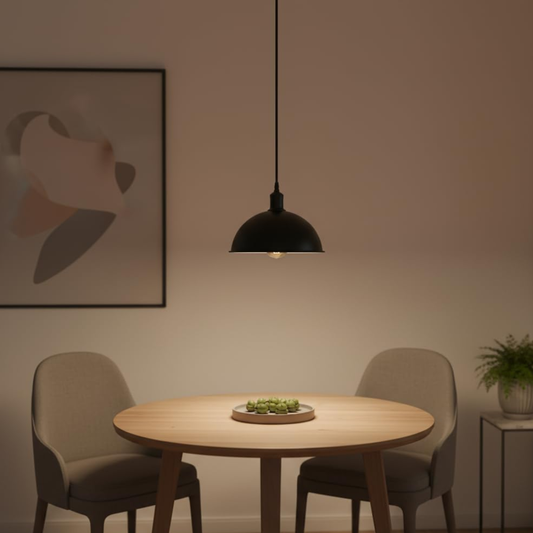
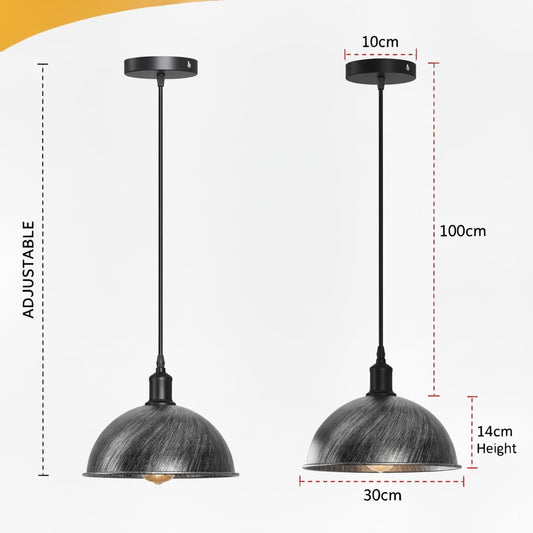
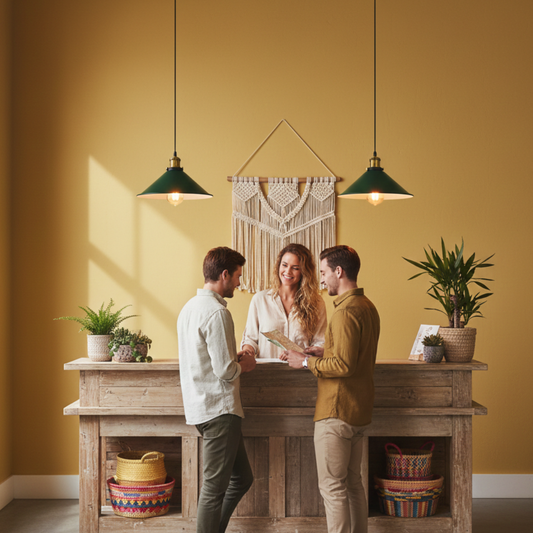
Pendant lights offer incredible versatility. A single, oversized pendant makes a bold statement, while a series of smaller pendants can create a stunning linear effect over a long table. They are a perfect choice for contemporary and industrial styles.

The Rules: Dining Room Light Fixture Sizing & Placement
Getting the scale and placement right is crucial for a balanced and functional design. Follow these simple rules for perfect positioning.
| Rule | Guideline | Purpose |
|---|---|---|
| Fixture Width | The diameter of your fixture should be approximately 1/2 to 3/4 the width of your dining table. | Prevents the light from overpowering the table or feeling too small. |
| Hanging Height | Hang the bottom of the fixture 30-36 inches above the tabletop. | Ensures it creates intimacy without obstructing views across the table. |
| Clearance | Ensure there's at least 48 inches of space from the fixture to the nearest wall. | Maintains a balanced and spacious look in the room. |
The Power of LED and Color Temperature
Modern LED dining room lights are the superior choice for efficiency, longevity, and control. When choosing your bulbs, pay close attention to the color temperature, measured in Kelvin (K).
3000K vs 4000K: What's the Difference?
The lighting temperature 3000K vs 4000K debate is common. For a dining room:
- 3000K (Warm White): This is the most popular choice. It casts a soft, warm, and inviting glow that is flattering to people and food, creating a cozy and intimate ambiance. It's perfect for relaxing dinners.
- 4000K (Cool White): This light is brighter and more neutral, resembling natural daylight. It’s excellent for dining rooms that double as workspaces or for a crisp, modern aesthetic.
For the ultimate flexibility, choose dimmable fixtures, such as our rustic Hemp Rope Pendant Ceiling Light. This allows you to adjust the brightness from bright for tasks to low for mood-setting.

People Also Ask (FAQ)
What type of lighting is best for a dining room?
The best approach is **layered lighting**: a central ambient fixture (chandelier or pendant), complemented by accent lighting (like wall sconces), and task lighting (often achieved with a dimmer on the main fixture) for functionality.
What is the trend for dining room lighting?
Current trends include large-scale statement pendants, linear fixtures over rectangular tables, natural materials like wood and rope, and smart LED dining room lights that offer dimmability and color temperature control.
Is 3000K or 4000K better for a dining room?
For a warm, cozy, and traditional dining atmosphere, **3000K is ideal**. For a brighter, more modern feel, or if your dining room is a multi-purpose space, **4000K is a great choice**. The best option often comes down to personal preference and room decor.
Illuminate Your Dining Experience
Choosing the right dining room lighting is a key step in designing a space you'll love. By considering style, size, placement, and the quality of light, you can create the perfect ambiance for any occasion. Ready to find the perfect centerpiece for your home?
 Google Review