






Illuminate Your Culinary World: A Complete Guide to Kitchen Lighting
The kitchen is more than just a place to cook; it's the heart of the home, a hub of activity where families gather, meals are shared, and memories are made. The right lighting can transform this functional space into a warm, inviting, and highly efficient environment. A well-designed lighting plan not only enhances the aesthetics of your kitchen but also improves safety and functionality. At Ledsone.us, we understand the power of light, and this guide will illuminate the path to your perfect kitchen setup.
The Three Layers of Perfect Kitchen Lighting
Professional designers use a layered approach to create a balanced and versatile lighting scheme. This involves combining three distinct types of lighting: ambient, task, and accent.
1. Ambient Lighting: The Foundation
Ambient lighting provides the overall illumination for the room. It's the general, uniform light that fills the space, allowing you to navigate safely and comfortably. This is your primary light source, setting the foundational tone of the kitchen.
- Fixtures: Recessed downlights, flush-mount or semi-flush-mount ceiling fixtures, or large chandeliers are common choices for ambient light.
- Goal: To create a soft, welcoming glow throughout the entire kitchen. Dimmers are highly recommended for ambient fixtures to adjust the mood from bright and energetic to calm and relaxed.
2. Task Lighting: The Workhorse
This is arguably the most critical layer in a kitchen. Task lighting provides focused, brighter light for specific work areas where you perform daily chores like chopping vegetables, reading recipes, and washing dishes. It eliminates shadows and reduces eye strain, making your kitchen safer and more efficient.
- Under-Cabinet Lighting: LED strips or puck lights installed under your upper cabinets are a must-have. They illuminate countertops directly, providing clear, shadow-free light for all your prep work.
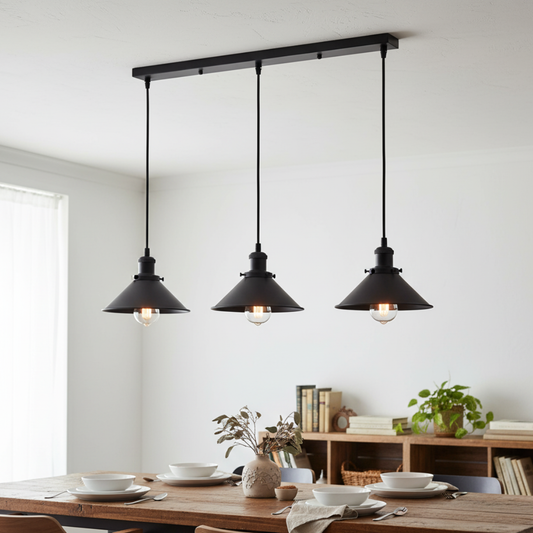
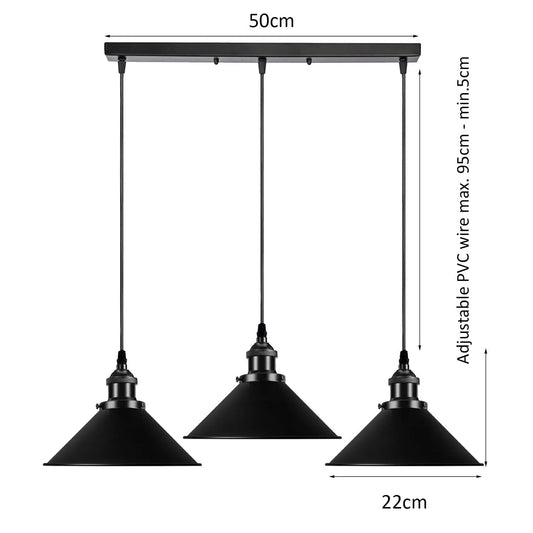
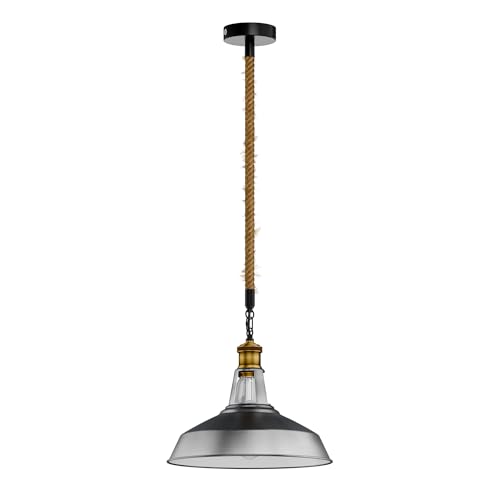
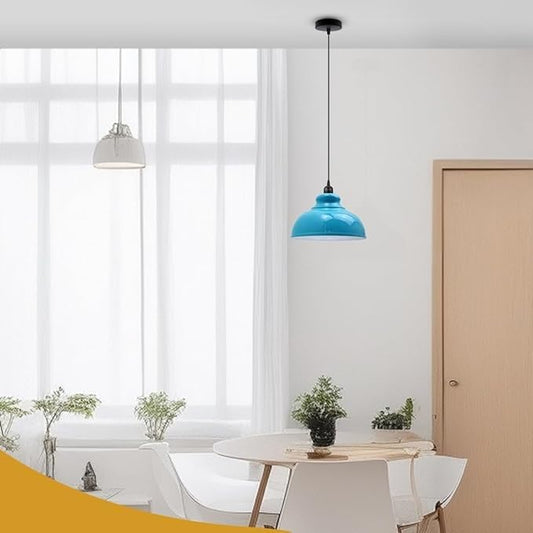
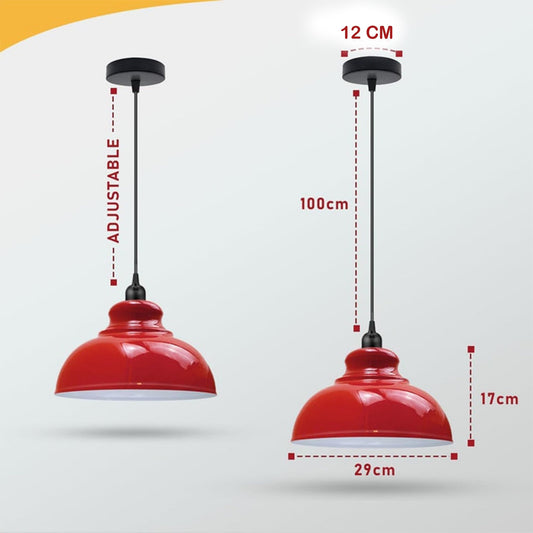
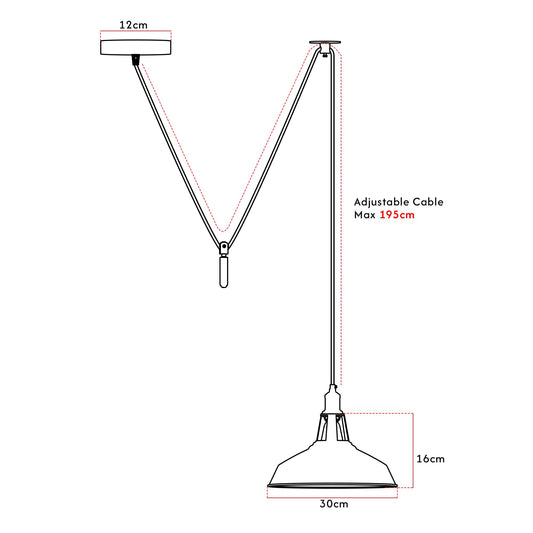
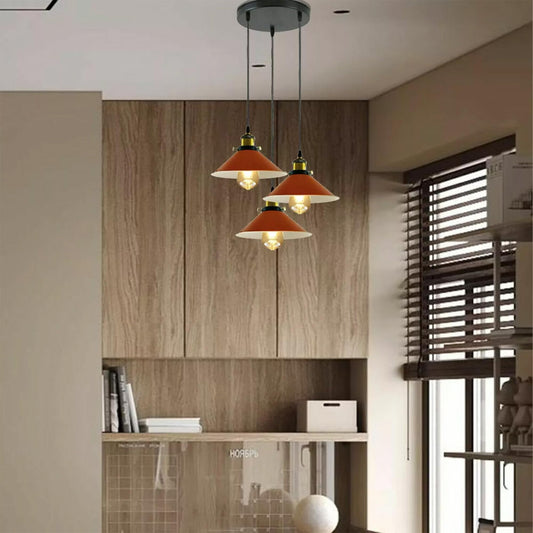
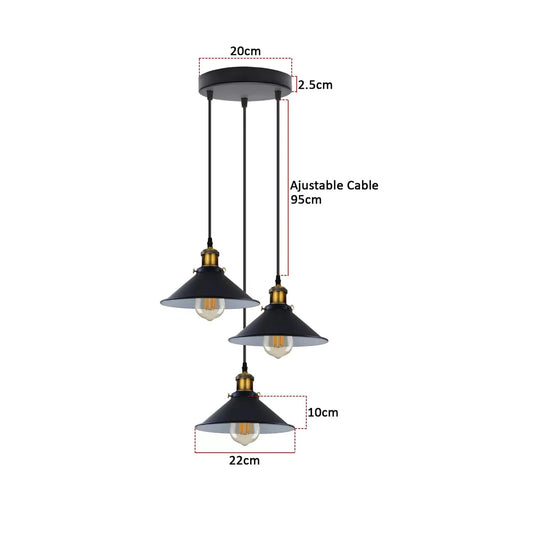
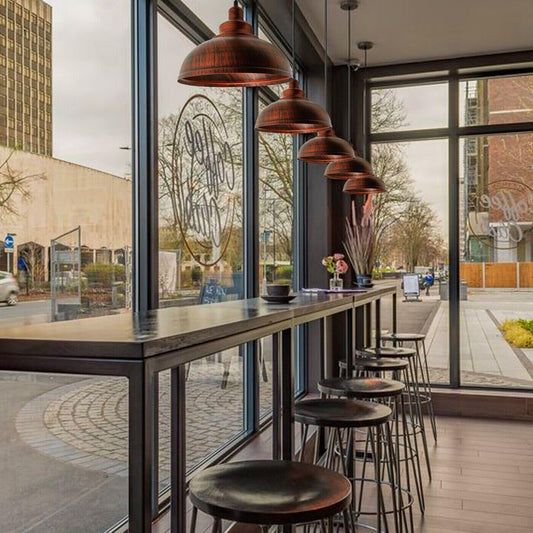
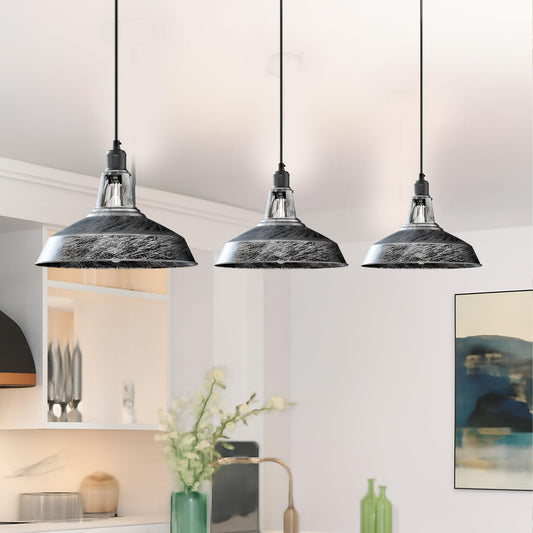
- Pendant Lights: Hanging a series of stylish pendant lights over a kitchen island or peninsula is a perfect way to combine task lighting with decorative flair. They provide direct light for tasks performed on the island and act as a stunning focal point.

3. Accent Lighting: The Finishing Touch
Accent lighting adds depth, dimension, and personality to your kitchen. Its purpose is to draw the eye to specific features you want to highlight, such as beautiful cabinetry, artwork, or architectural details.
- Fixtures: In-cabinet lighting (especially with glass-front doors), track lighting aimed at a feature wall, or elegant wall lights can serve as accent lighting.
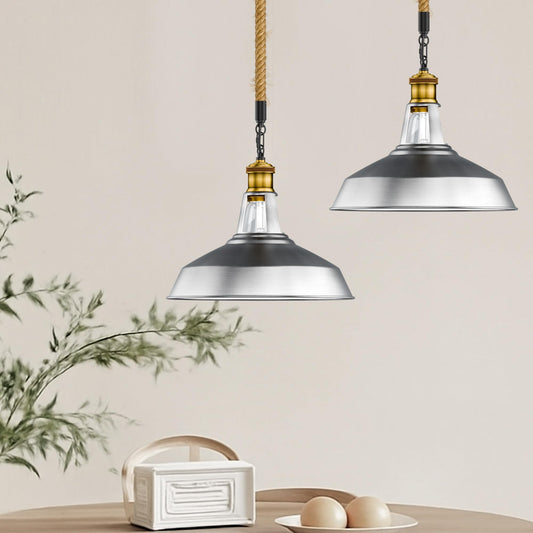
- Style: A unique fixture can itself be an accent piece. A rustic fixture adds a touch of warmth and character, making a statement even when turned off.

Mastering the Technicals: Choosing the Right LED
Not all LEDs are created equal. To achieve the perfect kitchen ambiance and functionality, you need to understand three key specifications: lumens, color temperature (Kelvin), and Color Rendering Index (CRI).
Lumens (Brightness): Forget watts; lumens measure the actual brightness of a light. For a kitchen, you'll need different levels for different layers:
- Ambient Lighting: Aim for 30-40 lumens per square foot.
- Task Lighting: You'll want much brighter light, around 70-80 lumens per square foot in work areas.
Color Temperature (Kelvin): Measured in Kelvin (K), this determines if the light appears warm (yellowish) or cool (bluish).
- 2700K-3000K (Warm White): Creates a cozy, inviting atmosphere. Ideal for dining areas and general ambient light.
- 3500K-4000K (Neutral/Cool White): A crisp, bright white that's excellent for task areas like countertops and sinks, as it improves visibility and alertness.
- 5000K+ (Daylight): A very cool, blue-toned light. While some prefer it for high-concentration task areas, it can feel sterile for general kitchen use.
Color Rendering Index (CRI): CRI measures how accurately a light source reveals the true colors of objects. In a kitchen, this is crucial—you want your fruits and vegetables to look fresh and vibrant. Always choose LEDs with a CRI of 90 or higher for the most natural and accurate color representation.
Lighting Key Kitchen Zones
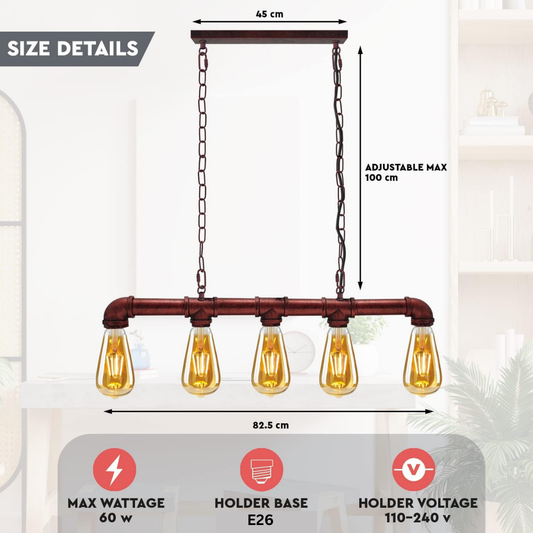
The kitchen island is often the centerpiece of the room, and lighting it correctly is key. It's a multifunctional space used for everything from food prep to homework. A row of beautiful kitchen island hanging lights provides both essential task lighting and a powerful design statement. The number of pendants depends on the size of your island; a common rule is to space them about 24-30 inches apart.

Modern Trends in Kitchen Lighting
Kitchen lighting is constantly evolving. Today's trends focus on combining style, technology, and efficiency.
- Statement Pendants: Large, bold, or uniquely shaped pendants are being used to define the kitchen's style. Industrial, farmhouse, and minimalist designs are particularly popular.
- Smart Lighting: The ability to control your lights with your voice, a smartphone app, or automated schedules adds a new level of convenience. Adjust brightness and even color temperature on the fly to suit any activity.
- Energy Efficiency: LED technology is the standard for a reason. LEDs use up to 80% less energy than traditional bulbs and can last for tens of thousands of hours, saving you money on your energy bills and replacement costs.
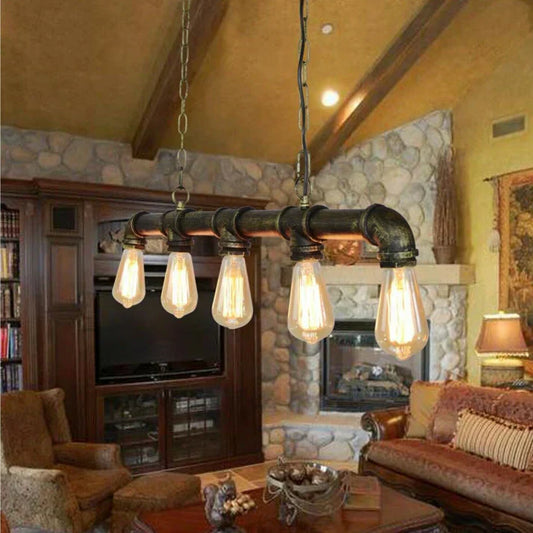
An exposed conduit fixture can bring a chic, industrial edge to a modern kitchen, proving that lighting can be both functional and a work of art.

Your Perfect Kitchen Awaits
By implementing a layered lighting strategy and selecting high-quality LEDs with the right specifications, you can create a kitchen that is beautiful, functional, and perfectly tailored to your lifestyle. From focused task lighting for culinary creations to warm ambient light for evening conversations, every element plays a vital role.
Ready to transform your kitchen? Explore the extensive collection of high-quality, stylish LED fixtures at Ledsone.us and start building the kitchen of your dreams today.
 Google Review