







Lighting Accessories: Making Your Space Feel Just Right
Thinking about how to make your place feel just right? Lighting accessories are a big part of that. They’re not just about making things bright; they really change how a room feels and how you use it. We'll look at the main types of lighting and how the right accessories can make a difference in your home.
Key Takeaways
- Ambient lighting sets the general mood and brightness of a room, like ceiling lights or floor lamps.
- Task lighting focuses light on specific areas for activities like reading or cooking, using things like desk lamps or under-cabinet lights.
- Accent lighting highlights specific features, like artwork or architectural details, using spotlights or wall sconces to add visual interest.
Understanding The Core Components Of Lighting Accessories

When we talk about lighting accessories, it's easy to get lost in all the fancy fixtures and smart bulbs. But really, it all comes down to a few basic ideas that make up how we light our homes. Think of it like building blocks. You've got the main job of lighting the room, then the specific jobs for certain activities, and finally, the bits that make things look good. Getting these right is super important for making your space feel just right.
Ambient Lighting: Setting The Overall Mood
Ambient lighting is basically the main light source for a room. It's what gives you that general glow, making it safe to walk around without bumping into things. It's not about being super bright or focused; it's more about creating a comfortable background light. Things like ceiling lights, chandeliers, or even well-placed floor lamps can do this job. The goal here is to get a nice, even light that feels good and sets the tone for the whole space. It’s the foundation for everything else.
Task Lighting: Illuminating Specific Activities
Task lighting is all about focusing light where you need it for specific jobs. You know, like when you're reading a book, cooking in the kitchen, or working at your desk. This kind of light is usually brighter and directed so it cuts down on shadows and makes it easier to see what you're doing. Think desk lamps, under-cabinet lights in the kitchen, or a pendant light over your workbench. Good task lighting means less eye strain and makes doing those detailed jobs way easier. It’s a really practical part of any lighting setup. You'll often find that the part holding the bulb, like an e26 bulb socket, is designed to direct this focused light effectively.
Accent Lighting: Highlighting Key Features
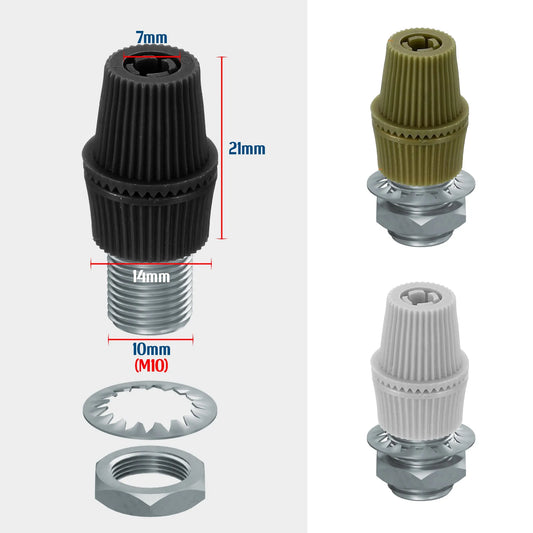
Accent lighting is where you get to play with making things stand out. This is the light you use to draw attention to specific things you want people to notice – maybe a piece of art, a cool architectural feature, or even a plant. It’s usually brighter than the ambient light and is used in a more focused way, like with spotlights or track lighting. This type of lighting adds depth and interest to a room, making it feel more dynamic. It’s like putting a spotlight on your favorite things. You might use a small, directional fixture with a secure cord grip to position it just right.
Getting the balance between these three types of lighting is key. Too much of one and not enough of another can make a room feel off. It's about layering them so they work together to create a space that's both functional and looks great.
Enhancing Your Space With Strategic Lighting Accessories

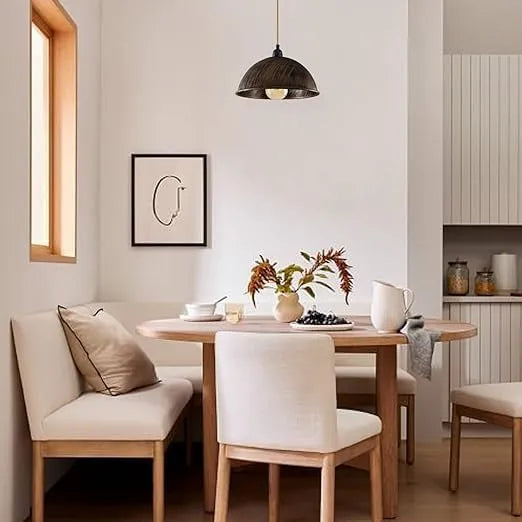
Lighting accessories are the unsung heroes of home illumination. They’re not just about function; they’re about personality and style. Think of them as the jewelry for your light fixtures. A simple LED bulb can be transformed with the right lamp shade, changing the whole feel of a room. We often focus on the main light source, but the accessories are what really let you fine-tune the atmosphere.
The Role Of Lighting In Interior Design
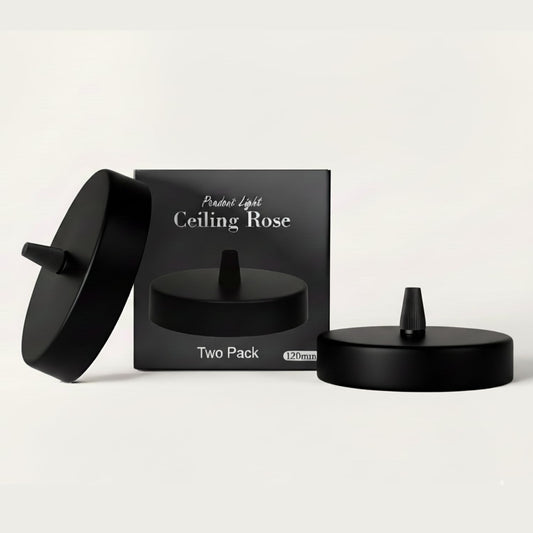
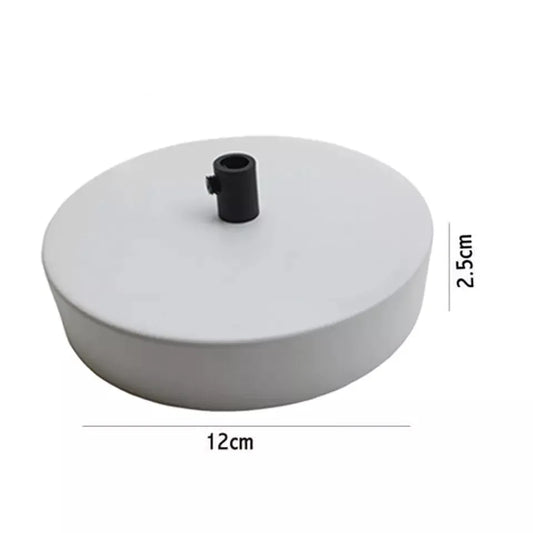
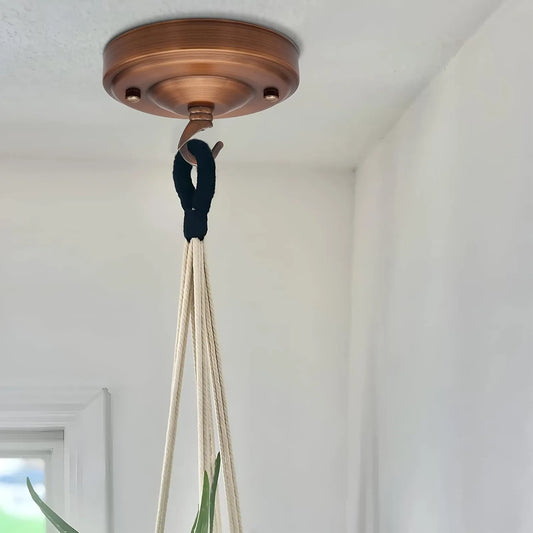
Lighting plays a huge part in how a room feels. It can make a small space seem bigger or a large room feel cozier. The right accessories help you achieve these effects. For instance, a well-chosen ceiling rose can add a decorative touch to an otherwise plain ceiling, drawing the eye upward and adding architectural interest. It’s these little details that make a big difference in the overall aesthetic.
Functional Necessities Of Home Lighting
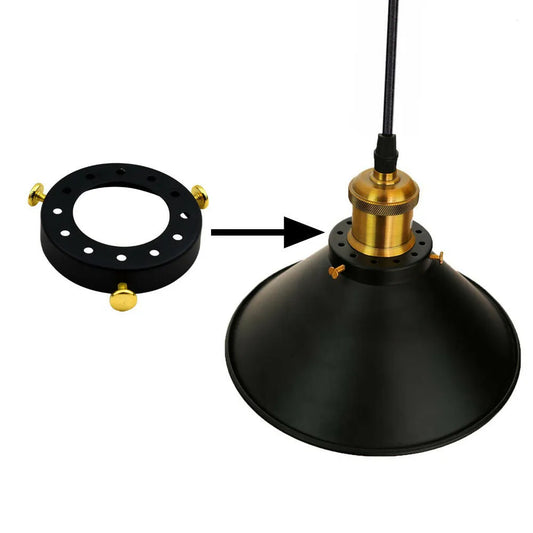
Beyond looks, lighting accessories are super practical. They ensure your lights work correctly and safely. The lamp holder, for example, is what connects the bulb to the power source. It needs to be sturdy and compatible with your bulb type. Then there are shades, like the popular black metal cage lamp shade, which not only diffuse light but also protect the bulb and add a specific style, often leaning towards industrial or modern looks.
Here’s a quick look at some common accessories and their uses:
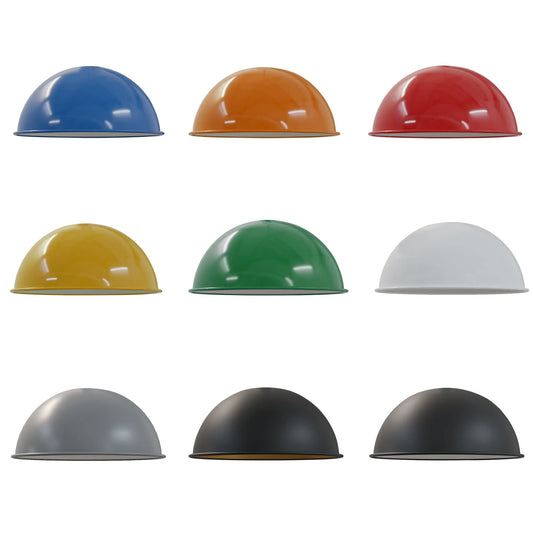
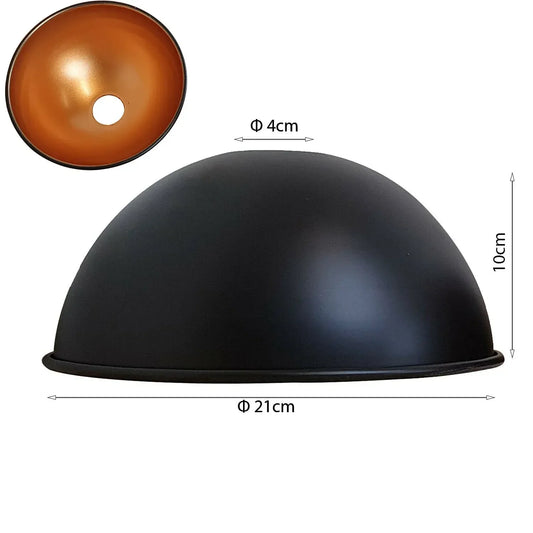
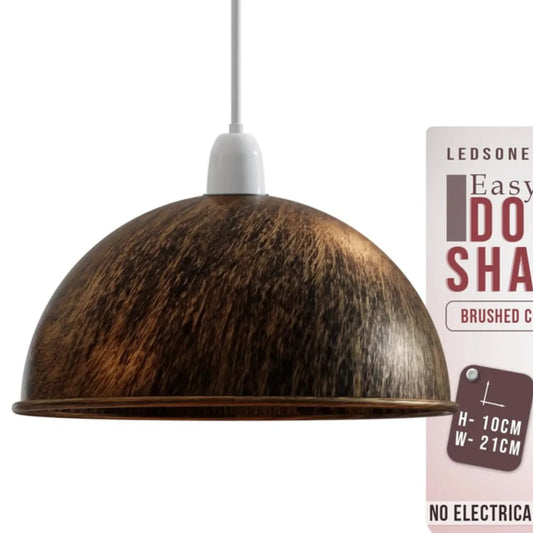
- Lamp Shades: These soften and direct light, preventing glare and adding decorative flair. They come in countless materials, colors, and shapes.
- Lamp Holders: The structural base that holds the bulb and connects it to the wiring. Quality matters here for safety and longevity.
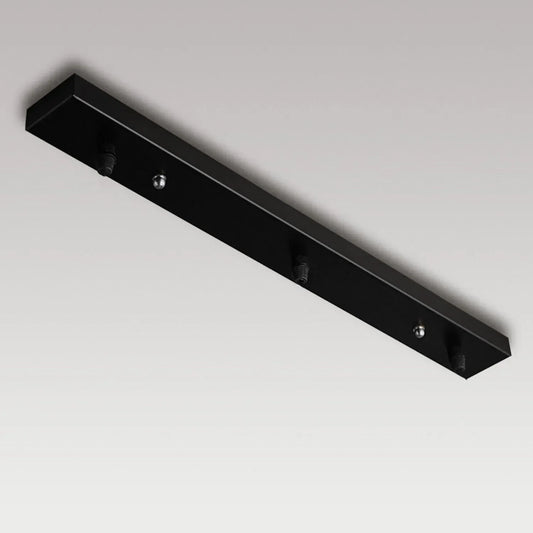
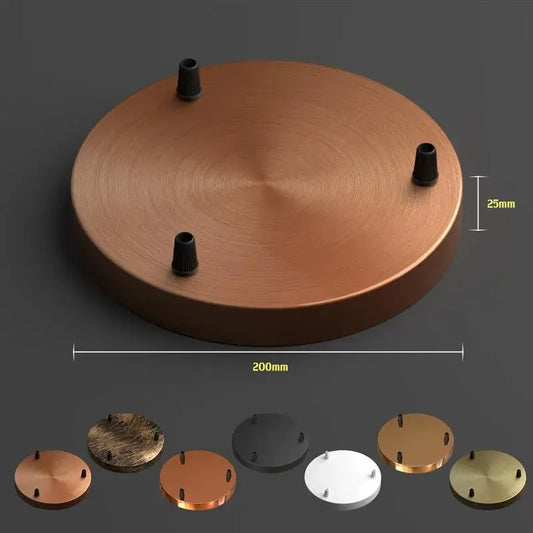
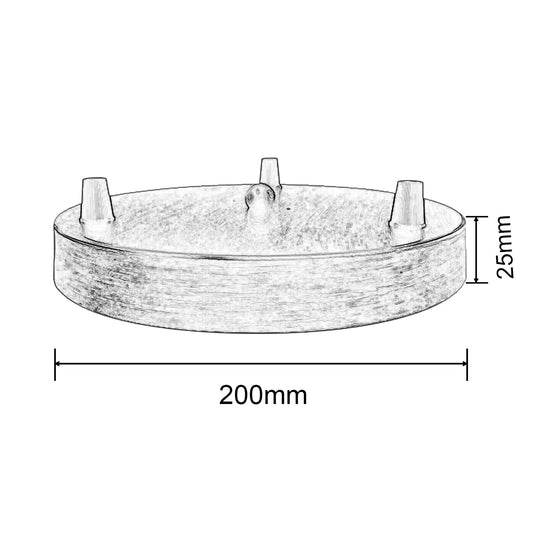
- Ceiling Roses: Decorative covers for the point where a ceiling light fixture meets the ceiling, often hiding wiring and adding a design element.
- Cord Sets & Switches: These allow you to control your lighting, from simple on/off switches to dimmer controls for adjustable ambiance.
Choosing the right accessories means thinking about both how the light looks and how the fixture itself fits into your decor. It’s about creating a cohesive look that’s also practical for everyday use. Don't underestimate the power of these smaller components to tie your whole lighting scheme together.
When you're looking to add some flair, consider how different shades can alter the light. A fabric shade will give a softer, more diffused glow, perfect for a living room. On the other hand, a metal shade, like that industrial-inspired black metal cage lamp shade, will create more defined shadows and a more dramatic effect. It’s all about matching the accessory to the mood you want to create.
Wrapping Up Your Lighting Project

So, we've gone over a bunch of ways to make your home look and feel better with the right lights. It’s not just about flipping a switch, right? Thinking about how light hits different spots, what kind of bulbs you use, and even how bright things are can really change a room. Whether you're trying to make a cozy reading nook or just need better light for cooking, there are options out there. Don't forget that adding smart gadgets or picking energy-saving bulbs can be a good move too. It’s all about making your space work for you and look good while doing it. Take what you’ve learned and start making those little changes – you’ll probably be surprised at the difference it makes.
Frequently Asked Questions
What's the difference between ambient, task, and accent lighting?
Ambient lighting is like the main light in a room, making it generally bright enough to walk around safely and setting the overall mood. Task lighting is more focused, like a desk lamp, used for specific activities like reading or cooking. Accent lighting is used to highlight things you want to show off, like a piece of art or a cool plant, adding drama.
How does lighting affect the feel of a room?
Lighting has a big impact on how a room feels. Soft, warm lights can make a space feel cozy and relaxing, perfect for unwinding. Bright, cooler lights can make a room feel more energetic and alert, good for places where you work or need to focus. Lighting can also make rooms look bigger or smaller, and highlight certain features you love.
Why is good lighting important for everyday tasks?
Having the right lighting is super important for doing things safely and easily. For example, in the kitchen, you need bright light to chop vegetables without cutting yourself. When reading, a good reading lamp prevents eye strain. Proper lighting makes sure you can do all your daily activities comfortably and without problems.
 Google Review