

Pendant Light


3 Light Pendant Kit Multi Outlet 2M Cluster Light ~1055
Regular price
$34.99 USD


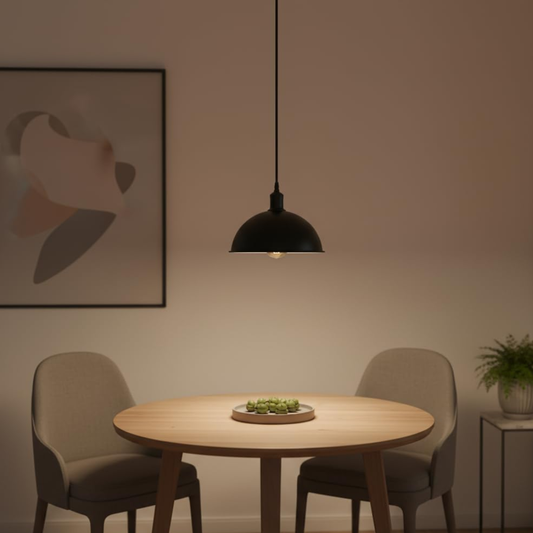
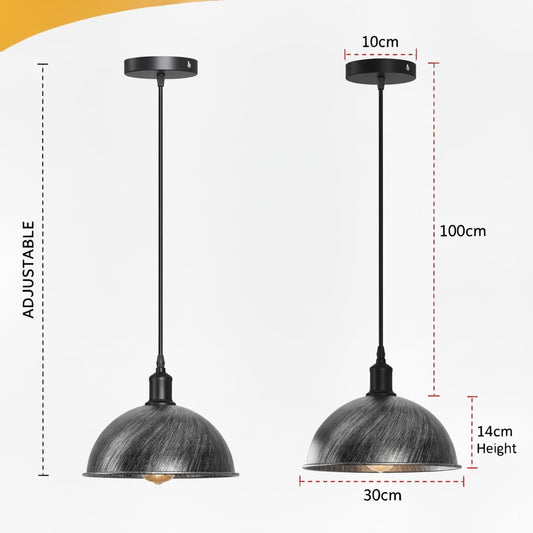
Ceiling Pendant Light Fixture ~1060
Regular price
$34.99 USD


Sold out
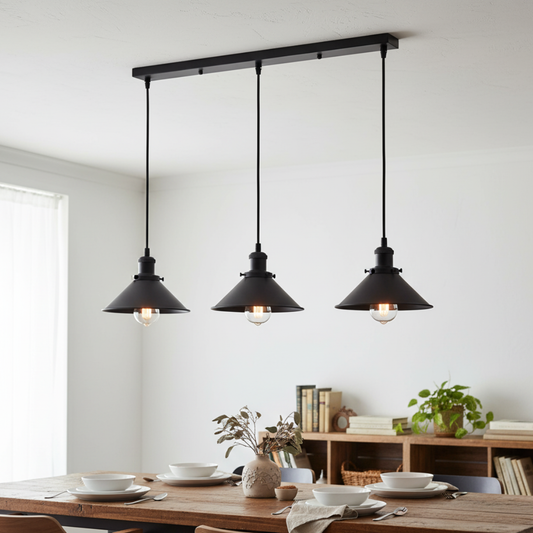
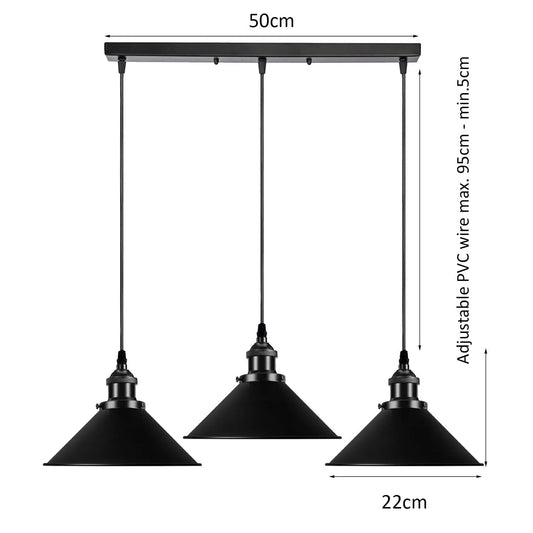
Black Metal Cone Shade Pendant Light Fixture ~1061
Regular price
$45.73 USD


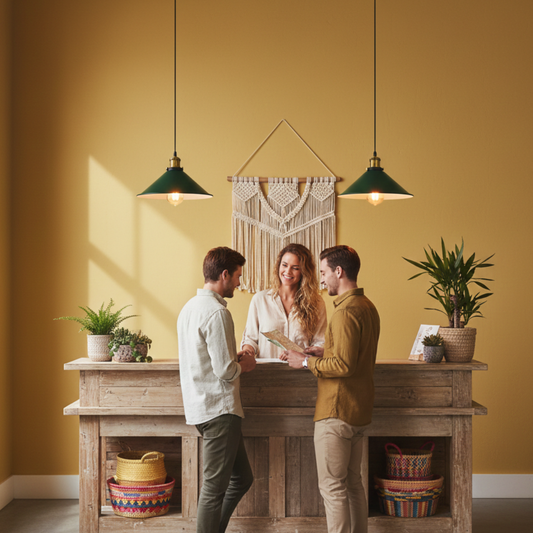


Elevate Your Space with the Perfect Pendant Lamp
Thinking about changing up your home's look? A pendant lamp might be just the thing. These lights aren't just for seeing in the dark; they can totally change how a room feels. Whether you're going for something sleek and modern or cozy and old-fashioned, there's a pendant lamp out there that can make your space feel special. We'll walk through different styles, where to put them, and how to keep them looking good.
Key Takeaways
- Pendant lights come in many styles, like modern, vintage, and industrial, to fit different home decors.
- Choosing the right pendant lamp for each room, like the kitchen or living room, helps create the desired atmosphere and function.
- Pendant lights play a big role in interior design by setting the mood and acting as decorative pieces.
- Installing a pendant light involves safety steps like turning off power and connecting wires correctly.
- Regular cleaning and maintenance will keep your pendant lamp looking great and working well for a long time.
Exploring Different Styles Of Pendant Lights
When you're thinking about lighting, pendant lights really stand out. They're not just about brightness; they're a big part of how a room looks and feels. There are so many kinds out there, each with its own vibe. It’s pretty cool how a single fixture can change everything.


Modern Pendant Lights
These are all about clean lines and simple shapes. Think sleek metal, smooth glass, or even interesting plastics. A modern pendant light often has a minimalist feel, which is great for spaces that are already pretty busy or if you just like that uncluttered look. They don't usually have a lot of fussy details, so they blend in nicely without being boring. They're perfect for that contemporary home aesthetic we see so much of these days. You can find them in all sorts of geometric forms, which adds a bit of an artistic touch. They really work well in open-plan homes, helping to define different areas without using walls.
Vintage Pendant Lights
If you're into history or just love that cozy, nostalgic feel, vintage pendants are the way to go. These lights often look like they came straight out of an old movie set. They might have intricate metalwork, colored glass, or a warm, aged patina. They bring a lot of character to a room, whether your style is more classic or even a bit eclectic. They can really make a space feel lived-in and unique. It’s like bringing a piece of the past into your home. Many of these styles use materials like brass or ceramic, which just adds to that historical charm. You can find some really beautiful examples that add an artistic flair.
Industrial Pendant Lights
For a more rugged, edgy look, industrial pendant lights are a fantastic choice. These often use materials like exposed metal, rough wood, or even concrete. You'll often see exposed bulbs, sometimes the Edison-style ones that have that vintage filament look. They're super popular for lofts, urban apartments, or any place where you want that raw, unfinished vibe. They add a bit of grit and texture to a space. Plus, many of them are adjustable, so you can point the light exactly where you need it, which is pretty handy. They pair really well with other industrial elements like metal furniture or exposed brick. It’s a style that’s both tough and stylish.
Pendant lights are more than just sources of light; they are decorative elements that can significantly influence a room's atmosphere and style. Choosing the right style can tie a whole room together, making it feel more complete and intentional. It’s worth taking the time to explore the different options available to find the perfect fit for your home.
Selecting The Perfect Pendant Light For Each Room
Picking the right pendant light for a specific room really matters. Different rooms have different jobs, and the light should help with that, not get in the way. Let's look at some ideas for different areas of your home.
Pendant Lights For The Kitchen
The kitchen is often where everyone hangs out, right? It's the hub. Pendant lights over an island or a breakfast bar are great for lighting up where you're prepping food. They also just look good, adding to the kitchen's style. Think about lights you can adjust, so you can change how bright they are. And since kitchens can get messy, pick fixtures that are easy to wipe down. A warm finish on the metal can make the space feel more welcoming, encouraging people to stick around for meals. Glass or metal shades are good choices because they bounce light around nicely and look classy while still being practical.
Pendant Lights For The Living Room
Your living room is for chilling out and having people over. Pendant lights can help create cozy spots or be a main attraction over a coffee table. You might want to go for bigger, more decorative pendants here. They can be the star of the show. You can then add softer light from floor or table lamps to get a nice layered look. Also, think about the light bulb color. Warmer bulbs make things feel cozier, which is nice for get-togethers. Cooler bulbs can give a more modern feel. Don't forget to hang them at a height that gives enough light but doesn't make the room feel crowded or block anyone's view.
Pendant Lights For The Bedroom
In the bedroom, pendants can be a stylish alternative to bedside lamps, saving you precious nightstand space. They give off a soft, intimate light that's perfect for winding down. It's a good idea to get dimmable ones so you can adjust the brightness. Need to read? Turn them up a bit. Getting ready for sleep? Dim them down. You can also match them with other decor, like wall sconces or mirrors, to tie the room together. The style of the pendant should also match your personal taste and the overall vibe of your bedroom.
Pendant lights are more than just light sources; they're design elements that can really change how a room feels. They offer a way to add personality and style while also providing necessary illumination. Choosing wisely means considering both function and form for each specific space.
Understanding The Impact Of Pendant Lights On Home Decor
Lighting is more than just about seeing; it's about feeling. The way a room is lit can completely change its mood and how you experience it. Pendant lights are particularly good at this. They aren't just light sources; they're decorative elements that can really shape the look and feel of your home.
The Role Of Lighting In Interior Design
Think about how different lights make you feel. A bright, cool light might make a space feel energetic, while a soft, warm glow can make it feel cozy. Lighting has three main jobs in interior design:
- Ambient Lighting: This is the general light that fills a room, like from ceiling fixtures or natural light. It sets the overall brightness.
- Task Lighting: This is focused light for specific activities, like reading or cooking. Pendant lights often do this job really well.
- Accent Lighting: This is used to draw attention to certain features, like artwork or a cool architectural detail.
Pendant lights are fantastic because they can often combine task and ambient lighting, and they add a decorative touch all on their own. They can make a space feel bigger, highlight important areas, and just generally make things look better.
Why Choose Pendant Lights?
Pendant lights are popular for a lot of good reasons. They're super versatile, meaning you can find them in just about any style, material, and size imaginable. This makes it easy to match them to your existing decor or create a whole new look.
- Focal Point: A well-chosen pendant light can become the star of the show in a room, drawing the eye and adding visual interest.
- Space Saving: Especially over kitchen islands or dining tables, they provide light without taking up floor space like a floor lamp might.
- Customizable Arrangements: You can hang one statement pendant, or group several smaller ones together for a more dramatic effect.
- Energy Efficiency: With LED bulbs, pendant lights can be a very energy-smart choice, saving you money on electricity bills and lasting a long time.
How To Install Pendant Lights
Installing a new pendant light can really change the feel of a room, whether it's a stylish kitchen pendant light over your island or a general ceiling light. It might seem a bit daunting, especially if you're not used to working with electricity, but with a little care and the right steps, you can do it yourself. Safety is the absolute top priority here, so always double-check everything before you start.
Safety Precautions For Installing Pendant Lights
Before you even think about touching wires, the very first thing you need to do is cut the power. Go to your breaker box and flip the switch for the room you're working in. It’s a good idea to put a piece of tape over the breaker to remind yourself (and anyone else) not to turn it back on while you're working. You'll also want to have the right tools ready, like a sturdy ladder, a screwdriver set, wire strippers, and wire nuts. If at any point you feel unsure about the electrical connections, it's always best to call in a professional electrician. It’s better to be safe than sorry, especially when dealing with electricity
Step-By-Step Guide To Pendant Light Installation
Once you've got the power off and your tools ready, here’s a general rundown of how to get that new pendant light up:
- Remove the Old Fixture: Carefully take down your old light. Note how the wires were connected – taking a quick photo can be super helpful.
- Install the Mounting Bracket: Most new pendant lights come with a mounting bracket. Secure this to the electrical box in the ceiling according to the manufacturer's instructions.
- Connect the Wires: This is where you'll connect the wires from your new pendant light to the wires coming from the ceiling box. Typically, you'll connect black to black (hot wire), white to white (neutral wire), and the bare copper or green wire to the ground wire. Use the provided wire nuts to make secure connections.
- Mount the Fixture: Gently tuck the connected wires back into the electrical box. Then, attach the main body of the pendant light to the mounting bracket.
- Install Bulb and Test: Screw in the appropriate light bulb, and then you can carefully restore power at the breaker box. Turn on the switch to test your new light.
Remember that specific installation steps can vary depending on the brand and model of your pendant light. Always refer to the manufacturer's manual for the most accurate instructions for your specific fixture. This is especially true for things like island pendant lights which might have specific spacing requirements.
Getting the height right is also important. For example, pendant lights for the kitchen, especially over an island, usually hang about 30-36 inches above the countertop. A general ceiling pendant light in a living area might hang lower, but you want to make sure there's enough clearance for people to walk under without hitting their heads – usually at least 7 feet from the floor.


Maintaining And Cleaning Your Pendant Lights
Keeping your pendant lights looking their best isn't just about aesthetics; it also helps them function properly and last longer. Dust and grime can dim the light output and, over time, even affect the fixture's components. A little regular attention goes a long way.
Regular Maintenance Tips
Think of this as a quick check-up for your lights. It's not complicated, but it makes a difference.
- Check connections: Periodically, give the fixture a gentle wiggle to make sure it's securely attached. Also, check that the light bulbs are screwed in tightly. Loose connections can be a safety hazard and can cause flickering.
- Inspect for damage: Look for any cracks, chips, or frayed wires. If you find anything concerning, it's best to address it right away, possibly by calling a professional.
- Dust regularly: A simple dusting every few weeks can prevent buildup. Use a soft, dry cloth or a feather duster.
Cleaning Techniques For Different Materials
Different materials need different approaches. You wouldn't clean a delicate glass shade the same way you'd clean a sturdy metal one, right?
- Glass: For most glass shades, a solution of warm water and a tiny bit of mild dish soap works wonders. Use a soft cloth to wipe them down. Rinse with a clean, damp cloth and dry thoroughly to avoid water spots.
- Metal: Metal finishes can vary, so it's good to know what you're dealing with. For brushed or polished metals, a damp cloth is usually enough. For tougher spots or to restore shine, use a metal polish specifically designed for that type of metal (like brass polish for brass). Always follow the polish instructions and wipe away any residue.
- Fabric Shades: These are a bit more delicate. The best approach is often to use a vacuum cleaner with a soft brush attachment to gently remove dust. For any spots or stains, test a mild fabric cleaner on an inconspicuous area first. Blot gently rather than rubbing.
Taking a few minutes every month or so to clean and check your pendant lights will keep them shining bright and looking great. It’s a simple step that really pays off in the long run, making sure your lighting continues to be a beautiful part of your home.
Frequently Asked Questions
What exactly is a pendant light?+
A pendant light is a type of light fixture that hangs down from the ceiling on a cord, chain, or rod. Think of it like a hanging lamp that adds both light and style to a room.
Where is the best place to hang a pendant light?+
Pendant lights work great in many spots! They're popular above kitchen islands, dining tables, and even in living rooms or bedrooms to create a cozy vibe. They're also good for adding light to a reading nook.
How high should I hang a pendant light?+
It depends on where you're hanging it. For places like kitchen islands or dining tables, aim for about 30-36 inches above the surface. This gives you enough light without being in the way.
What are the different styles of pendant lights?+
There are tons of styles! You can find modern ones with clean lines, vintage ones with a classic feel, and industrial ones that look a bit raw and edgy. There are also many others inspired by nature or unique shapes.
Can I install a pendant light myself?+
You can, but safety first! Always turn off the power at the breaker box before you start. If you're not comfortable with wiring or electrical work, it's best to get help from a professional electrician.
How do I clean my pendant lights?+
Cleaning depends on the material. For glass, use mild soap and water. For metal, a damp cloth and polish usually work. For fabric shades, vacuum gently and spot clean. Always check the manufacturer's instructions if you're unsure.
 Google Review
Sign up now & get 10% off
Be the first to get the latest news about trends, promotions, and much more!
Sorry! Products are not enough.
Recipient email can't be blank.
Send on must be within 90 days from now