Creative Home Office Lighting Ideas 2026
So, you're looking to spruce up your home office? It’s more than just a place to get work done; it should be somewhere you actually *want* to be. And a big part of that feeling? The lighting. Seriously, a few well-placed lights can change everything, making it easier to focus, feel more energized, and just generally make the space look way better. Forget that one sad overhead bulb – we're talking about making your workspace shine with some smart office lighting ideas.
Key Takeaways
- Don't rely on just one light. Mix ambient, task, and accent lighting for a balanced feel.
- Use dimmers and adjustable lights to change the mood and brightness as needed.
- Natural light is your friend. Position your desk to use it without getting glare.
- Consider smart lighting for easy control and to help with eye strain.
- Choose fixtures that fit your personal style, whether it's modern, rustic, or something else.
Harnessing Natural Light For Your Workspace

Let's talk about sunlight. It's free, it's good for you, and it can make a huge difference in how you feel while working. Maximizing natural light is one of the smartest home office lighting ideas you can implement. It's not just about sticking your desk by the window, though. It's about being smart with how you use that light so it helps, not hurts.
Optimize Daylight For Productivity
Think of daylight as your primary source of ambient light. It helps regulate your body clock, which can make you feel more alert and focused. When you work with the sun, you're working with your body's natural rhythms. This is a big deal for productivity and just feeling better overall. It's a simple concept, but it's often overlooked when people are thinking about office lighting ideas.
Strategic Desk Placement
Where you put your desk matters a lot when it comes to natural light. The goal is to get light without getting glare.
- Perpendicular is often best: Try placing your desk so the window is to your side. This way, the light hits your workspace without shining directly into your eyes or creating a glare on your computer screen.
- Avoid facing the window directly: This can cause squinting and eye strain.
- Don't put your back to the window: This can create shadows on your work area, making it harder to see.
Control Glare And Heat
Sunlight is great, but too much can be a problem. Harsh, direct sun can be blinding and make your office feel like an oven.
- Window treatments are your friend: Sheer curtains can soften the light, diffusing it so it's not so intense. Adjustable blinds are also fantastic because you can change the angle throughout the day.
- Consider window films: For windows that get a lot of direct sun, a good quality window film can cut down on glare and heat without blocking your view.
- Light wall colors: Painting your walls a light, neutral color helps bounce that natural light around the room, making the whole space feel brighter.
Working with natural light is about balance. You want enough to feel bright and energized, but not so much that it's distracting or uncomfortable. It's a key part of creating the best lighting for home office setups that feel good to be in.
Layering Light For Optimal Functionality
Think of your office lighting like a good outfit – it needs different pieces to work well together. A single overhead light just doesn't cut it for most tasks. We're talking about creating a system with at least three types of light: ambient, task, and accent. This approach makes your workspace more useful and way more pleasant to be in.
Ambient Ceiling Lighting Essentials
This is your base layer, the general glow that fills the room. Good ambient lighting means no dark corners and less of that jarring difference between your bright screen and the dim room. It makes the whole space feel more welcoming and functional, especially if you don't have a ton of natural light. Think recessed lights, a nice flush mount, or even a stylish pendant light. The goal is even, comfortable brightness.
- Use Dimmers: Seriously, get a dimmer. It lets you adjust the light from bright and energizing for morning work to softer and calmer for the afternoon.
- Placement Matters: Try to avoid putting the main light source directly behind you. This can cast shadows on your desk where you least want them.
- Color Choice: For ambient light, a warm white (around 2700K to 3000K) usually feels best. It's inviting without being too dim.
Focused Task Lighting Solutions
Once you have your general light, you need to zero in on where you actually work. This is where task lighting comes in. A good desk lamp, maybe an adjustable one, is key. It should be brighter than your ambient light, usually about three times as bright, to really help you focus on paperwork or detailed work without straining your eyes with high-quality LED bulbs.
Proper task lighting is more than just a bright bulb; it's about directing light precisely where you need it, reducing shadows and eye fatigue. It's a small change that makes a big difference in how long you can comfortably work.
Accent Lighting For Visual Interest
This is the fun part, where you add personality. Accent lighting draws attention to things you want to highlight – maybe a piece of art, a bookshelf, or an interesting architectural feature. Wall sconces or small spotlights can do the trick. It adds depth and stops the room from feeling flat or boring. It’s the finishing touch that makes your workspace feel complete.
Elevate Your Office With Statement Fixtures

Sometimes, your office needs more than just functional lighting. It needs a bit of flair, a piece that says, 'This is a place where great ideas happen.' That's where statement fixtures come in. They're not just about brightness; they're about personality and style.
Pendant Light Clusters For Dramatic Effect
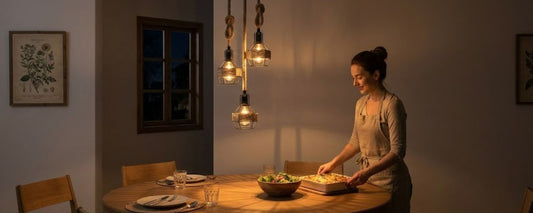
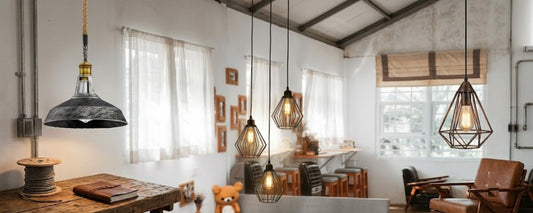
Think of a cluster of pendant lights as a modern chandelier. Instead of one big fixture, you have several smaller ones grouped together. This can create a really dynamic look, especially if they're all different heights or sizes. They're great for drawing the eye upward and can make a large room feel more grounded or a smaller space feel more intentional. You can go with matching globes for a cohesive look or mix and match shapes for something more eclectic. It's a fantastic way to add visual interest without taking up floor space.
Chic Table Lamps For Task And Style
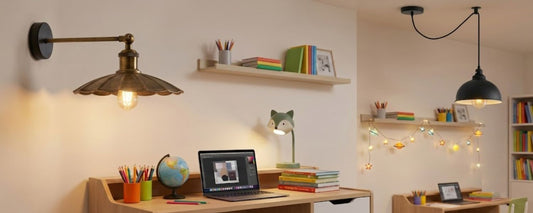
Don't underestimate the power of a good table lamp. Beyond just lighting up your immediate work area, a stylish table lamp can really tie a room together. Look for designs that complement your overall office aesthetic. Maybe it's a sleek, minimalist metal lamp for a modern vibe, or perhaps a ceramic one with a patterned shade for a more traditional feel. Many modern table lamps come with adjustable arms, which is super handy for directing light exactly where you need it, whether you're reading a document or sketching out a new plan. A well-chosen table lamp is both a practical tool and a decorative accent.
Unique Wall Sconces For Space Saving
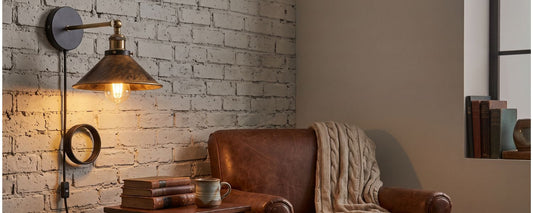
Wall sconces are brilliant for offices, especially if you're short on desk or floor space. They provide light without cluttering your surfaces. You can find them in so many styles, from industrial-inspired metal designs to more ornate, decorative pieces. Placing sconces on either side of a piece of art or a bookshelf can create a lovely layered lighting effect. They're also a great way to add a touch of sophistication without overpowering the room. Consider them for hallways leading into your office too, setting a stylish tone right from the start.
Adaptive Brightness And Color Temperature
This is a game-changer for eye comfort and productivity. Smart bulbs can adjust their brightness and even the color of the light throughout the day. For instance, brighter, cooler light in the morning can help you feel more alert, while warmer, dimmer light in the afternoon can be more relaxing. Some systems can even mimic natural daylight patterns, which is great for your body's natural rhythm. It’s like having a personal lighting assistant.
| Time of Day | Recommended Brightness | Recommended Color Temperature |
|---|---|---|
| Morning | High | Cool White (5000K-6500K) |
| Afternoon | Medium | Neutral White (3500K-4500K) |
| Evening | Low | Warm White (2700K-3000K) |
Reducing Eye Strain With Bias Lighting
Ever feel that eye fatigue after staring at a screen for hours? Bias lighting, often a simple LED strip placed behind your monitor, can make a big difference. It provides a soft, indirect glow that reduces the contrast between your bright screen and the darker room. This subtle addition, especially when integrated into a smart system that adjusts its intensity, helps minimize eye strain and can even improve how you perceive colors on your screen. It's a small step that offers significant comfort, especially for those long work sessions. You might even find yourself using a stylish pendant light in the room to complement this focused lighting solution.
Choosing Fixtures For Every Office Style
Picking the right office lighting fixtures really ties the whole room together, doesn't it? It's not just about brightness; it's about setting a mood and reflecting your personal style. Whether you're going for sleek and modern or something a bit more cozy, there's a light out there for you.
Modern and Minimalist Designs
For a modern and minimalist office, think clean lines and simple forms. Recessed lighting is a great way to get even illumination without any visual clutter. If you want something a bit more decorative but still understated, a semi-flush mount fixture with a simple geometric shape works well. Materials like brushed nickel, chrome, or matte black are common here. You can also find some really cool sculptural ceiling lights that double as art pieces. These kinds of office pendant lighting options often have a low profile and don't overwhelm the space. Finding these modern and contemporary office lighting fixtures is usually pretty straightforward.
Rustic and Farmhouse Charm
If your style leans towards rustic or farmhouse, you'll want fixtures that feel warm and inviting. Think natural materials like wood, rattan, or even antler chandeliers for a statement piece. Lantern-style pendants or fixtures with exposed Edison bulbs can add that perfect touch of vintage charm. For a softer look, milk glass pendants offer a diffused glow. These styles often incorporate darker metals like oil-rubbed bronze or matte black, but warm brass can also work, especially when paired with wood tones.
Frequently Asked Questions
Why is natural light so important for my office?
Natural light from the sun is great for your mood and helps you focus better. It's like giving your body a little boost to stay alert and work well. Plus, it can make your eyes feel less tired, especially when you're looking at a screen for a long time.
What's the best way to position my desk to use window light?
To get the most out of window light without annoying glare, try putting your desk so the window is to your side. This way, the light shines on your work area without directly hitting your computer screen or your eyes.
What is 'layering light' and why do I need it?
Layering light means using different types of lights together. Think of it like having a main light for the whole room (ambient), a bright light for your work (task), and maybe a decorative light (accent). This mix makes your office more useful and comfortable for different tasks and times of day.
How can I make my office lighting more modern and high-tech?
You can use smart lighting systems that let you control lights with your phone or voice. Some lights can even change their brightness and color automatically throughout the day to match your body's natural rhythm, which can help you feel more energized and less tired.
What kind of lights work best for a modern and simple office style?
For a modern look, go for clean lines and simple shapes. Think about sleek pendant lights, minimalist desk lamps with metal finishes, or hidden ceiling lights. The goal is to keep things uncluttered and functional.
How do I choose lights that won't make my eyes hurt after a long day?
To reduce eye strain, make sure you have enough light overall and a focused light for your tasks. Avoid harsh glare on your screen by positioning lights correctly. Some people also find that lights placed behind their monitor (bias lighting) can help ease eye fatigue during long computer sessions.
What is the ideal lighting for an office?
Ideal office lighting is bright, even, and glare-free, with a mix of natural light and cool white LED lighting around 300–500 lux. It should reduce eye strain, improve focus, and avoid harsh shadows or screen reflections.
What is the best way to light up an office?
The best way to light an office is to combine natural daylight with layered LED lighting: bright ambient light, focused task lights, and minimal glare. Aim for even illumination, neutral/cool white light (around 4000K), and keep screens positioned to avoid reflections.
Tags:
Previous
Enhancing Your Home with Wall Sconces
Next
Discover the Diverse Types of Modern Lighting Fixtures for Your Home
Related articles
How to Match a Lamp Shade to Your Lamp Base
Aug 27 2026
DIY Guide: Wiring a New Light Fixture Safely
Aug 19 2026