Fabric Electrical Cable Guide: Colors, Lengths & How to Choose the Right One
Key Takeaways
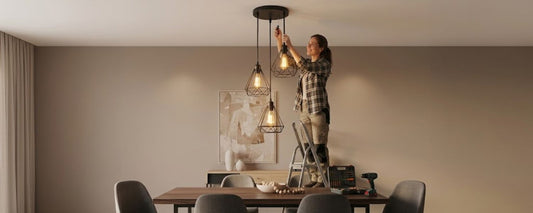
Fabric-covered cords provide a stylish alternative to standard plastic wiring for home lighting projects. This guide covers everything from selecting the right gauge to proper installation techniques.
- Textiles offer both aesthetic versatility and enhanced durability for exposed wiring.
- Understanding the difference between two-core and three-core cables is vital for safety.
- Proper measurement and cutting can prevent issues during installation.
- Checking for safety certifications keeps your home electrical setup reliable.
- Regular dusting preserves the appearance and integrity of textile-covered cords.
Understanding fabric electrical cable
Choosing the right components is the foundation of any successful lighting installation. When you look into fabric electrical cable, you are balancing utility with visual flair to create a finished look that matches your interior design. Homeowners and professionals alike often gravitate toward these materials to upgrade standard fixtures, as they transform functional items into distinct design features.
Benefits of using textile finishes
Textile finishes significantly change the look of a light fixture by adding color, depth, and softness to an otherwise utilitarian object. Unlike standard PVC cords that can appear sterile or harsh, fabrics offer a tactile quality that feels finished and intentional. Ledsone offers a diverse selection of lighting components, ensuring that you can find the perfect match for both vintage and modern aesthetic preferences.
Core components and wiring structure
At its base, this type of wiring is still an electrical conductor protected by internal insulation. The textile layer is purely exterior, applied over the synthetic casing to provide protection and decoration. This structure does not compromise the electrical integrity but requires care during handling to ensure the braid remains intact and clean throughout the assembly process.
Decorative versus industrial-grade wire
There is a notable difference between wires meant for light-duty decorative use and those built for more rigorous industrial environments. Decorative options often feature a wide array of fabric cable colors designed to catch the eye, whereas industrial versions prioritize thickness for added tensile strength. For those focusing on fabric cable for hanging lights, selecting the right type depends on your specific application needs.
Decoding color and texture options
Selecting a design often starts by looking at the vast spectrum of available textures and finishes. Whether you are aiming for a rustic farmhouse look or a sleek, minimalist studio, the right choice contributes to the overall cohesion of your lighting plan. Integrating braided lamp cord options can elevate the visual impact of your pendants, making them feel like custom boutique pieces.
Matching textures to interior design styles
Texture impacts how light plays across the surface of the wire, which can either blend into your wall colors or act as a striking contrast. Coarser, matte-finished braids work exceptionally well in industrial or bohemian spaces, while tighter, smoother weaves complement contemporary designs. Consider the scale of your room and the existing materials before settling on a final cord finish.

Exploring patterns and multicolored cable combinations
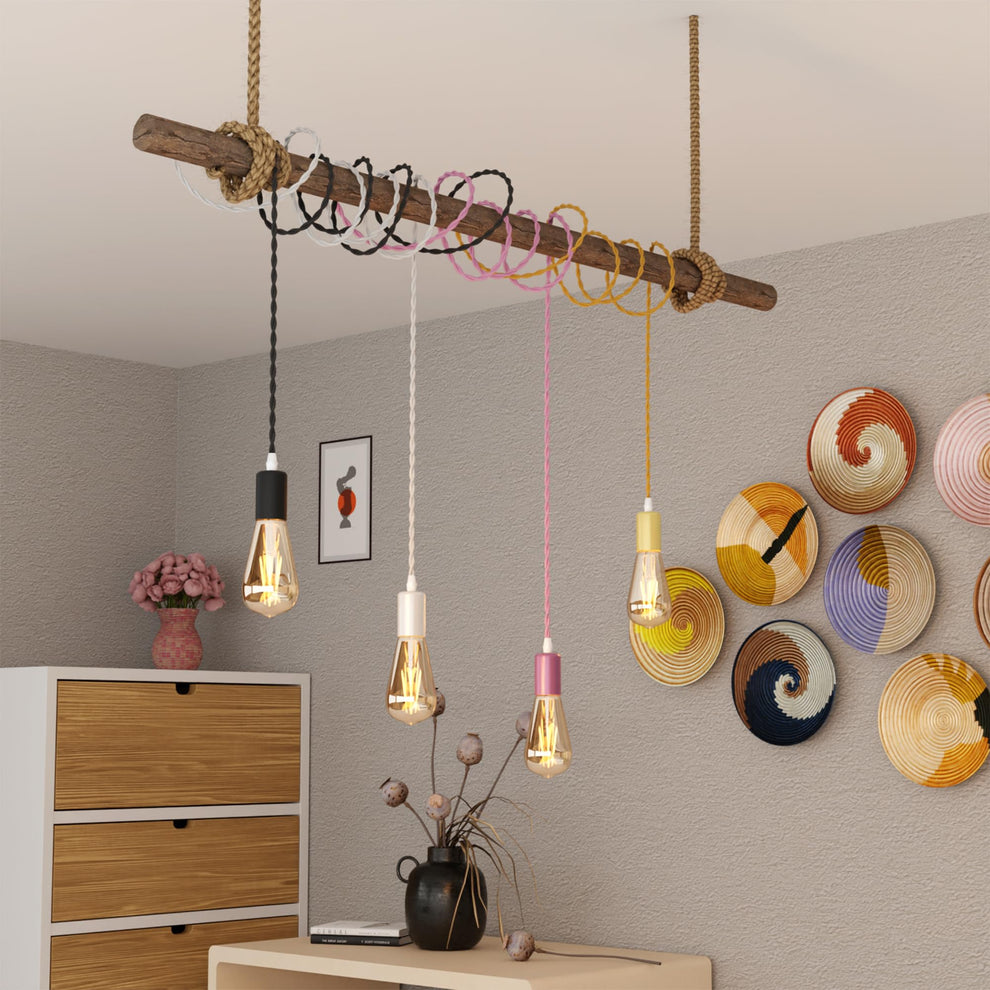
When standard solid colors do not fit your vision, looking into patterned or multicolored options can be a smart move. You might choose a zigzag pattern to add interest or a neutral speckled blend that hides dust over time. Using these unique styles can make each pendant drop a custom centerpiece, turning a simple circuit into a striking visual statement for your home.
Navigating cable lengths and custom sizing
Determining how much material you need is the first step toward a successful installation experience. Whether you are working with fabric electrical cable by the foot or pre-cut lengths, having an accurate plan is essential. Thinking through these requirements early will save you time and potential stress during the installation day.
Standard cut options for DIY lighting projects
Most retailers provide a variety of standard lengths that work well for basic ceiling drops. If you are doing a simple single-pendant setup, a standard length is often more than sufficient and quite economical. These pre-cut options take the guesswork out of the assembly if you are working from a basic kit.
Managing long cable runs for ceiling fixtures
When your ceiling height requires more length than a store-bought kit provides, custom ordering is the best approach. You must calculate the drop length plus enough extra to wire firmly inside the ceiling rose. Keeping the cable managed and tucked neatly ensures a clean look without excess cord hanging below the fixture canopy.
How to accurately measure for pendant lights
Figuring out how long should a pendant light cord be requires measuring the distance from your ceiling mount to the desired height above your table or floor. You should always add ten to twelve inches to your final measurement to accommodate the wiring at both the socket and the terminal box. Precise measuring ensures that your pendant hangs perfectly at the correct height for your needs.
Safety considerations and electrical standards
Ensuring that your lighting setup meets strict safety standards is non-negotiable for any home project. While these cords are decorative, they must still follow the same electrical mandates as any other piece of circuitry. Is fabric cable safe for lighting? Yes, provided the core electrical components are UL-certified and properly rated for the loads you expect to draw through your fixtures.
Understanding wire gauges and amperage ratings
Choosing what gauge fabric cable for pendant light setups depends mainly on the specific bulb and socket type you are using. Generally, an 18-gauge wire is suitable for standard household lighting fixtures, as it handles typical LED pulls without issue. Always consult a professional if you suspect the wattage of your lighting exceeds common household standards.
Selecting the right cable for your lighting project
Choosing the correct cord involves an analysis of your project's specific mechanical and environmental requirements. Whether you are building from scratch or replacing existing wiring, understanding the core structure is necessary. The table below outlines common selection criteria for various lighting applications.
| Feature | Two-Core Cable | Three-Core Cable |
|---|---|---|
| Grounding | Not Included | Yes |
| Usage | Double-insulated fixtures | Metal-housed fixtures |
| Compatibility | Simple lamps | Ceiling pendants |
| Typical Load | Low to Moderate | Moderate to High |
Choosing between two-core and three-core wiring
The fundamental choice between 2 core vs 3 core fabric cable rests on whether your device requires a ground wire for safety. If your lighting fixture features a metal socket or housing, you need a three-core wire to properly ground the chassis. Two-core cable is usually acceptable for plastic or double-insulated assemblies where ground connectivity is not required.


Compatibility with specific light sockets and hardware
Ensure that the cord diameter is compatible with the strain relief hardware on your socket, as not all cables are equal in thickness. Forging a firm seal at the socket is vital to prevent tension on the internal wire connections over time. Check all connector fitments during your assembly phase to be certain everything sits cleanly together.
Assessing environmental suitability for indoor and outdoor use
While stylish indoors, many fabric wires are not intended for environments with significant moisture or temperature changes. Keep these materials confined to dry indoor spaces, as UV exposure and humidity can degrade both the fabric braid and the interior insulation. Only use specialized cables for outdoor projects, and treat all others as indoor-only lighting components.
Maintenance and installation tips
Once your lamp is hanging, keeping it looked after involves simple awareness of how the textile interacts with its environment. Can you cut fabric electrical cable to length on your own? Most can, provided you take specific measures to prevent the braid from fraying, which could compromise the neat appearance you worked to create.
Preventing fabric fraying during the wiring process
There are several effective ways to keep the edges of your cotton-braided cable clean during installation:
- Wrap the cut point with a small piece of clear electrical tape before trimming.
- Use a very sharp pair of shears to ensure an even, clean edge.
- Carefully singe the very end of the fabric braid with a lighter to stop unraveling.
- Apply a tiny dab of clear adhesive to the trimmed end if it remains difficult to manage.
Safely cleaning dust from textured cable surfaces
Maintenance is mostly a matter of light dusting, as fabric surfaces can attract particles over time. A soft, dry microfiber cloth is generally the best tool for the job. Avoid using wet chemical cleaners, as these can stain the textile or leave unwanted residues on the cable surface, potentially dulling the original color.
Troubleshooting cosmetic damage to textile covers
Minor fraying or scuffs are common, but they can usually be corrected with simple grooming. Gently trimming loose fibers with small sewing scissors can keep the cable looking new for years. If a section of the braid does happen to snag, avoid pulling, which could cause a long run in the fabric weave.
Conclusion
Fabric-covered wiring offers a perfect blend of high-end aesthetics and reliable functionality, making it a favorite for modern lighting upgrades. By carefully considering wire gauge, grounding needs, and the specific texture of your chosen cable, you can ensure your pendant lights are both safe and visually stunning, ultimately elevating the overall character of your living space.
Frequently Asked Questions
Do I need to be a professional electrician to install fabric cables?+
While many people install these lights as DIY projects, you should always be comfortable with basic wiring and safety precautions as you would with any electrical installation.
Will the fabric covering catch fire easily?+
High-quality fabric electrical cables are manufactured with flame-retardant materials beneath the fabric layer, making them safe for standard household lighting applications.
Can I paint my fabric electrical cable if I don't like the color?+
It is generally not recommended to paint the cable, as the fabric weave can absorb the paint unevenly and increase the stiffness, potentially reducing the safety and flexibility of the cord.
What should I do if my cable is too long?+
Most fabric cables can be carefully cut to the desired length following manufacturer instructions for finishing the ends, allowing for a custom fit for your specific ceiling height.
Can I use fabric cables for outdoor lighting?+
Most decorative fabric-covered cables are intended for indoor use, as they lack the weatherproofing required for direct exposure to moisture or extreme temperature swings.
What gauge wire is standard for a pendant light?+
For most residential pendant lighting projects, 18-gauge wire is the industry standard and provides sufficient support for common LED or low-wattage bulbs.
How often do I need to replace my fabric cables?+
If the cable is not subject to physical damage or environmental degradation, the wiring can last many years under normal use, provided the insulation remains intact and shows no signs of brittleness.
Tags:
Previous
Kids Study Room Lighting Ideas: A Parent's Guide to Better Focus
Next
Wall Sconce Placement Guide: Height, Spacing & Room-by-Room Rules
Related articles


How to Match a Lamp Shade to Your Lamp Base
Aug 27 2026
DIY Guide: Wiring a New Light Fixture Safely
Aug 19 2026