Modern vs. Vintage vs. Industrial Pendant Lights: How to Pick the Right Style
Key Takeaways
Selecting the right lighting can transform any room by blending practical task illumination with artistic flair. Understanding the different design philosophies helps homeowners make informed choices about their interior spaces.
- Modern lighting focuses on minimalist geometry and clean, functional materials.
- Vintage fixtures bring history and warmth through classic textures and aged metals.
- Industrial styles celebrate raw components like exposed steel, concrete, and filament bulbs.
- Scale and ceiling clearance are critical factors for ensuring safety and visual balance.
- Layering various lighting types creates a more dynamic and inviting residential environment.
Understanding the appeal of pendant lighting
Pendant lighting remains one of the most effective ways to command attention in a room while serving a clear practical purpose. These fixtures draw the eye upward, highlighting specific zones without cluttering the floor space. Whether you are looking for simple task lighting or a bold centerpiece, Ledsone offers a massive variety of styles to suit your project requirements.
Elevating room aesthetics with task lighting
Pendant lights serve as excellent task tools when placed above work surfaces, providing bright and focused illumination for specific activities. By concentrating light where it is needed most, these fixtures make meal preparation or desk work much more efficient. When you choose pendant light styles that direct light downward, you minimize shadows and create a clean look for your kitchen counters or home office stations.
Impact of scale and placement on room flow
The placement of a fixture fundamentally changes how people move through and perceive a room throughout their day. Placing lights too low can obstruct sightlines, while hanging them too high might dilute their aesthetic impact. Proper installation ensures that hanging units contribute to a sense of order and logical movement in high-traffic corridors.
Balancing decorative value with functional illumination
Finding the sweet spot between artful decor and usable light is the real challenge for many homeowners. A fixture should work as a sculptural element even when turned off, making its presence felt as a focal point in the design scheme. Balancing these elements involves selecting shapes that match the mood of the room without overwhelming the existing architecture.
Characteristics of modern pendant lights
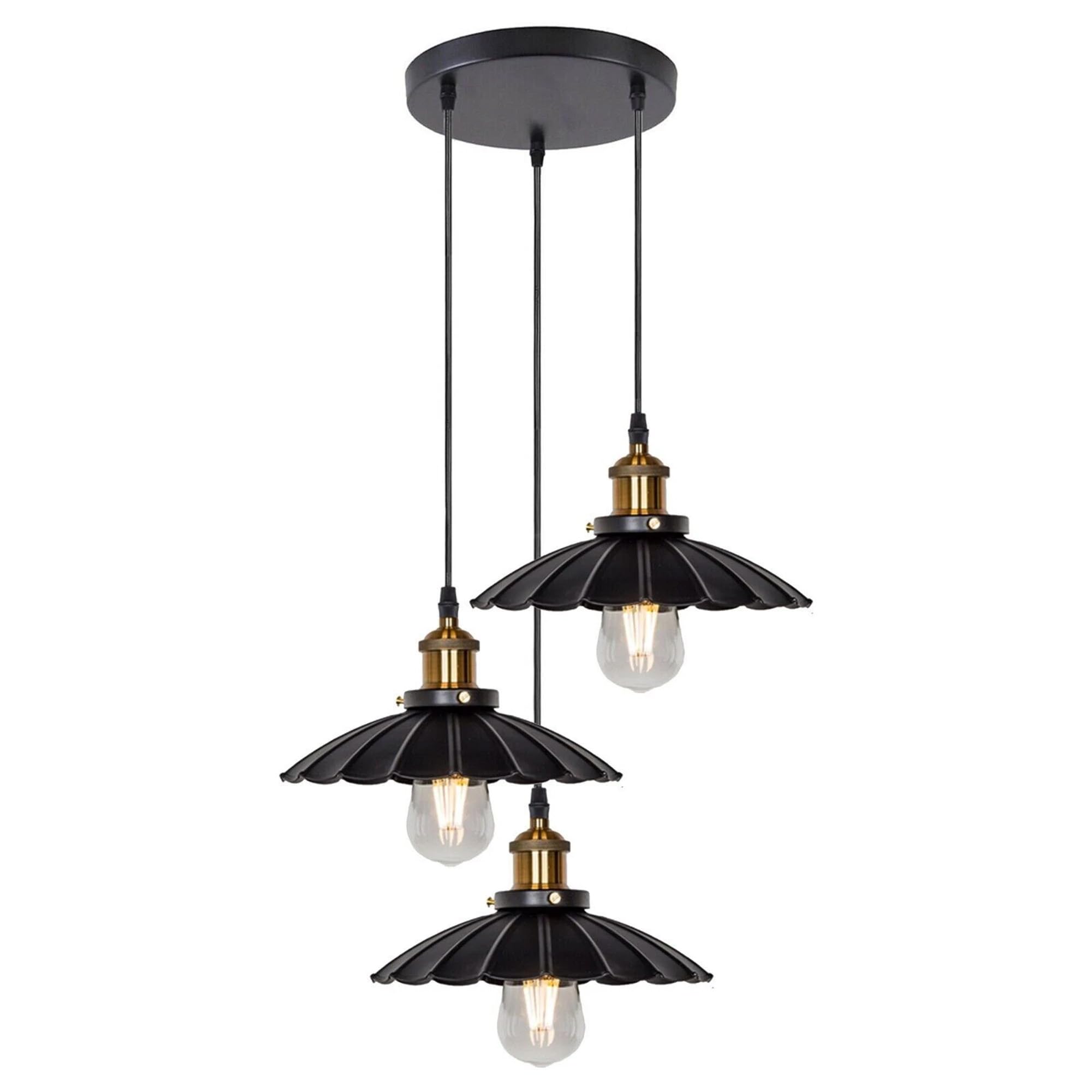
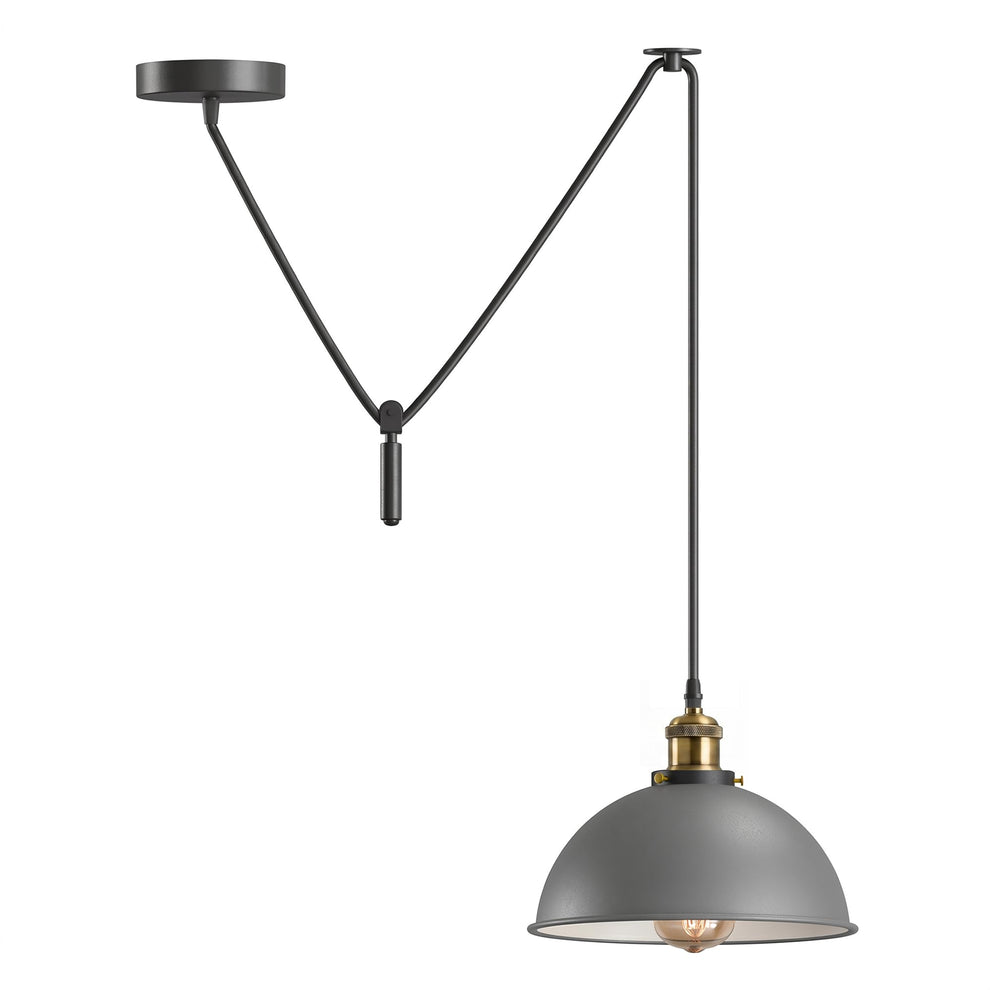
Modern lighting emphasizes simplicity, utilizing clean silhouettes that look intentional and uncluttered. These designs often strip away unnecessary ornamentation to showcase the pure form and finish of the object. Ledsone provides a diverse selection of over 2,000 styles, including highly requested modern LED options that cater to contemporary tastes.
Exploring minimalist forms and clean lines
Minimalism in lighting keeps the focus on geometric clarity rather than complex, busy details. These fixtures often feature spherical or tubular shapes that offer a polished, sophisticated edge. By removing ornamental extras, creators can achieve a profile that feels both timeless and forward-thinking.
Common materials like brushed metal and glass
Contemporary fixtures rely on high-quality materials such as brushed aluminum, stainless steel, and blown glass to create a high-end feel. These surfaces are chosen specifically for their durability and the way they interact with light to brighten a space efficiently. Using these materials allows for a versatile look that fits perfectly in many different types of modern home decor.
Ideal settings for contemporary kitchen islands
Kitchen islands are the natural home for modern pendants due to their linear or modular nature. Grouping multiple small pendants can create a repeating pattern that leads the eye across the expanse of the kitchen workspace. The effect is particularly striking when the fixtures feature modern pendant lights that have slim, unobtrusive cords and simple mountings.


Defining the vintage aesthetic
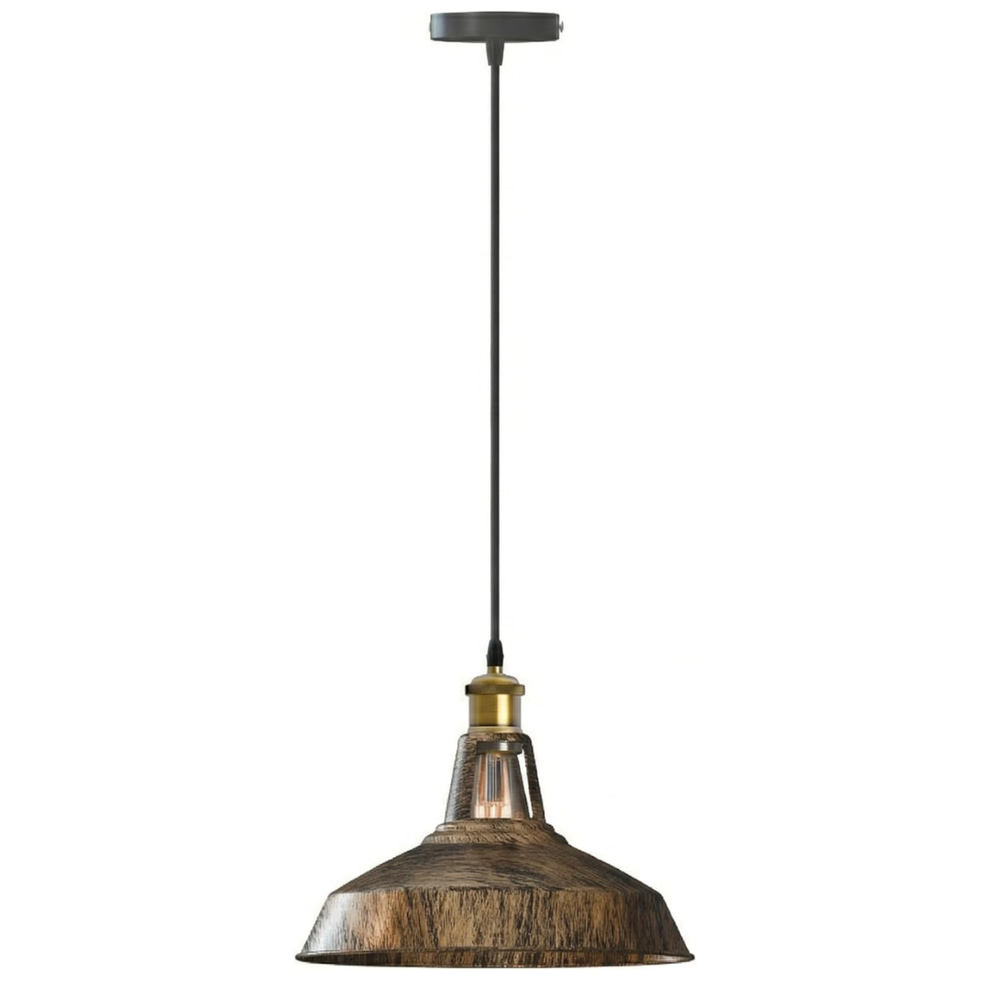
Vintage-inspired lighting adds a touch of character and charm that crisp, modern pieces often lack. These fixtures lean into history, mimicking designs from the early 20th century to evoke a sense of nostalgia. By incorporating these pieces into your home, you introduce a layer of narrative that feels both authentic and collected.
Identifying classic silhouettes and timeless patterns
Classic silhouettes include bell-shaped shades, schoolhouse glass, and traditional metal domes that have stood the test of time. These shapes are reliable design choices because they feel grounded and familiar in almost any setting. Common features that define this style include:
- Classic silhouettes include bell-shaped shades, schoolhouse glass, and traditional metal domes that have stood the test of time. These shapes are reliable design choices because they feel grounded and familiar in almost any setting. Common features that define this style include:
- Detailed metal caps that echo turn-of-the-century craftsmanship.
- Softly curved glass or porcelain shades.
- Decorative chain suspensions instead of simple wire cables.
- Finishes that mimic natural aging processes.
Working with antiqued brass and iron finishes
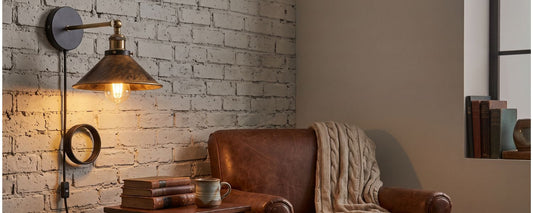
Antiqued finishes add depth by providing a weathered look that suggests many years of use. Brass and iron are the go-to materials for this aesthetic, as they develop an attractive patina over time which prevents the light from looking too shiny or fake. This subdued sheen works well to soften the intensity of the illumination.


Positioning vintage pieces in dining areas
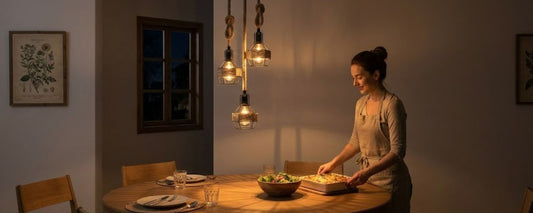
Dining areas benefit greatly from the warm, intimate glow that vintage-style fixtures typically provide. Hanging a large, ornate pendant over a wooden dining table anchors the space and creates a cozy environment for evening meals. The goal is to make the lighting feel like it has been part of the house for generations.
Handling wiring and maintenance for aged fixtures
Authentic aged fixtures might require specialized wiring to meet current safety codes while maintaining their original look. Regular maintenance involves cleaning the delicate metalwork and checking the longevity of the light sources inside. Ensure your electrical work is handled correctly to get the most out of your investment.
The core of industrial style pendants
Industrial lighting draws inspiration from old factories and working warehouses, celebrating the grit and functionality of historic workspaces. The style is unapologetic, favoring exposed components and materials that feel substantial rather than decorative. Incorporating these pieces brings a robust, utilitarian vibe to any residential interior.
Utilizing raw materials like concrete and exposed metal
Raw materials are the foundation of this aesthetic, with concrete, iron, and weathered wood often taking center stage. Using industrial pendant lights means accepting textures that appear unrefined to the naked eye. This design choice highlights the strength of the manufacturing process, making a statement about honesty in home construction.
Best applications for lofts and open-concept spaces
Lofts and open-concept rooms provide the volume needed for larger, heavier-looking fixtures to shine. The expansive ceilings offer ample vertical space, allowing industrial pendants to hang slightly lower without cluttering the living area. This height allows the fixtures to act as boundaries, visually separating the kitchen from the lounge area.
Incorporating Edison bulbs for atmospheric warmth
Edison bulbs provide the distinct golden hue that completes the industrial look, softening the sharp edges of the metal fixtures. These bulbs are essential for maintaining the warm, moody atmosphere that defines the style. By using them with dimmer switches, you get full control over the level of light, shifting from bright task utility to a relaxed evening glow.
Layering and mixing lighting styles
Layering lighting is the process of combining different intensities and types to create a room that transitions well from day to night. Mixing styles might sound bold, but it adds an expert touch that prevents a space from feeling too catalog-perfect. The approach depends on your ability to harmonize disparate elements without losing the room’s unique personality.
Strategies for blending modern and vintage elements
Blending styles is easiest when you have one common denominator, such as color or material. For instance, you could place a vintage metal pendant in a room primarily filled with modern furniture by matching the finish of your light with your cabinet hardware. This tie-in creates a seamless link that makes the combination feel curated and intentional.
Selecting the right pendant finishes and textures
Finishes dictate how a room feels, with glossy, reflective surfaces lifting a space and matte, textured materials grounding it. The finish of your lights should complement the existing hardware in the home for a cohesive aesthetic. Be sure to consider how much daily wear each surface will receive before making your final selection.
Conclusion
Finding the perfect light depends on balancing your personal taste with the inherent characteristics of your interior space. By considering factors like ceiling height, material durability, and the contrast between modern or vintage styles, you can create a home that feels both functional and expressive. Whether you select a bold industrial piece or a clean, modern fixture, your choice in lighting is what truly brings a room together, casting every detail in its best possible light.
Frequently Asked Questions
How high should I hang my pendant lights above a table?+
Ideally, you should aim for about 28 to 34 inches between the tabletop surface and the bottom of the pendant light. This measurement provides enough clearance to allow for conversation while ensuring the light effectively illuminates the center of your workspace.
Can pendant lights work as the only source of light in a room?+
While they provide excellent focused light, pendants rarely offer enough ambient coverage for an entire room on their own. It is best to pair them with recessed lighting, wall sconces, or lamps to avoid leaving dark corners and to make the room feel physically larger.
Are industrial-style lights suitable for traditional homes?+
Yes, industrial pieces can serve as an interesting high-contrast element in traditional spaces. Using a raw metal fixture in an otherwise classic room keeps the design from feeling dated, adding a sense of modern complexity to the environment.
How do I know which finish will best match my current decor?+
Look at your existing hardware for clues, such as your door handles, faucet finishes, and furniture leg materials. Either try to match those metals exactly or select a neutral color like black or brushed nickel that bridges the gap between different existing materials.
Can I install a large pendant in a small entryway?+
Large fixtures can make a dramatic statement in an entryway, but ensure that the width of the piece does not feel overwhelming. Always maintain at least 7 feet of clearance from the floor to the bottom of the light so that the fixture does not obstruct head height or sightlines.
Do the types of bulbs I use matter for the light's final look?+
Bulbs are crucial to the final mood of the room; they influence the color temperature and the quality of the light itself. Edison-style bulbs offer warmth and vintage appeal, while modern LEDs provide bright, clear light that emphasizes clean lines and minimalist designs.
How do I clean and maintain vintage-style shades?+
Regularly dust the shades with a soft, dry cloth to prevent buildup that can dull the aesthetic. For glass or metal shades, a mild soap solution and careful buffing can restore their original luster without damaging the aged patina of the metal frame.
Tags:
Previous
How to Choose the Right Pendant Light Size for Your Kitchen Island
Next
Kids Study Room Lighting Ideas: A Parent's Guide to Better Focus
Related articles
How to Match a Lamp Shade to Your Lamp Base
Aug 27 2026
DIY Guide: Wiring a New Light Fixture Safely
Aug 19 2026